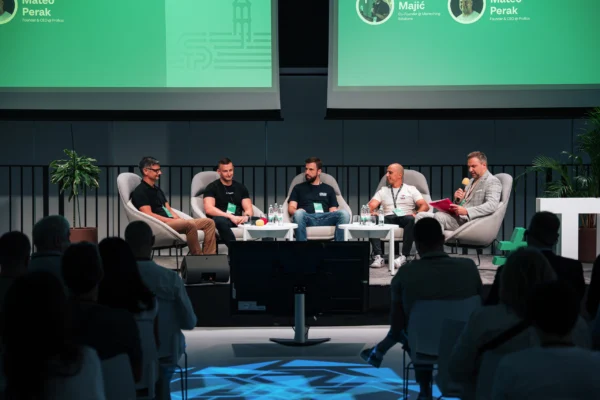
Meet the 4 stages of Innovate Split: TECH FRONTIERS 

AI agents, humanoids and quantum computing: what comes after generative AI?

AI that no longer just answers questions but carries out tasks on its own. Humanoid systems that need protecting from cyber attacks. Companies organised around intelligent agents. Quantum computing slowly making its way out of the lab. Tech Frontiers offers a look at technologies that are just now crossing the line between the future and real business.

Only a few years ago, generative AI looked like a technology of the future. Today it is part of the everyday work of a large number of companies.

That is why the frontier is shifting once again.

AI agents are gaining ever greater autonomy, artificial intelligence is entering industry and the energy sector, new security questions are emerging, and companies are no longer thinking only about how to add AI to their existing business, but about what an organisation built around AI from the outset would look like. 

How is AI changing the companies we know today?

The programme opens with Nikola Kapraljević, CEO of Infinum, and his keynote Fight, Flight, or Evolve: Agencies in the AI Era.

If the same team can do considerably more work with the help of AI, what happens to the business model of a company that has for years been selling precisely human knowledge and time? How are teams, required skills, client expectations and the way value is created changing? 

Next, Ivan Bešlić of Sofascore, Darko Jovišić of Robotiq.ai, Davor Aničić of Velebit AI and Sanja Cancar of paiper.one open up the next frontier – the transition from smarter products towards autonomous business.

But who will protect autonomous AI systems?

The more decisions we hand over to AI, the more important security becomes.

Ante Gojsalić, Senior Director of Engineering & AI Security at Zscaler, will speak about the security of AI agents and humanoids. When autonomous systems gain access to data, machines and physical space, a cyber attack no longer has to end with just a compromised password or database. 

Tech Frontiers then moves from software to one of the largest real costs of any economy – energy.

Piet Jan Bloem, Managing Partner and founder of AIMZ, will speak about the application of artificial intelligence in energy efficiency.

Against the backdrop of the growing energy consumption of data centres, the electrification of transport and pressure on companies to reduce consumption, AI is often seen as part of the problem.

But it can also be part of the solution. Consumption forecasting, intelligent management of buildings and machines, production optimisation and the detection of unnecessary losses are areas where even a few percentage points of greater efficiency in large systems translate into enormous savings.

Tech Frontiers continues with AI in the future of work, digital transformation, data and the real-world implementation of AI systems.

Ivor Rothwell of IBM will raise the question of the AI-first company: how would you design an organisation today if you assumed from day one that part of the work would be done not by people, but by intelligent agents? 

What is real, what is hype, and what comes next?

The programme concludes with quantum computing.

Luka Kaučić, IBM Quantum Ambassador and Qiskit Advocate, in his talk Quantum Computing: What’s real, what’s noise, what’s next, will discuss the real capabilities of a technology around which expectations in recent years have grown almost as large as those once surrounding artificial intelligence.

Tech Frontiers is not a stage about technology that may arrive one day. Much of it is already here. The real question is how ready we are for what comes next. 

You can view the full programme on the conference website.
10 September | Tech Frontiers | Split Technology Park

Meet the 4 stages of Innovate Split: INNOVATION MAINSTAGE

From idea to market: Innovation Mainstage brings together people who turn innovation into serious business

How do you recognise an idea worth investing in? Why do so many AI projects never get beyond the pilot phase? How do you turn a traditional manufacturing company into a data-driven business, and what does it take for a local innovation to find a global market?

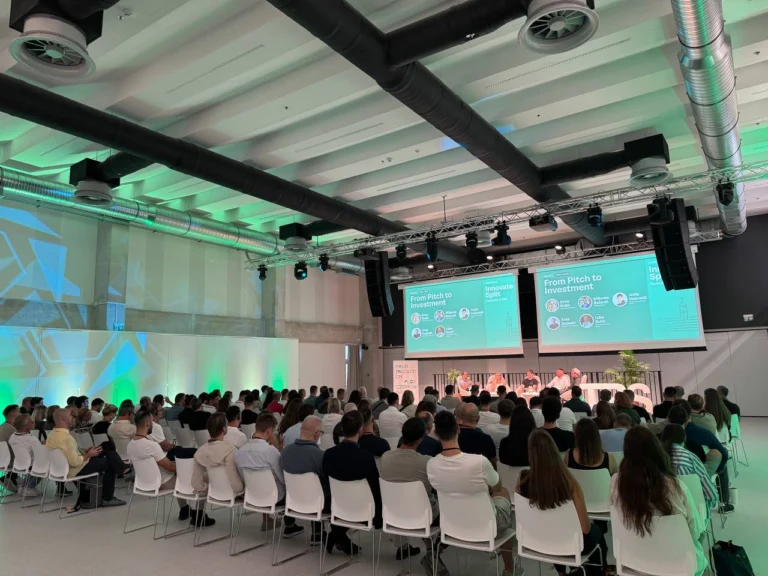
Innovation Mainstage is the central stage of the first day of Innovate Split and the place where entrepreneurship, technology, capital and the real-world application of innovation meet.

The 10 September programme brings together investors, founders of international companies, experts introducing AI into real business processes, representatives of institutions that fund innovation, and people developing technologies capable of transforming entire industries. They all have one thing in common – the focus is not on what an innovation might one day become, but on how to turn it into a market, revenue, investment and real change. 

What do you learn after more than 100 startup investments?

The programme opens with Peter Balogh, CEO and co-founder of STRT Holding and an investor known to the wider public from the Hungarian edition of Shark Tank.

Before his investment career, Balogh co-founded NNG, the company known for its iGO navigation software, which grew into a global business with more than 800 employees and more than 100 million dollars in annual revenue. After stepping away from day-to-day operations, he moved to the other side of the table and has so far backed more than 100 startups.

In his keynote “100 bets later”, he will share the experience of someone who first built his own company and then, more than a hundred times, decided whether it was worth investing his own capital in someone else’s idea. 

From capital and AI to industrial transformation

How to finance innovation is one of the key topics of a panel bringing together representatives of HBOR, HAMAG-BICRO and the EIB Group, while Hamdija Jusufagić, CEO and co-founder of CodeScene, will raise the question of why so many enterprise AI projects never make the journey from an interesting pilot to real business use. 

Marsel Čuljak, founder and CEO of Engasco, will show that innovation is not reserved for software, with the story of transforming a manufacturing company towards a model in which data, software and continuous learning become as important as the physical product. 

And what happens when innovation completely changes the way we solve an existing problem?

Herbert Weirather, founder and CTO of Jedsy, will present the story of autonomous drones for healthcare logistics that are already transporting laboratory samples, medicines and other medical consignments. 

The panel “Digital Infrastructure as the Foundation for Innovation” brings to the stage Zvonimir Mavretić of ASEE and Ivan Šimičević of OTP banka, moderated by Dragan Petric, executive editor of Bug.

The programme also addresses new business models and global scaling, and concludes with a conversation about the city as a space for applying innovation – from data and digital services to new urban services.

From investment decisions to AI, from the factory floor to medical drones and the city – Innovation Mainstage shows what happens when a good idea has to prove that it really works.

You can view the full programme on the conference website.

10 September | Innovation Mainstage | Split Technology Park

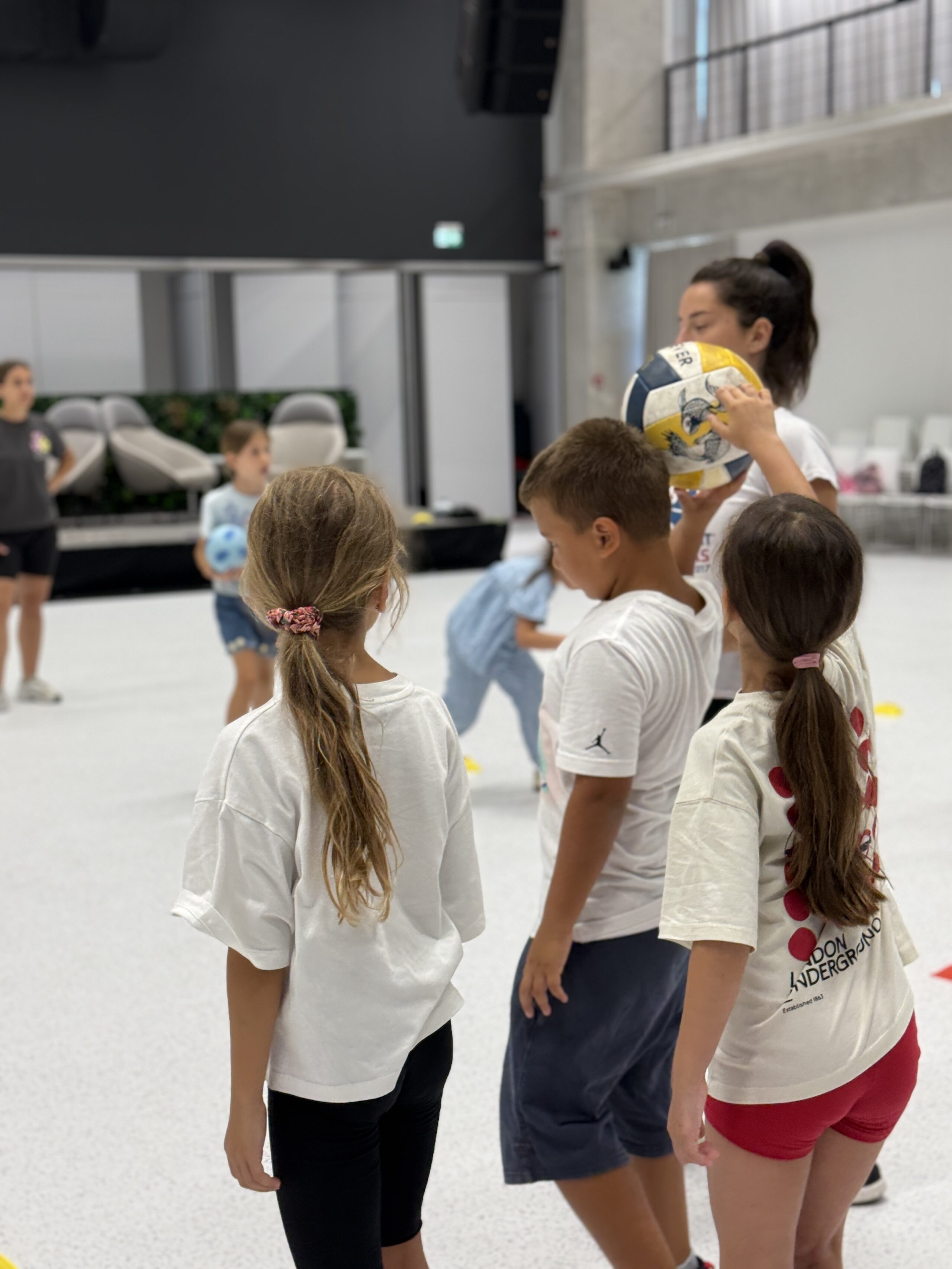
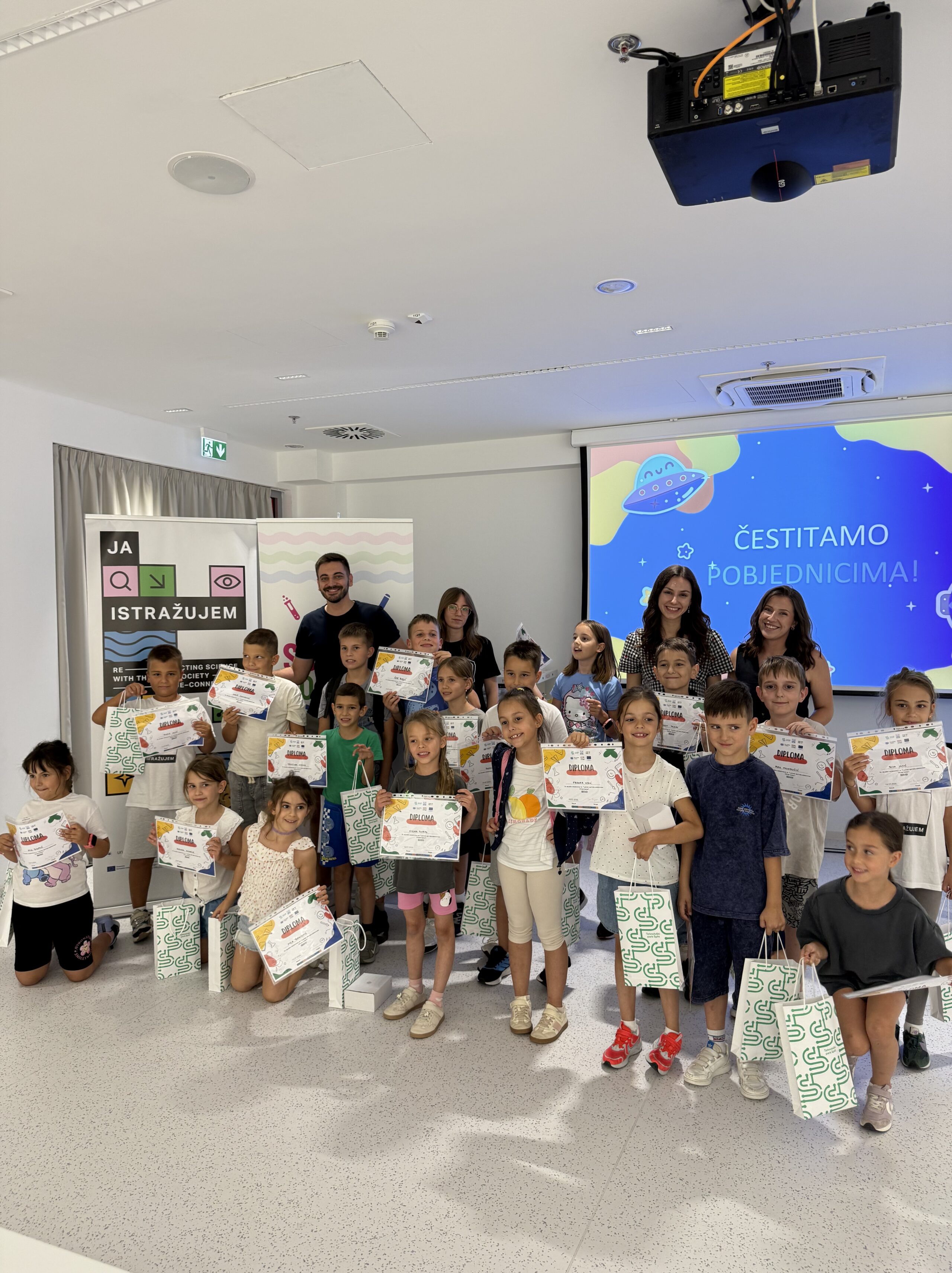
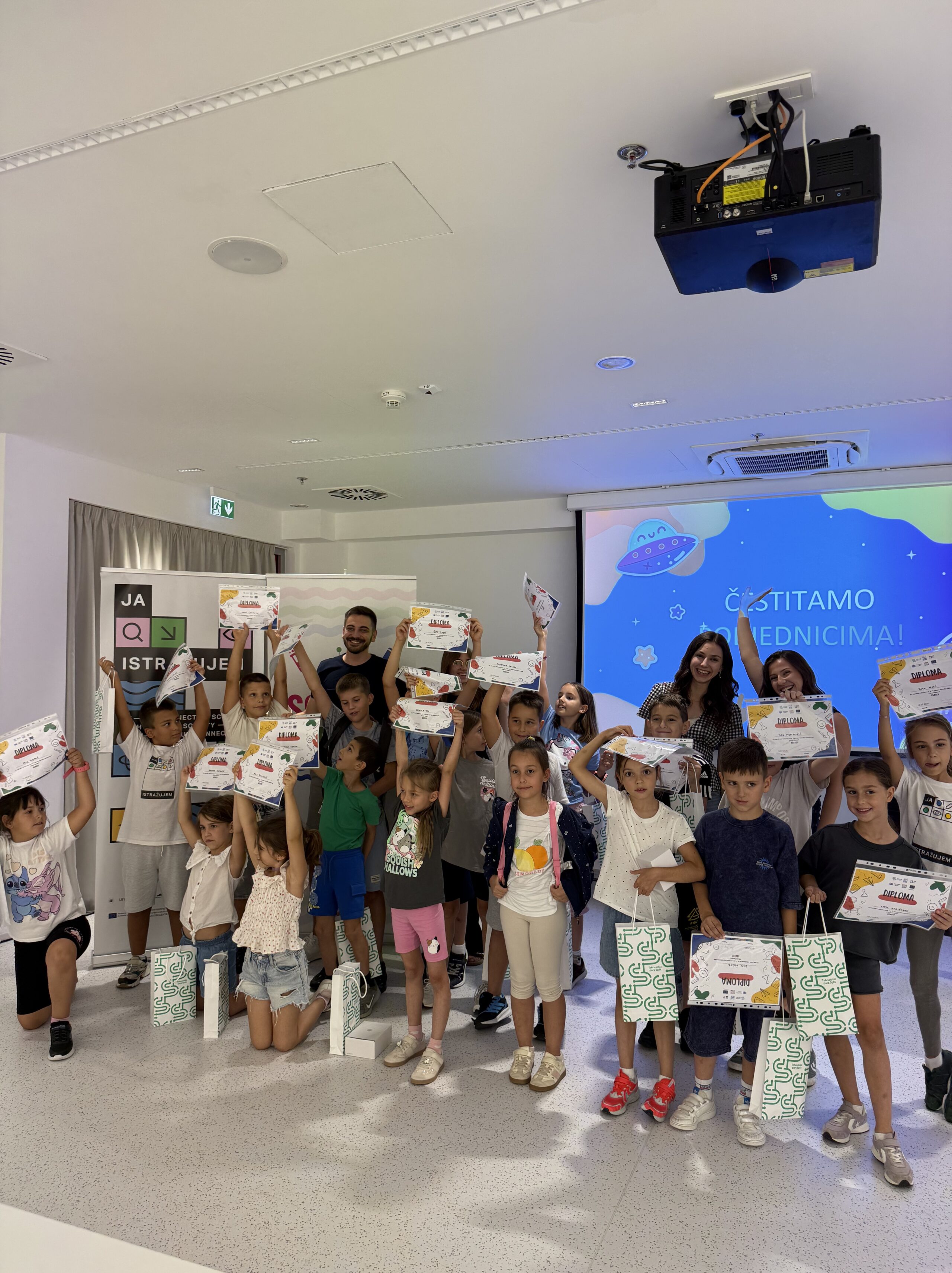
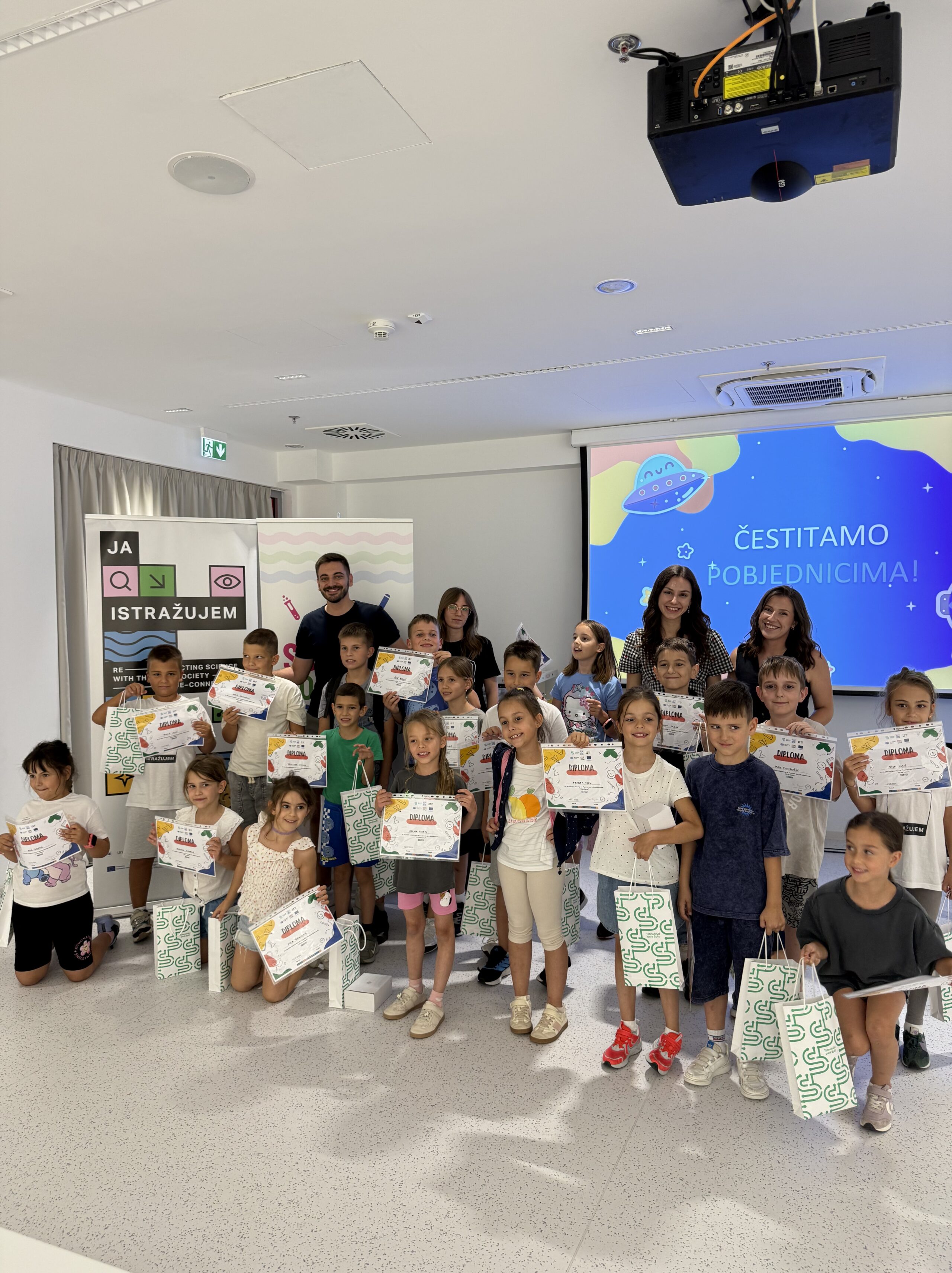
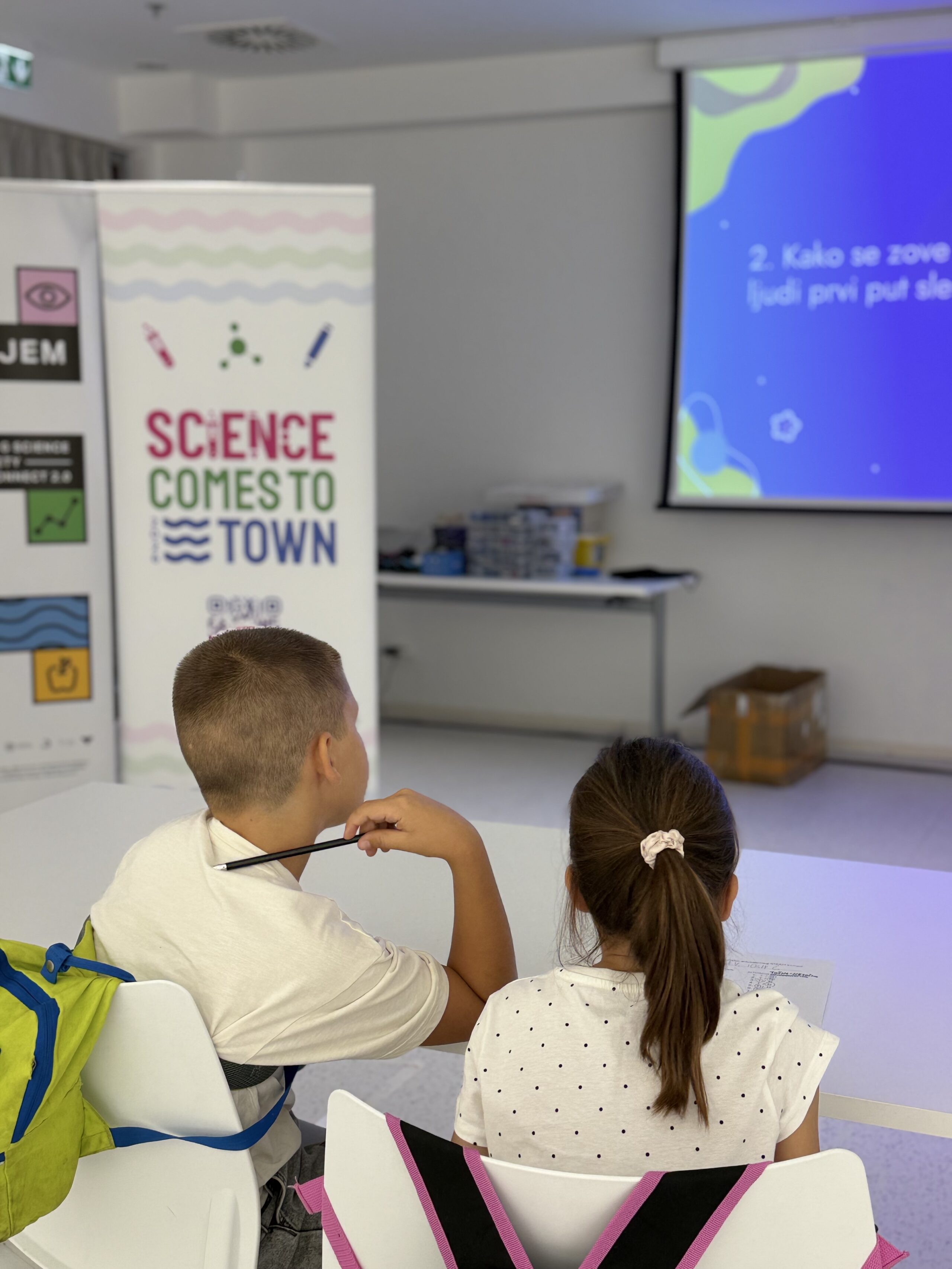
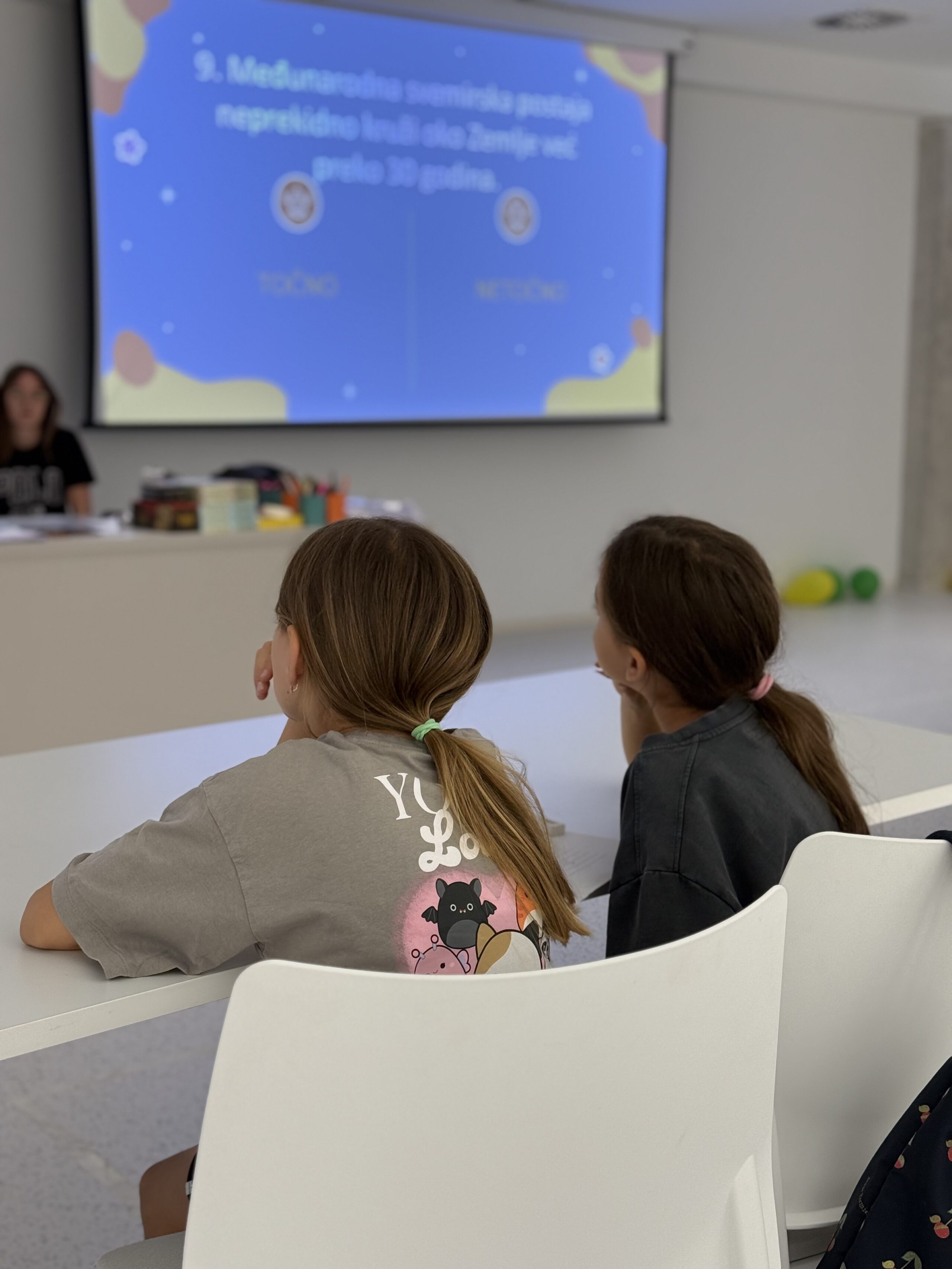
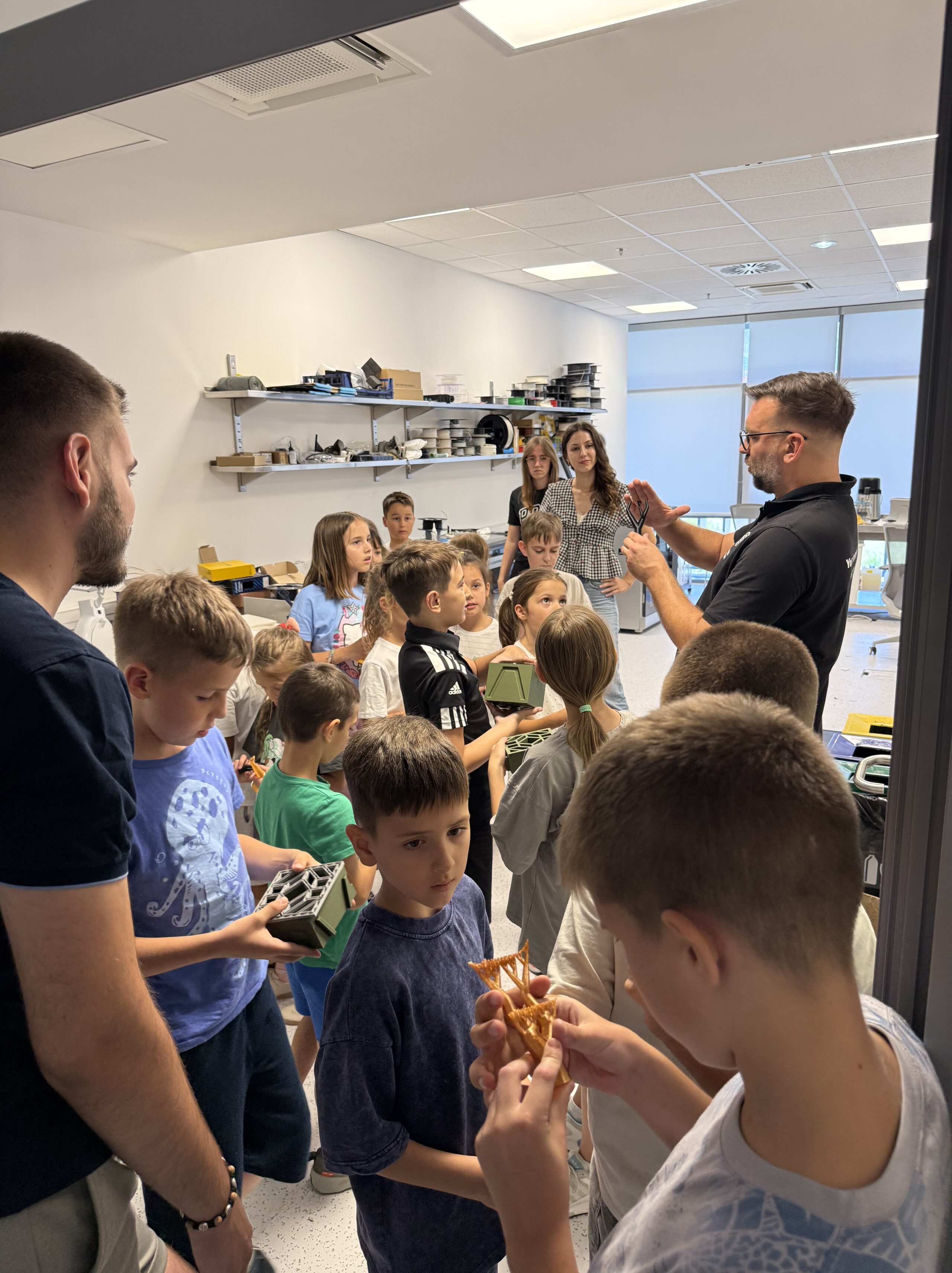
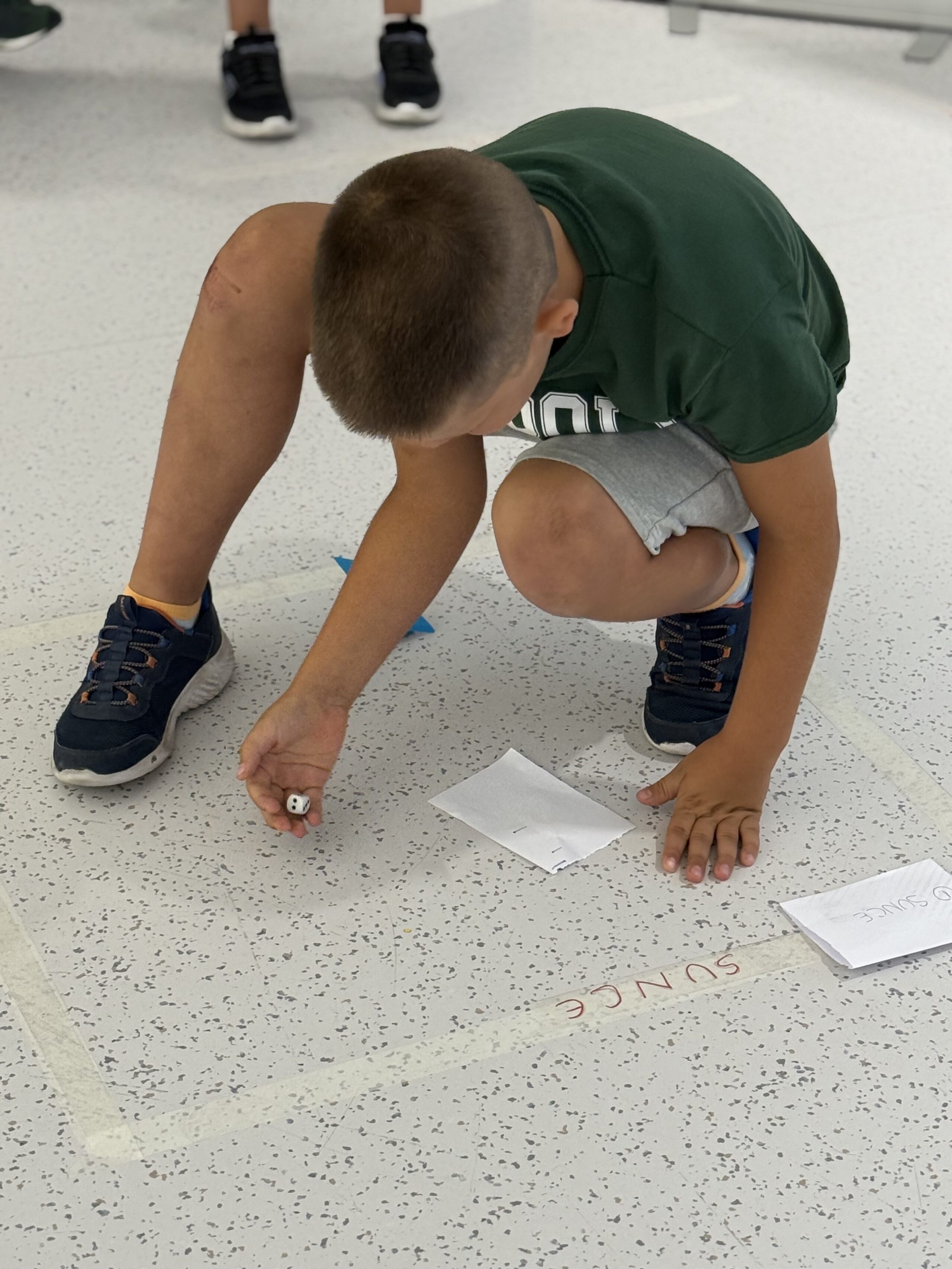
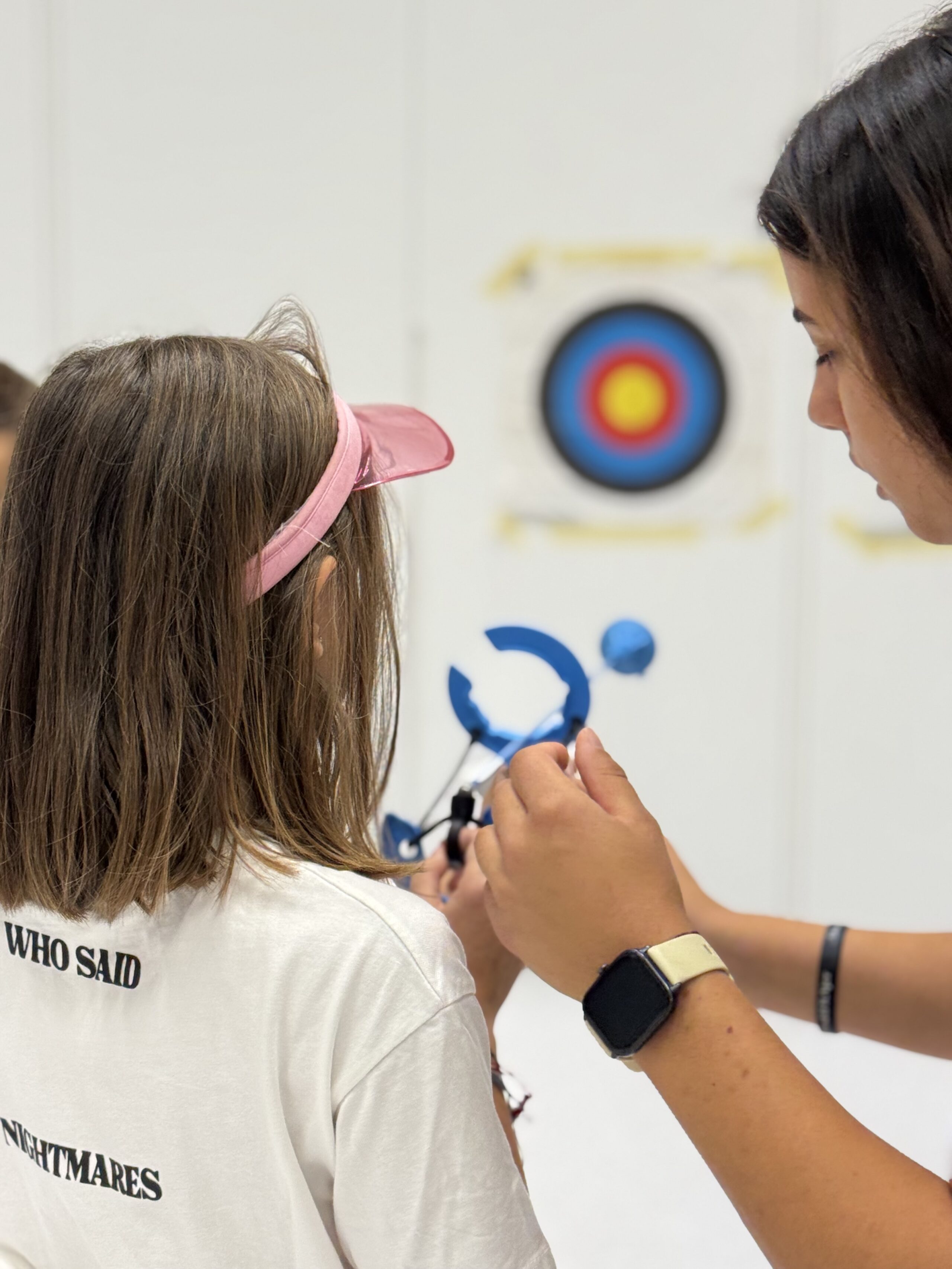
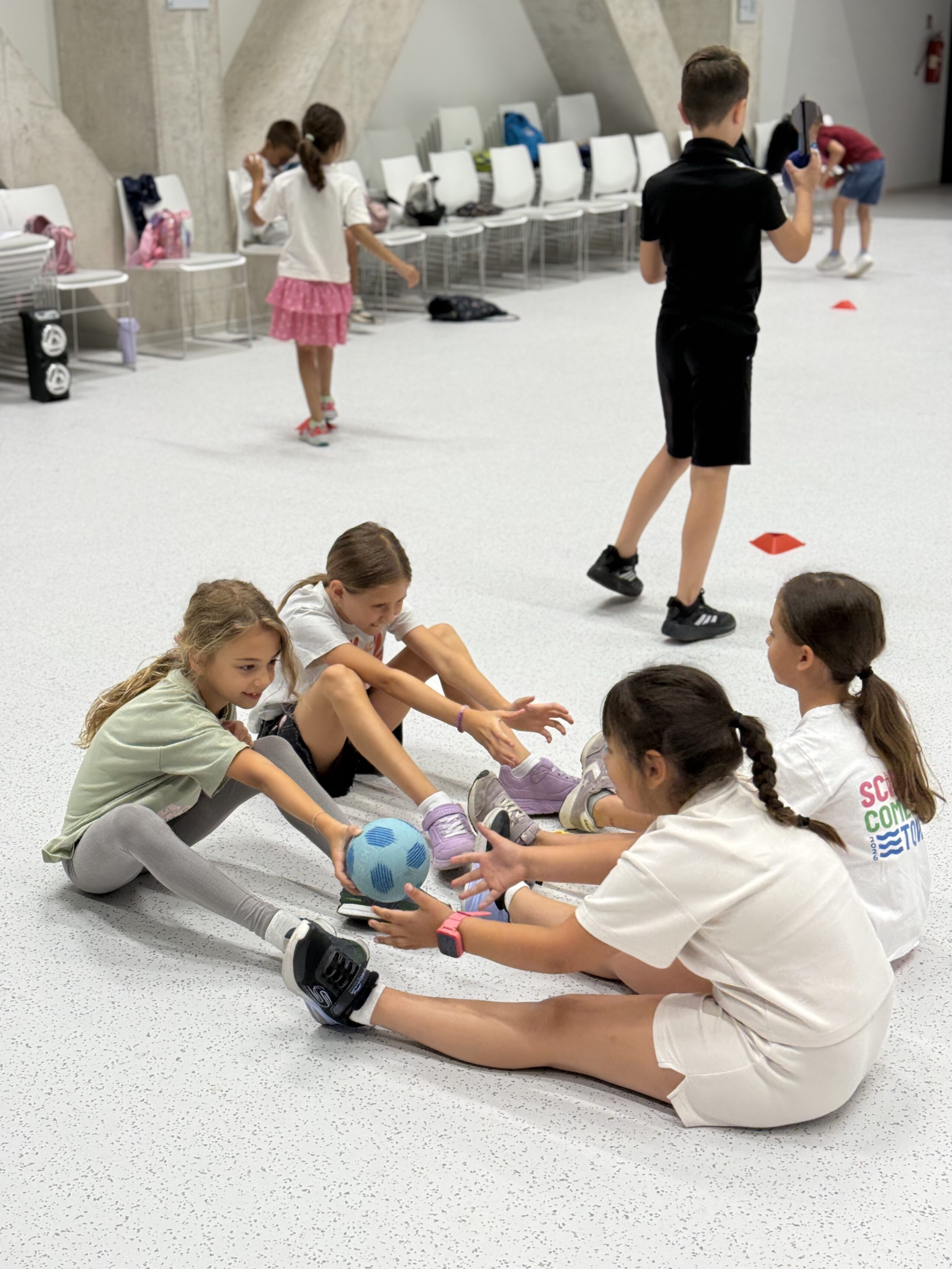
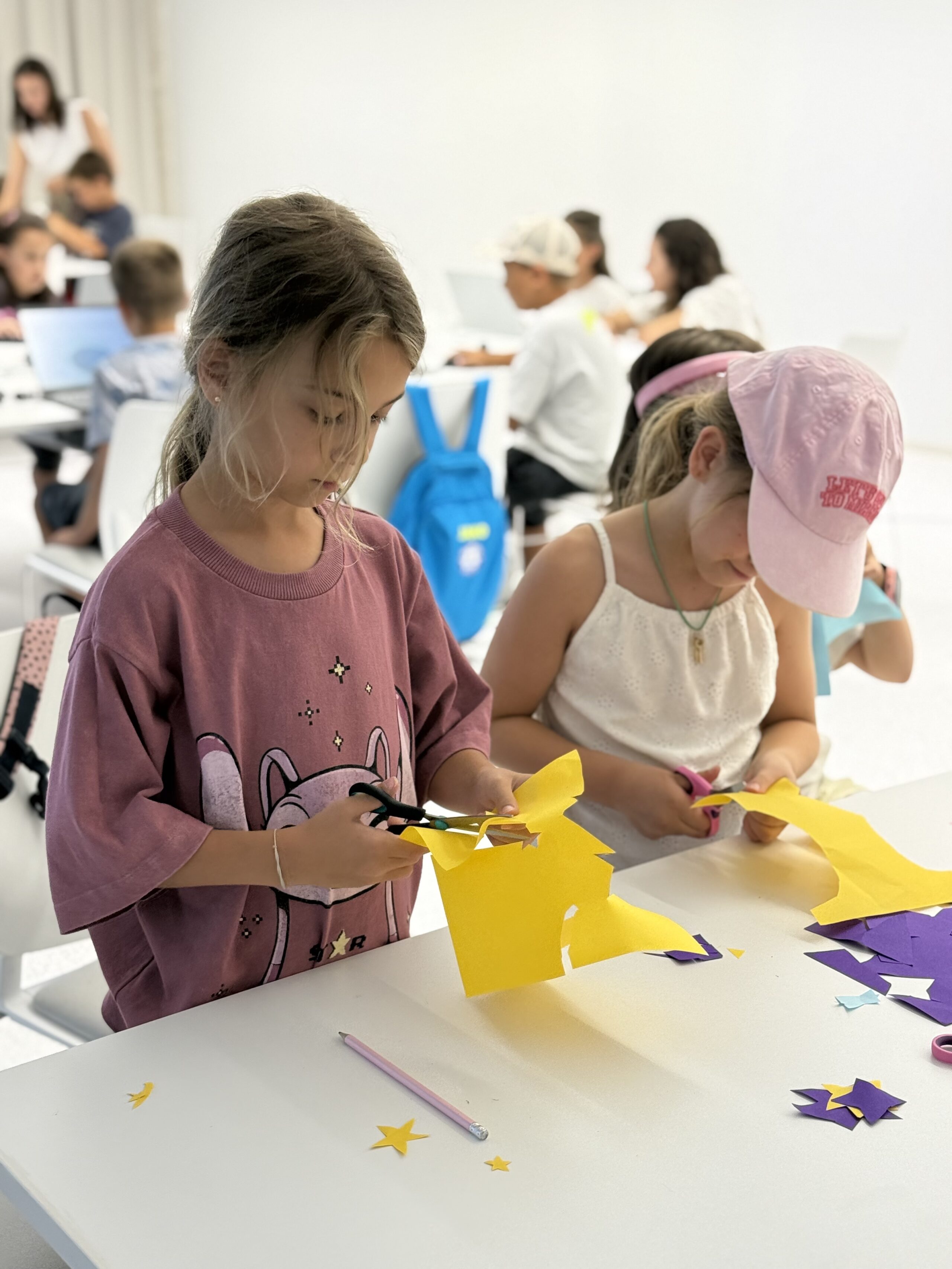
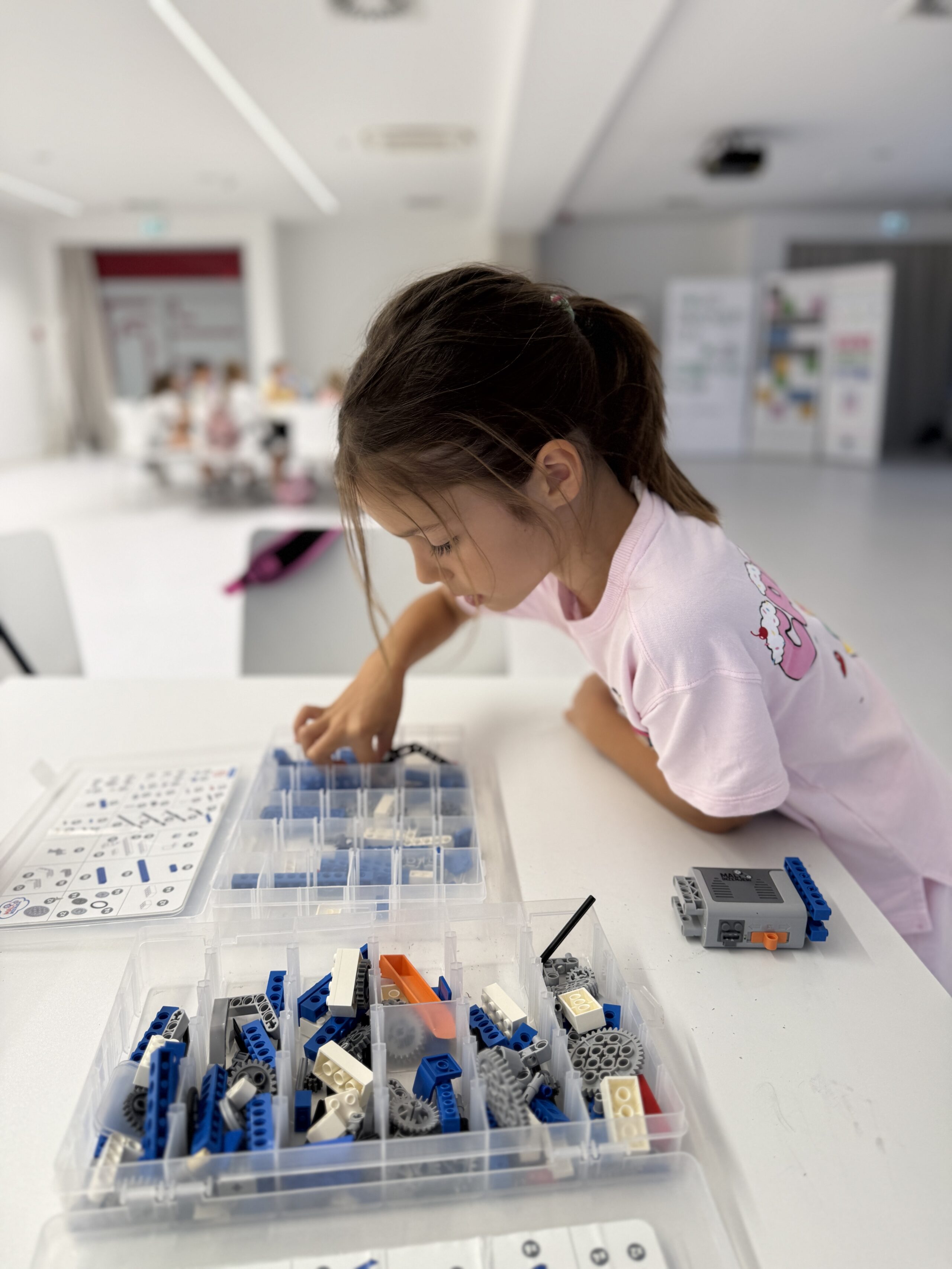
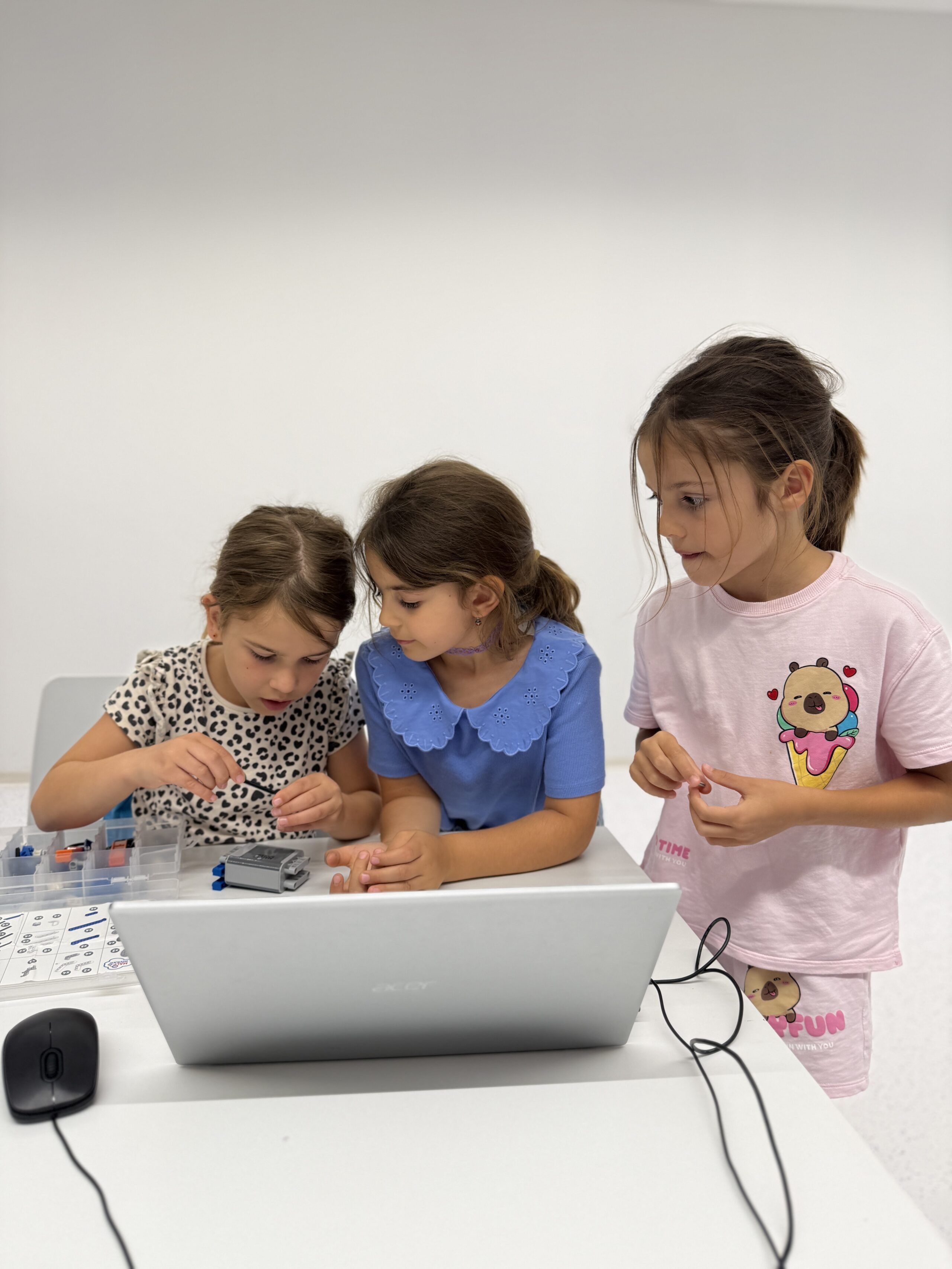
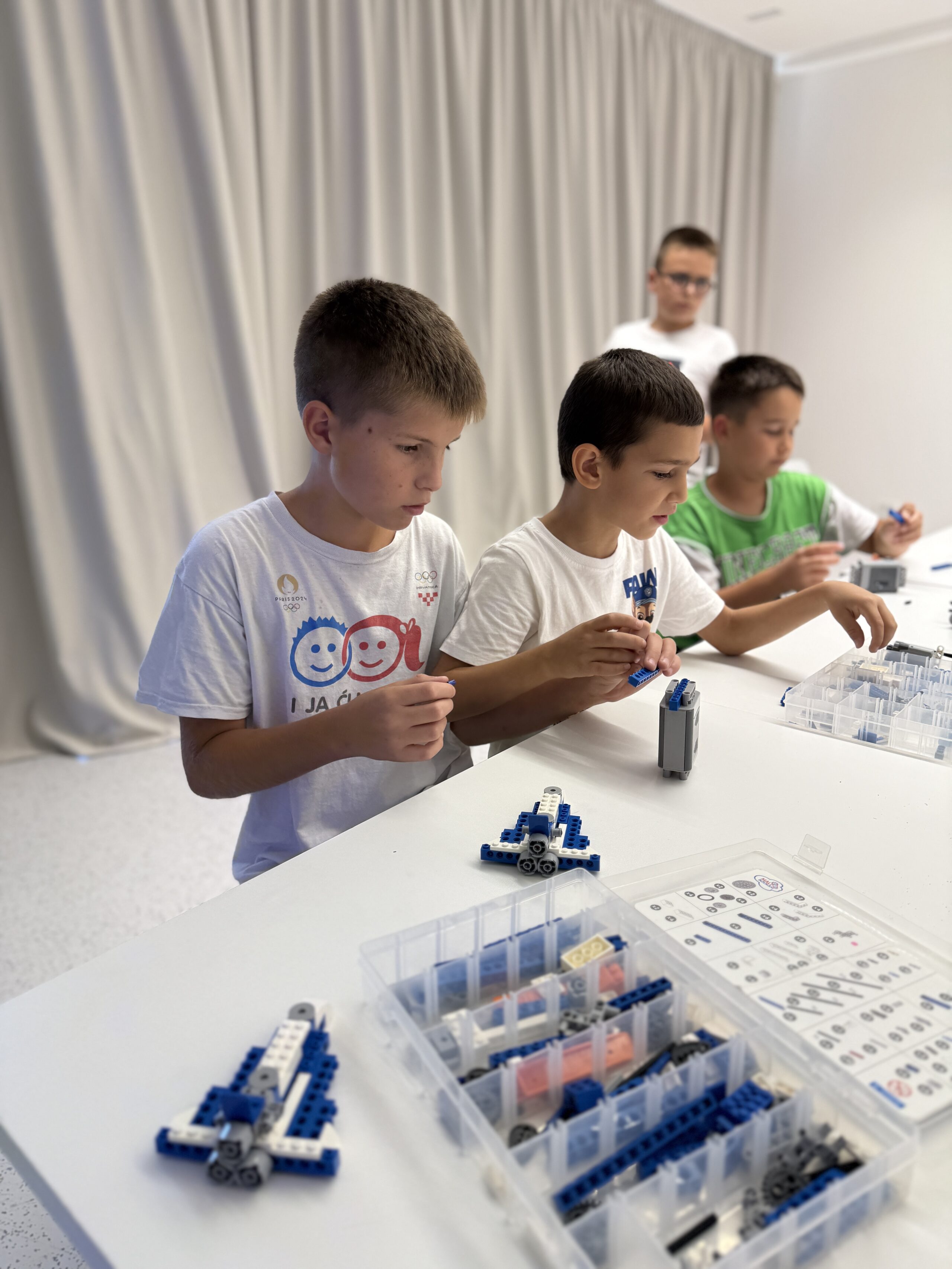
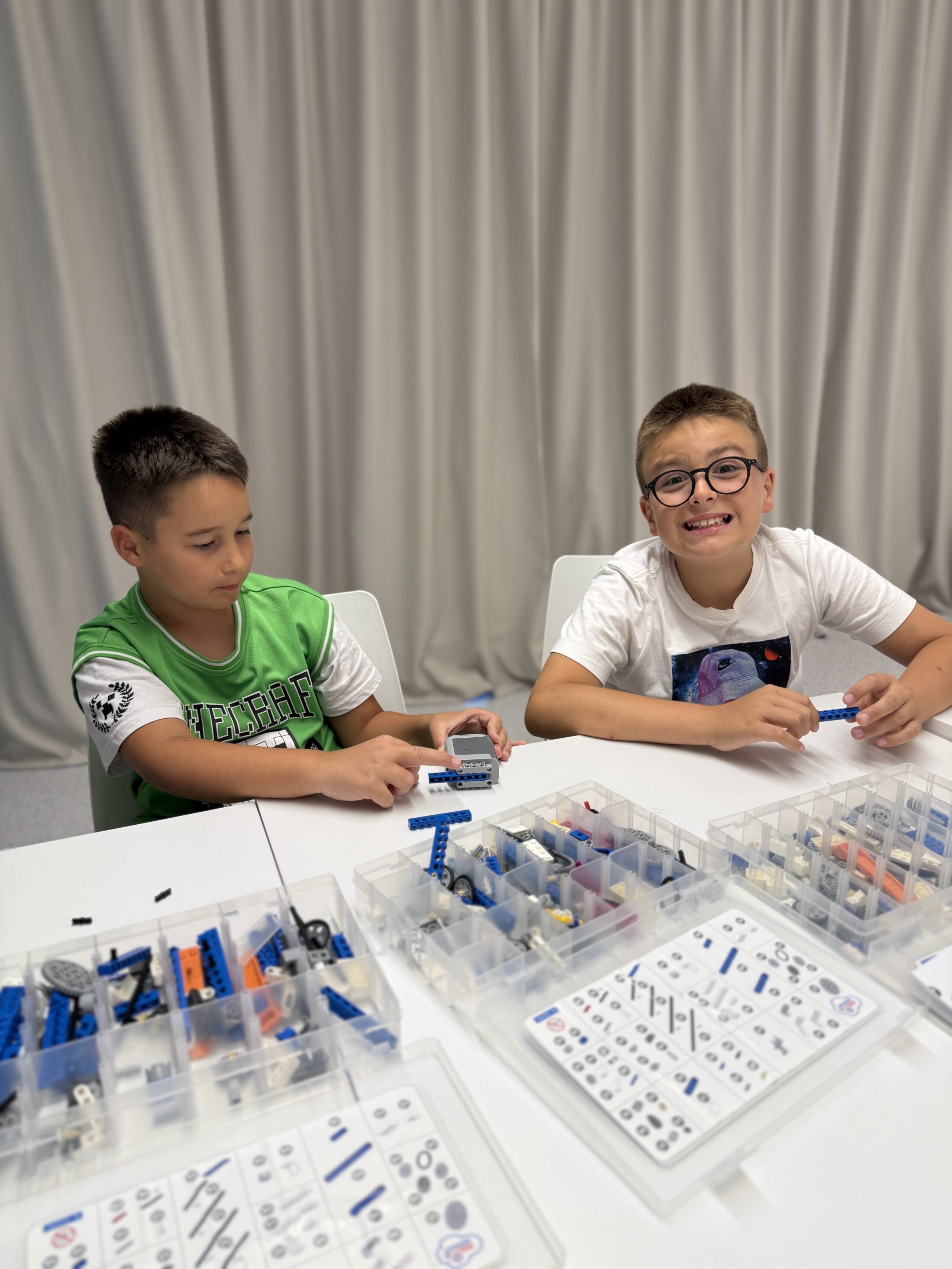
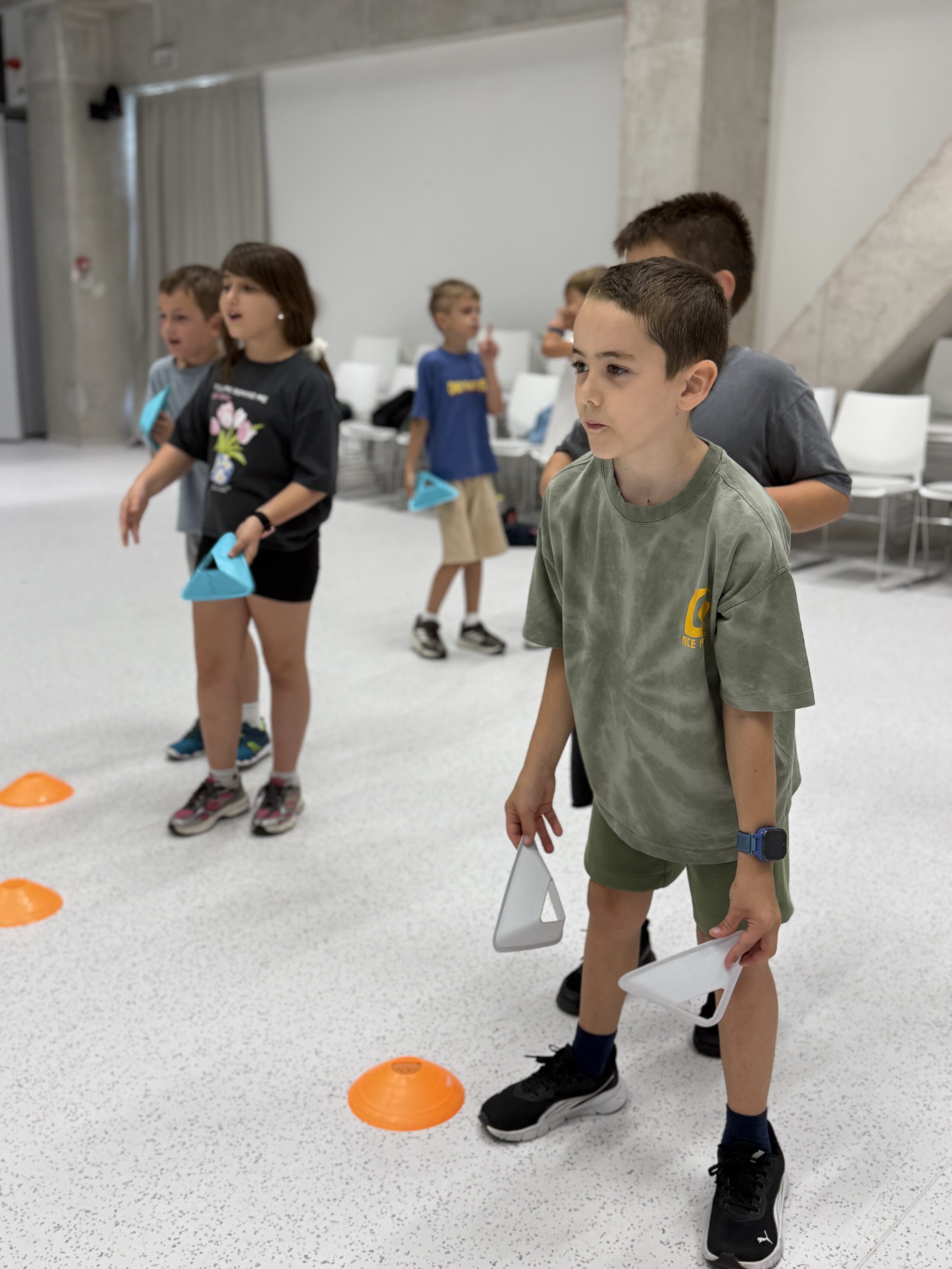
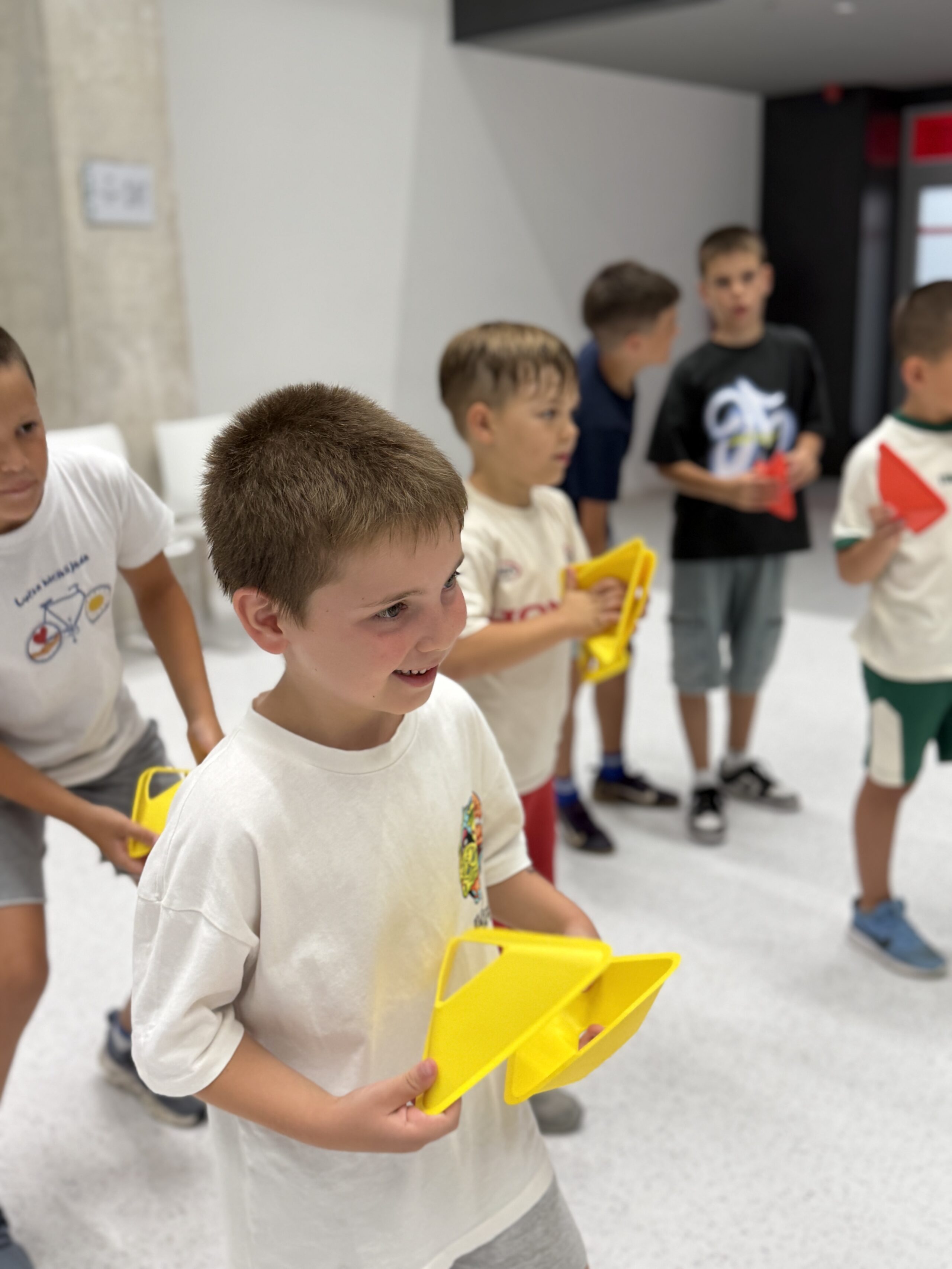
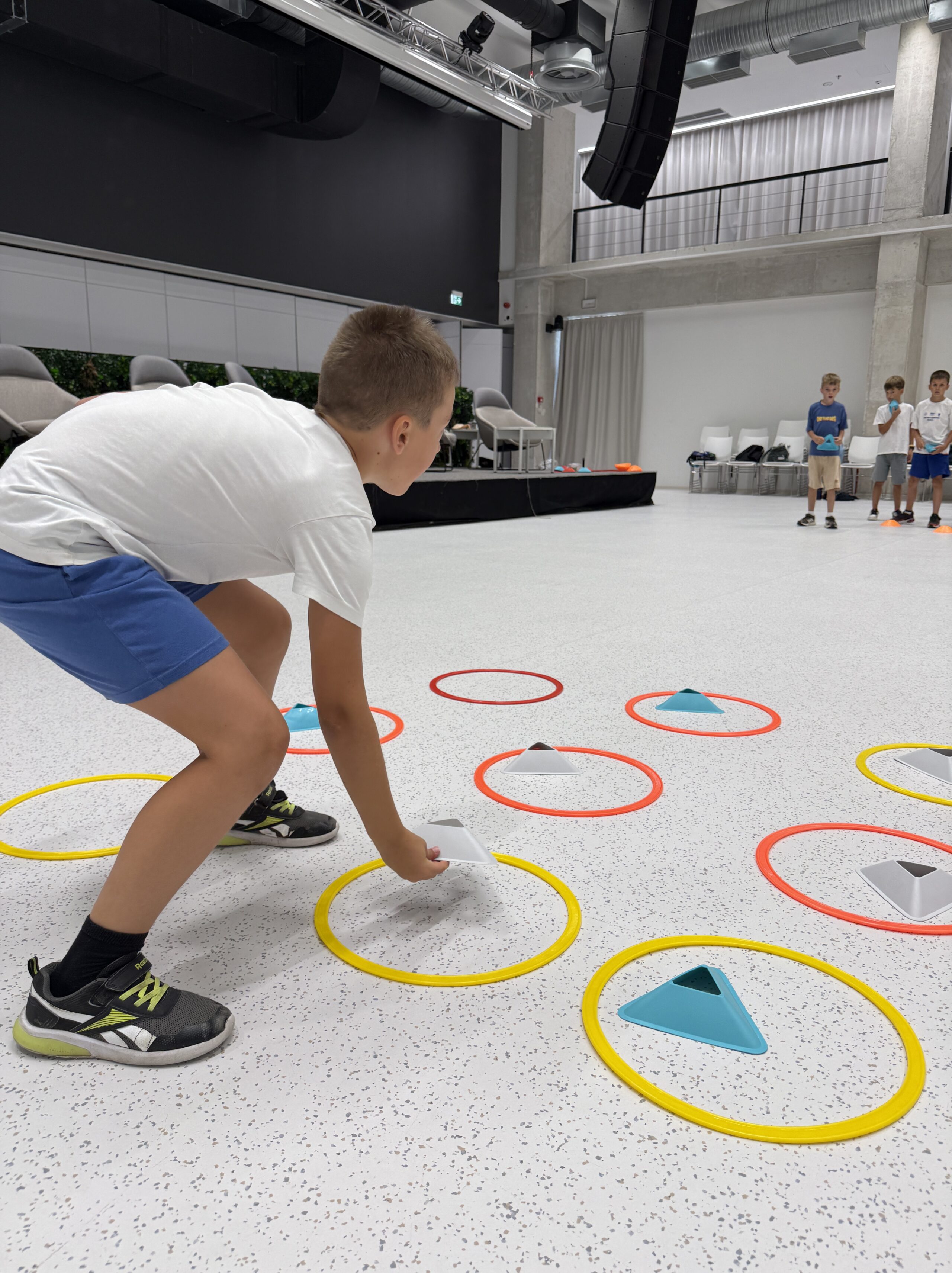
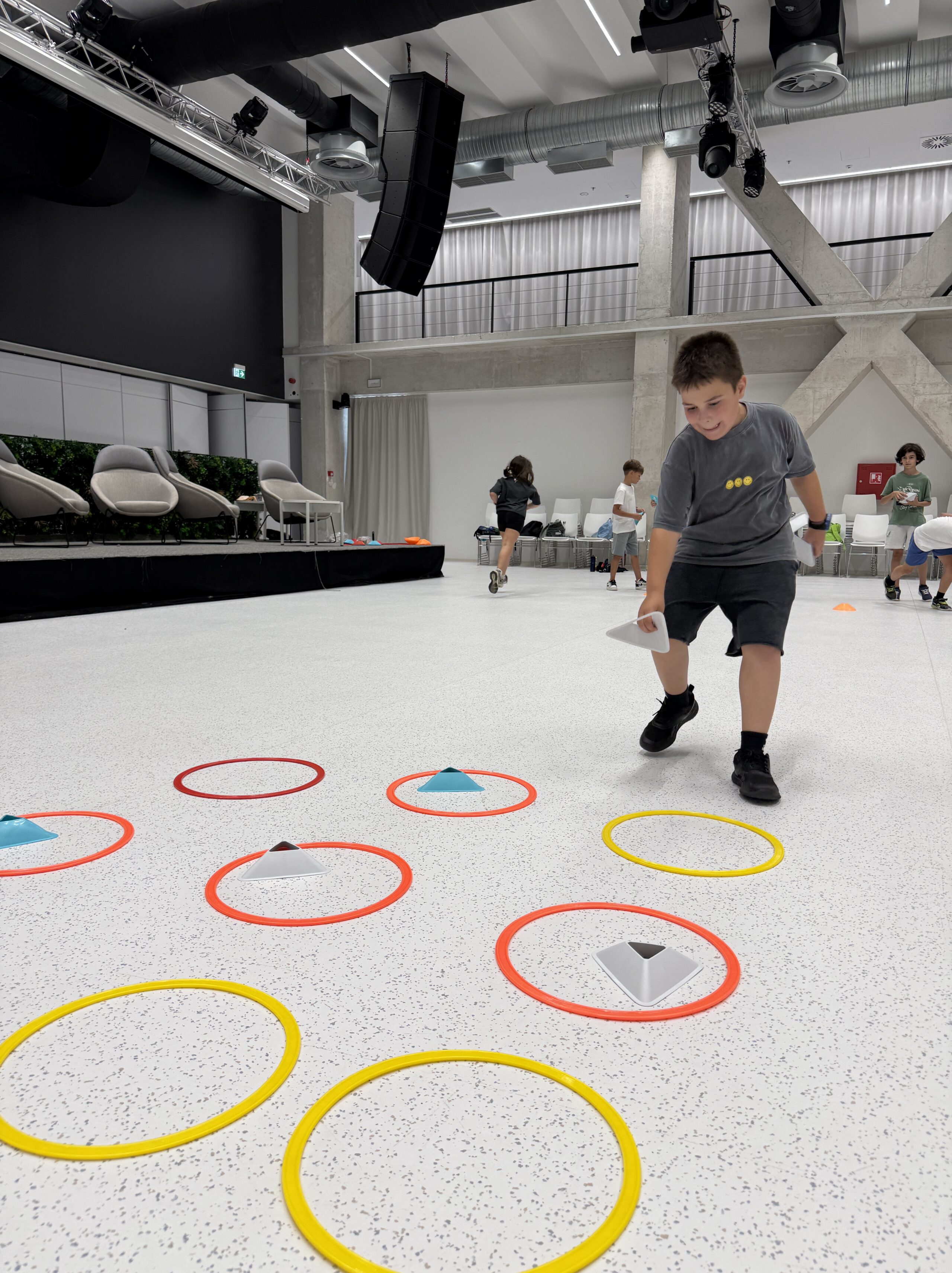
Summer sports and educational STEAM Camp at Split Technology Park concludes

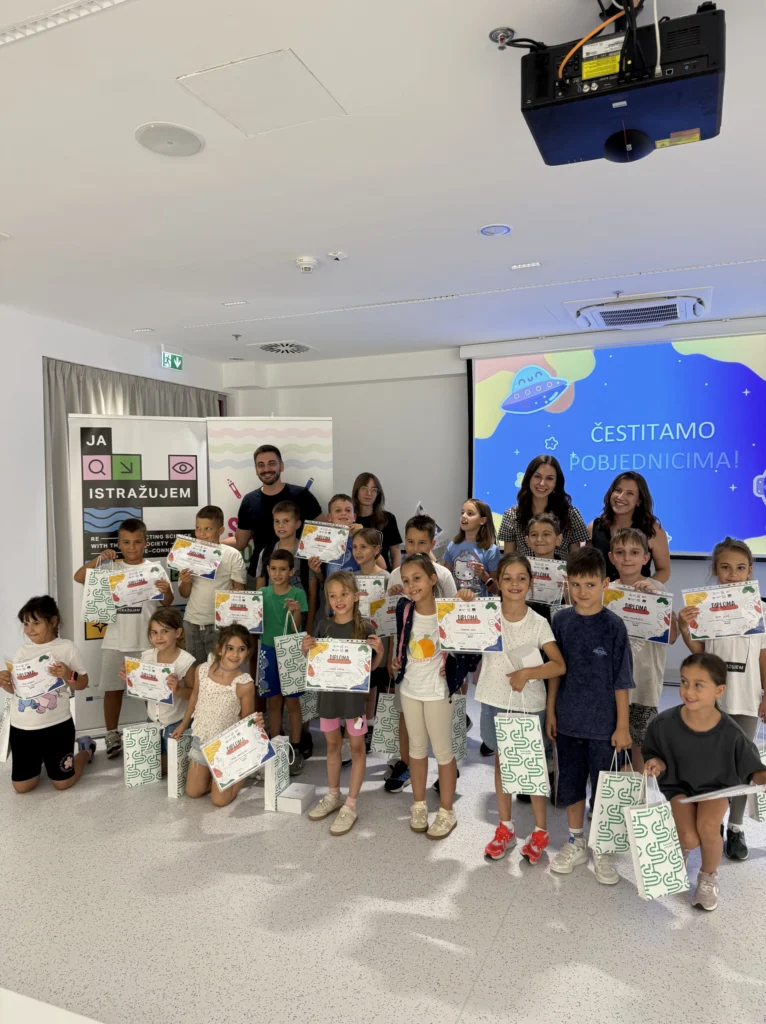
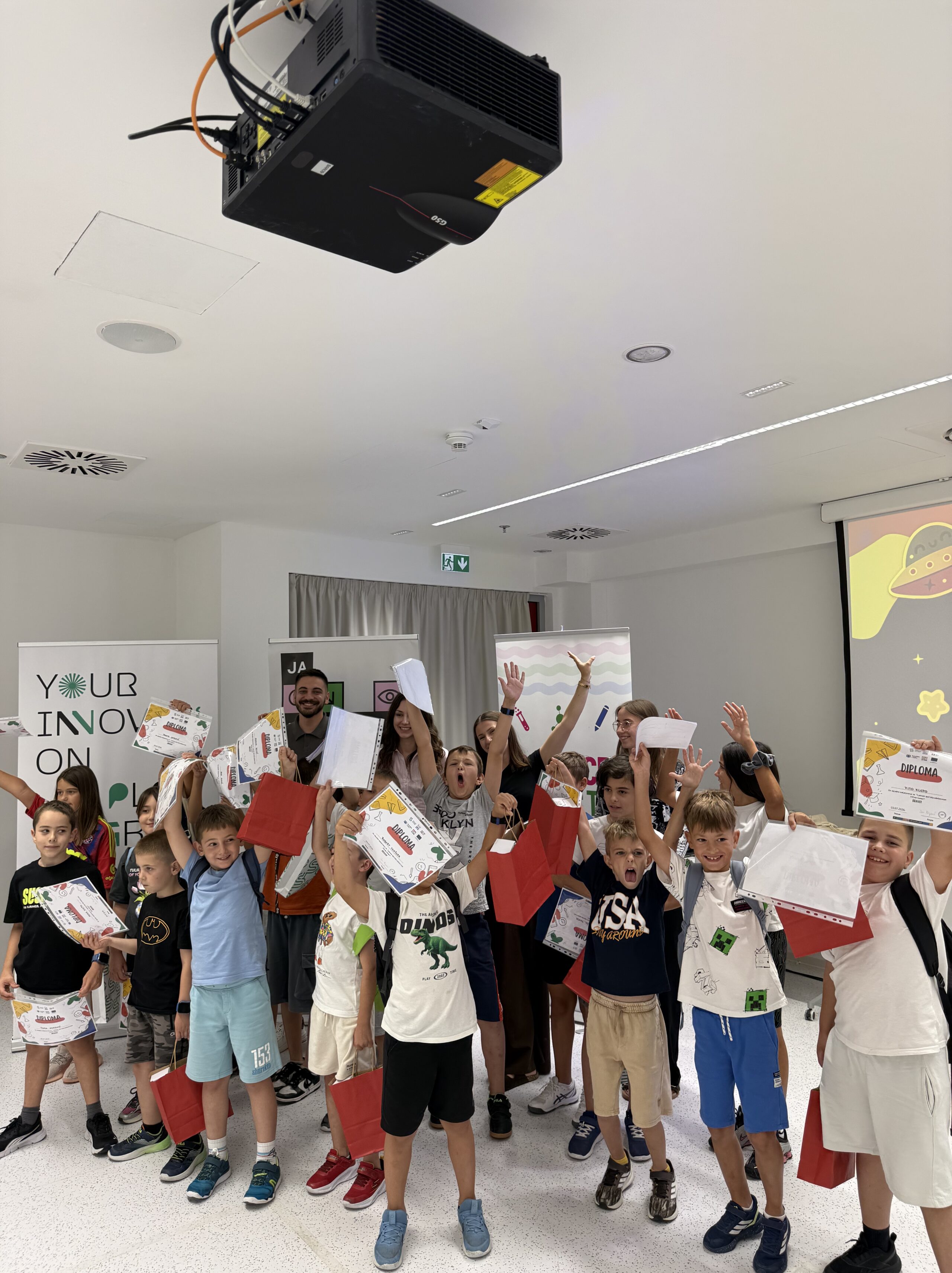
The summer sports and educational STEAM camp, organised by the Split Development Agency – RaST in cooperation with the City of Split, the Children’s Excellence Incubator and the University of Split, has been successfully completed at Split Technology Park.

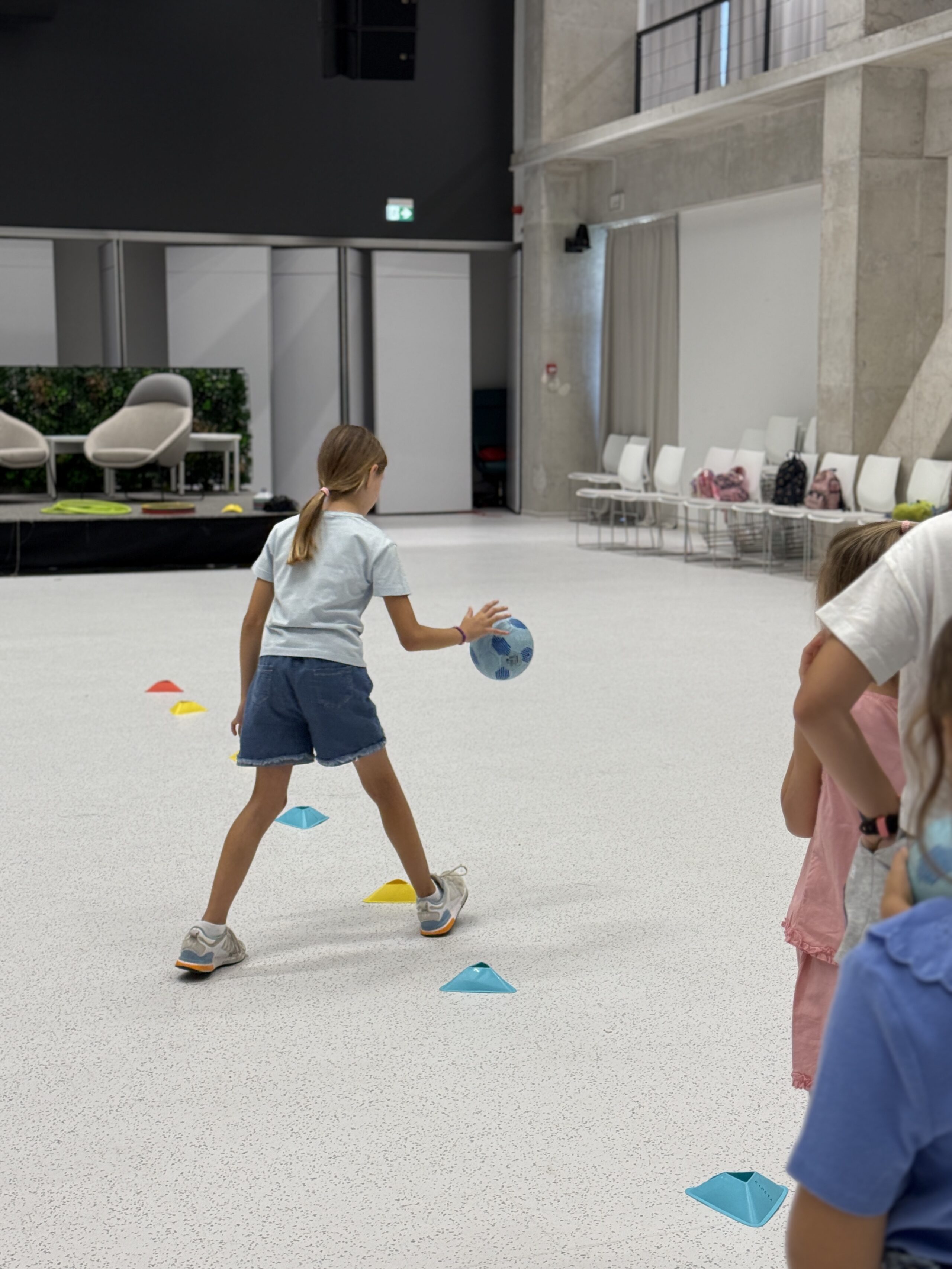
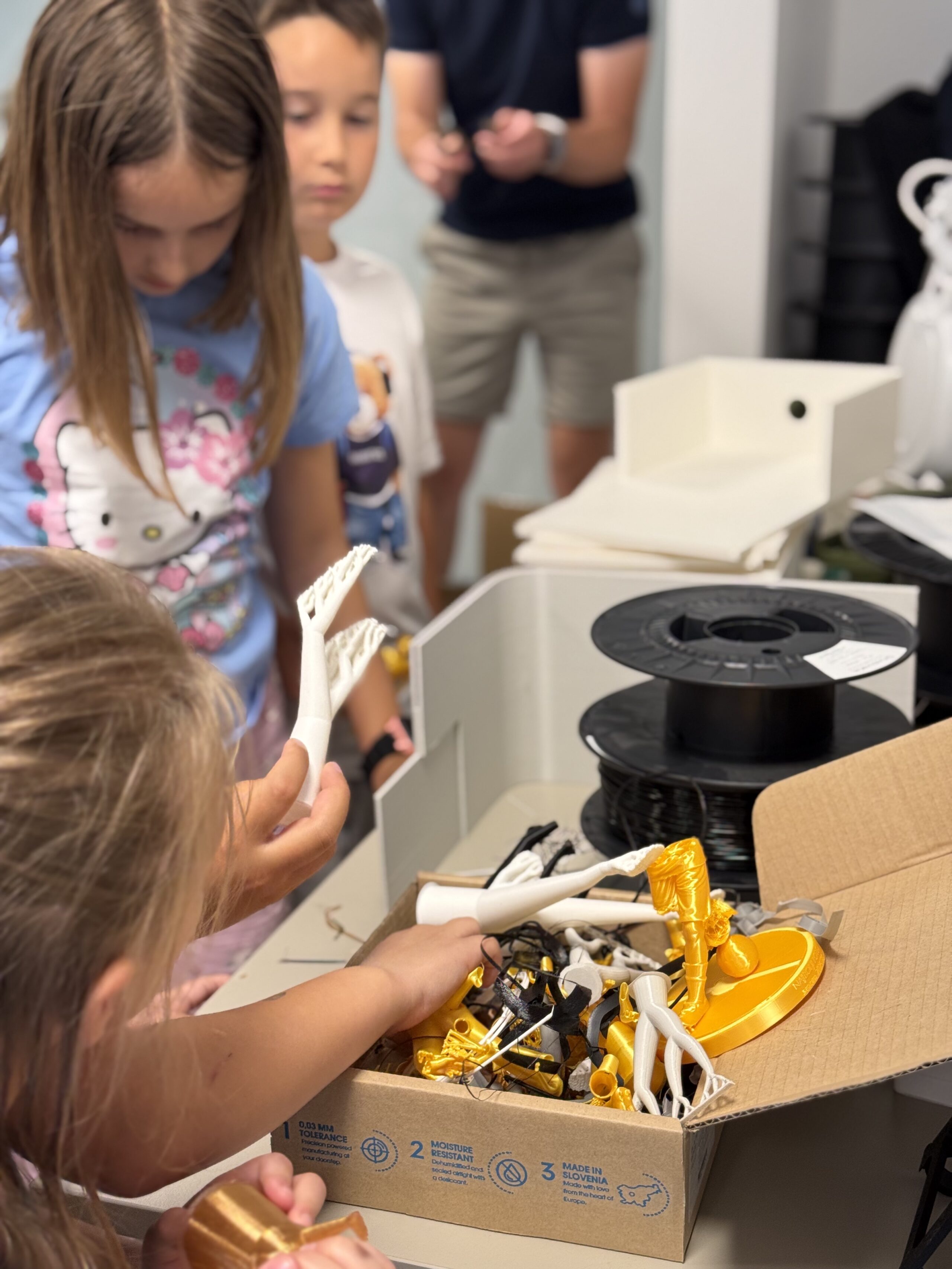
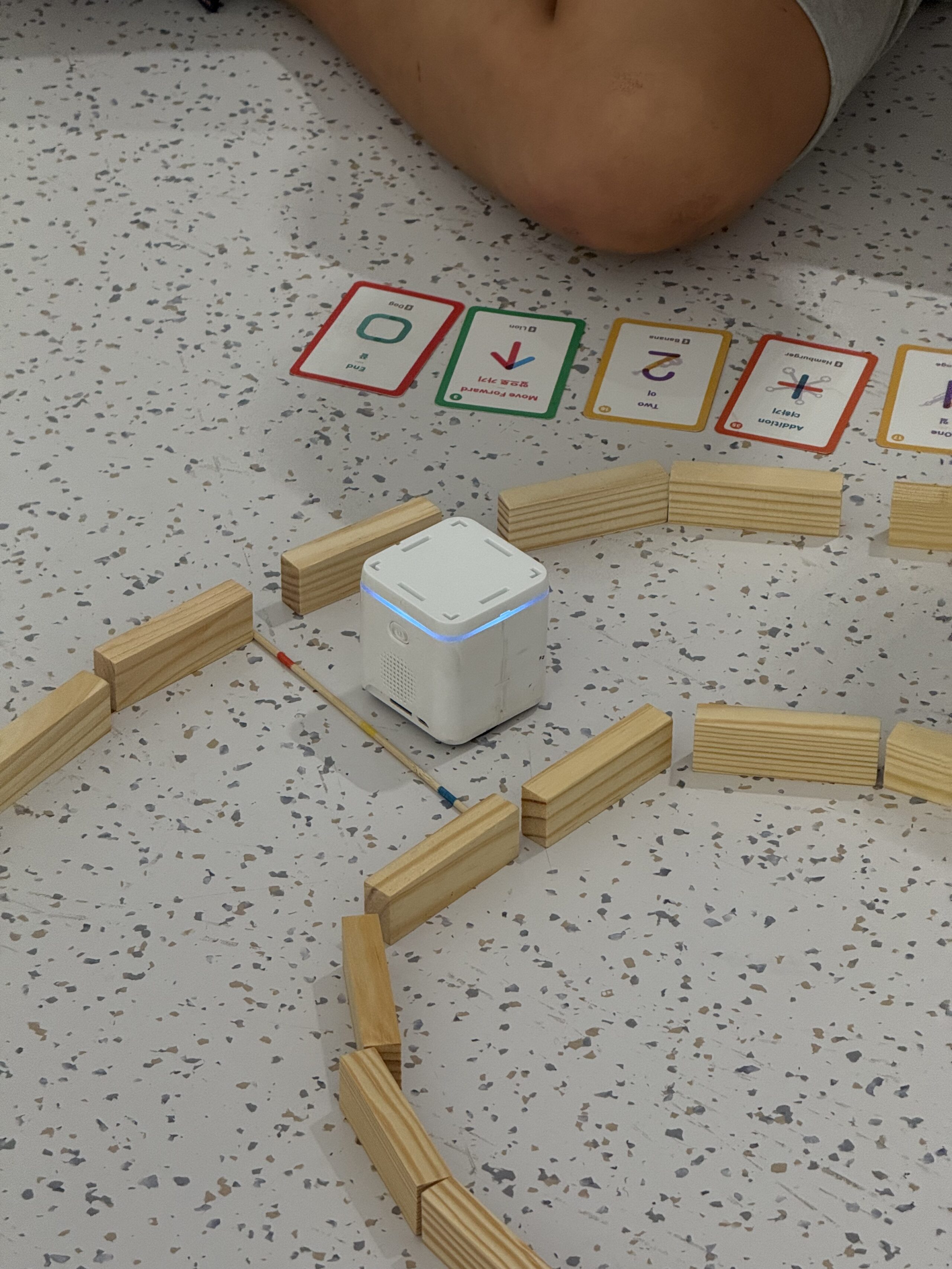
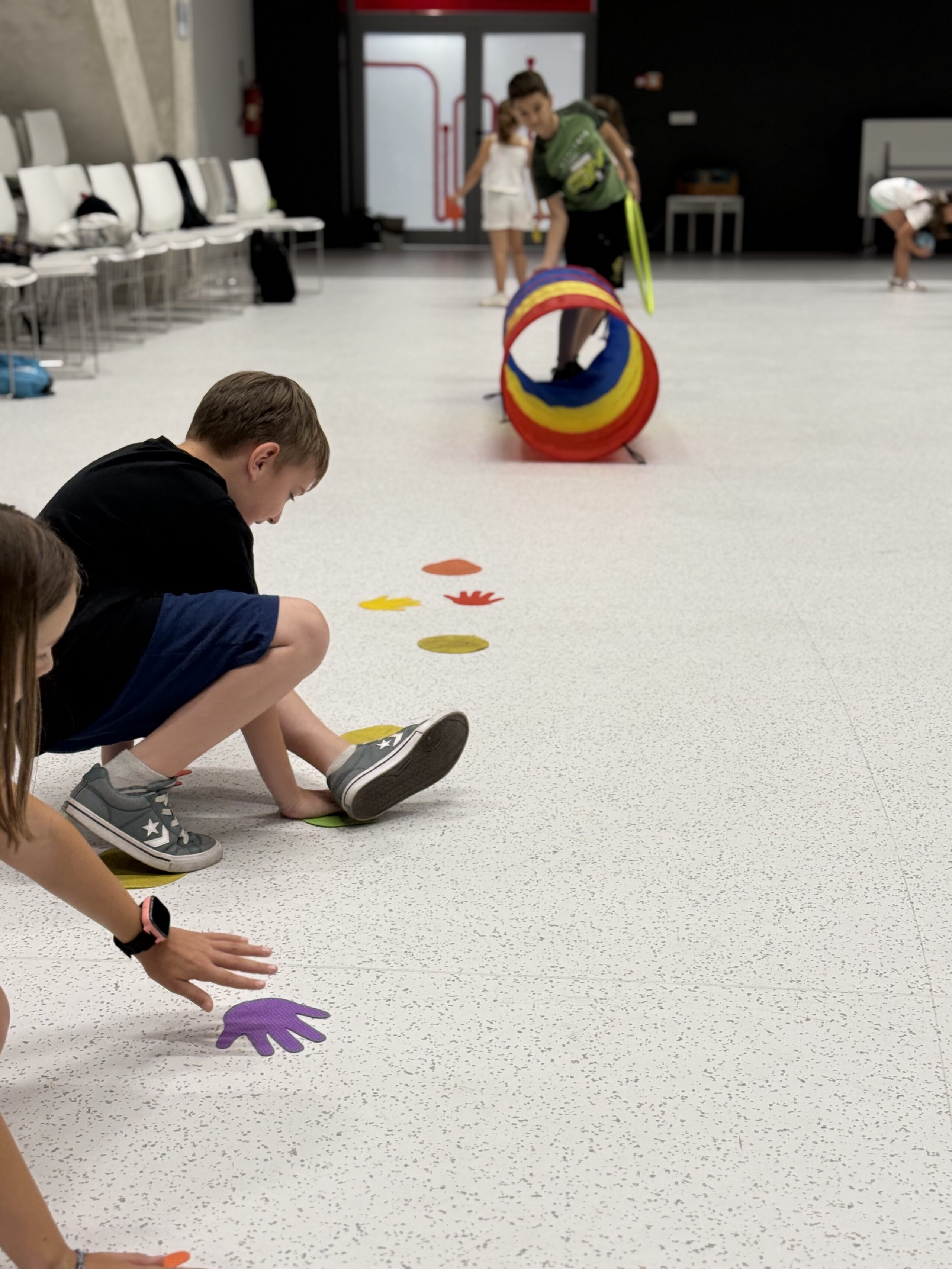
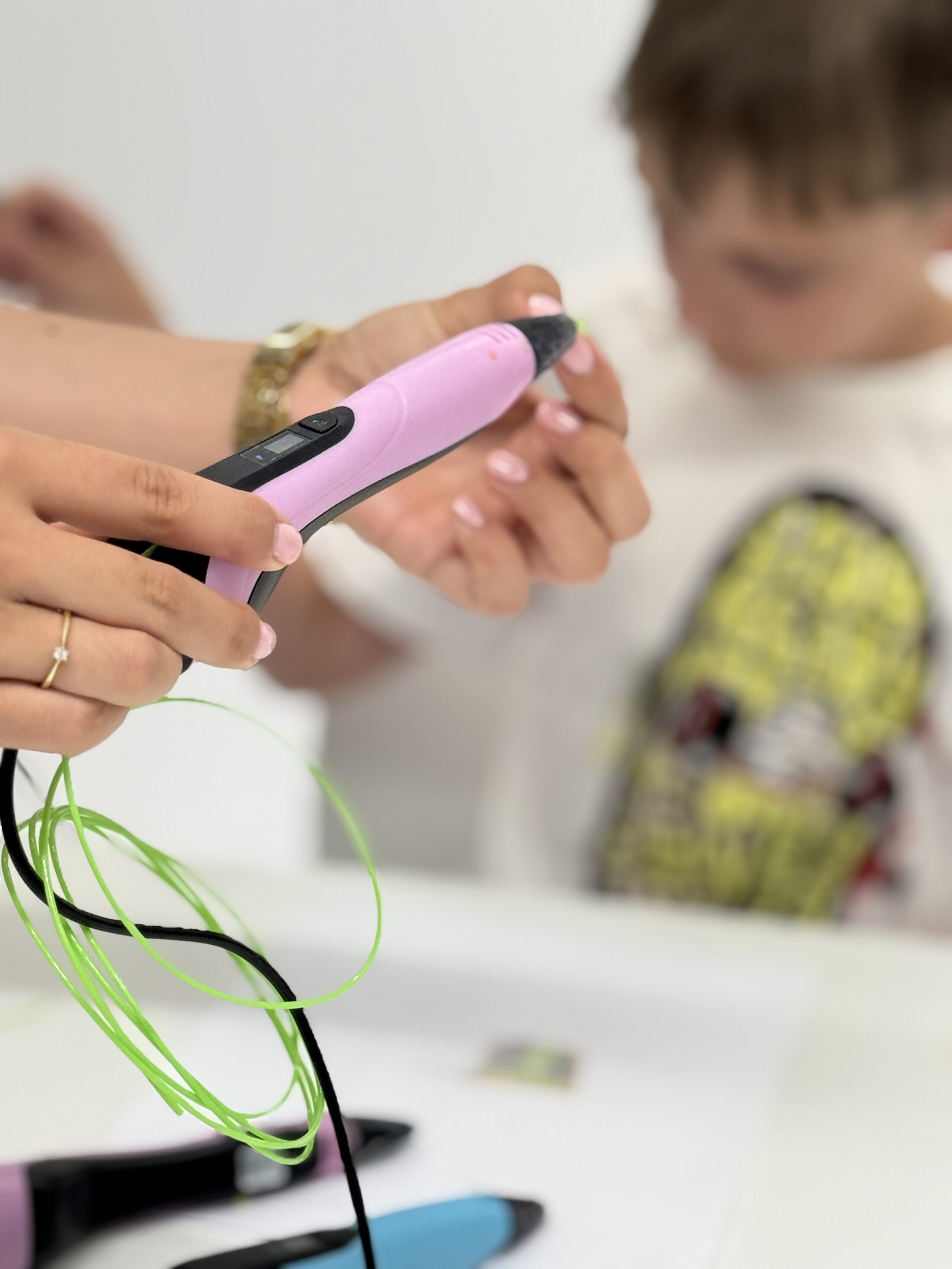
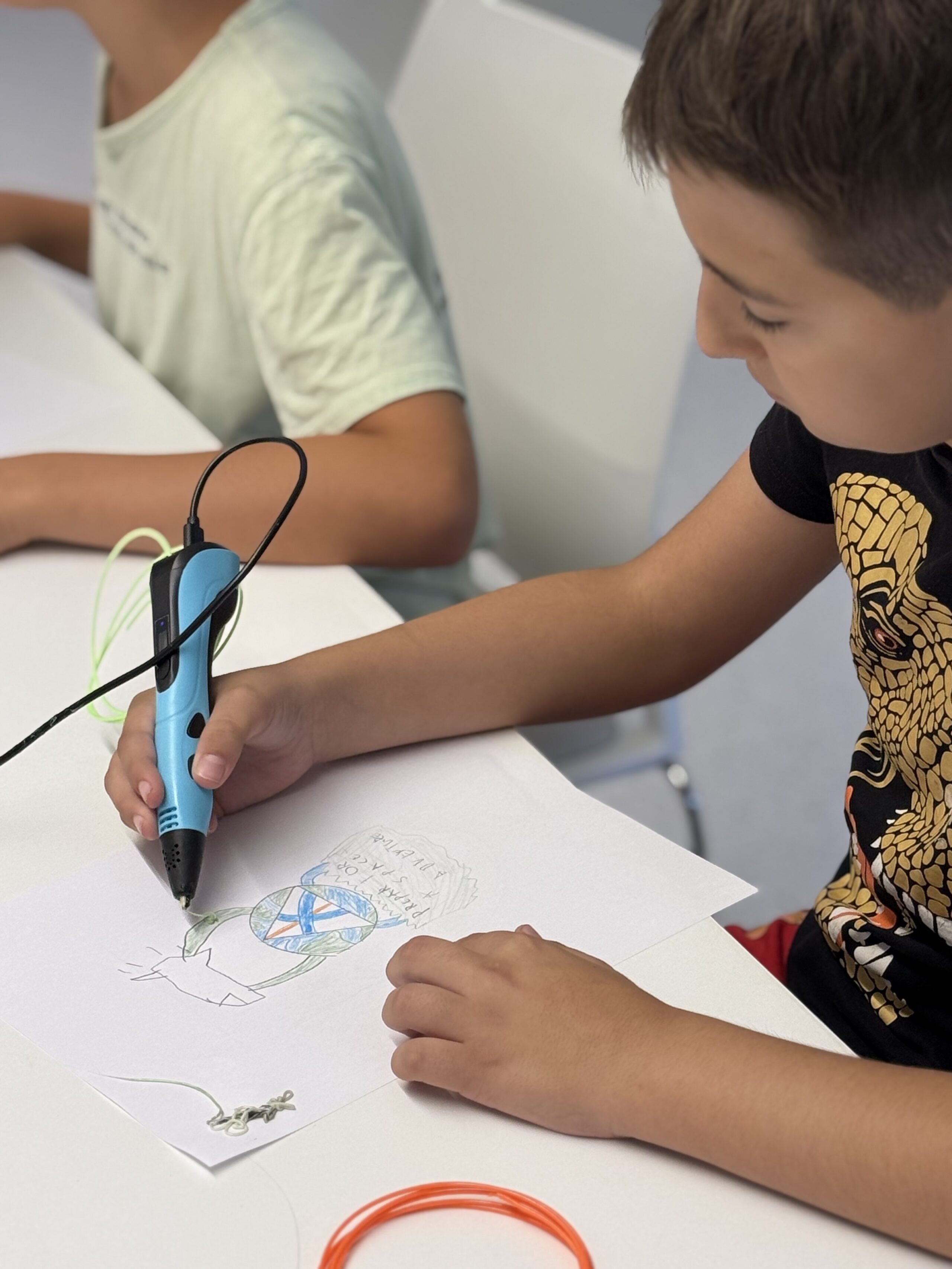
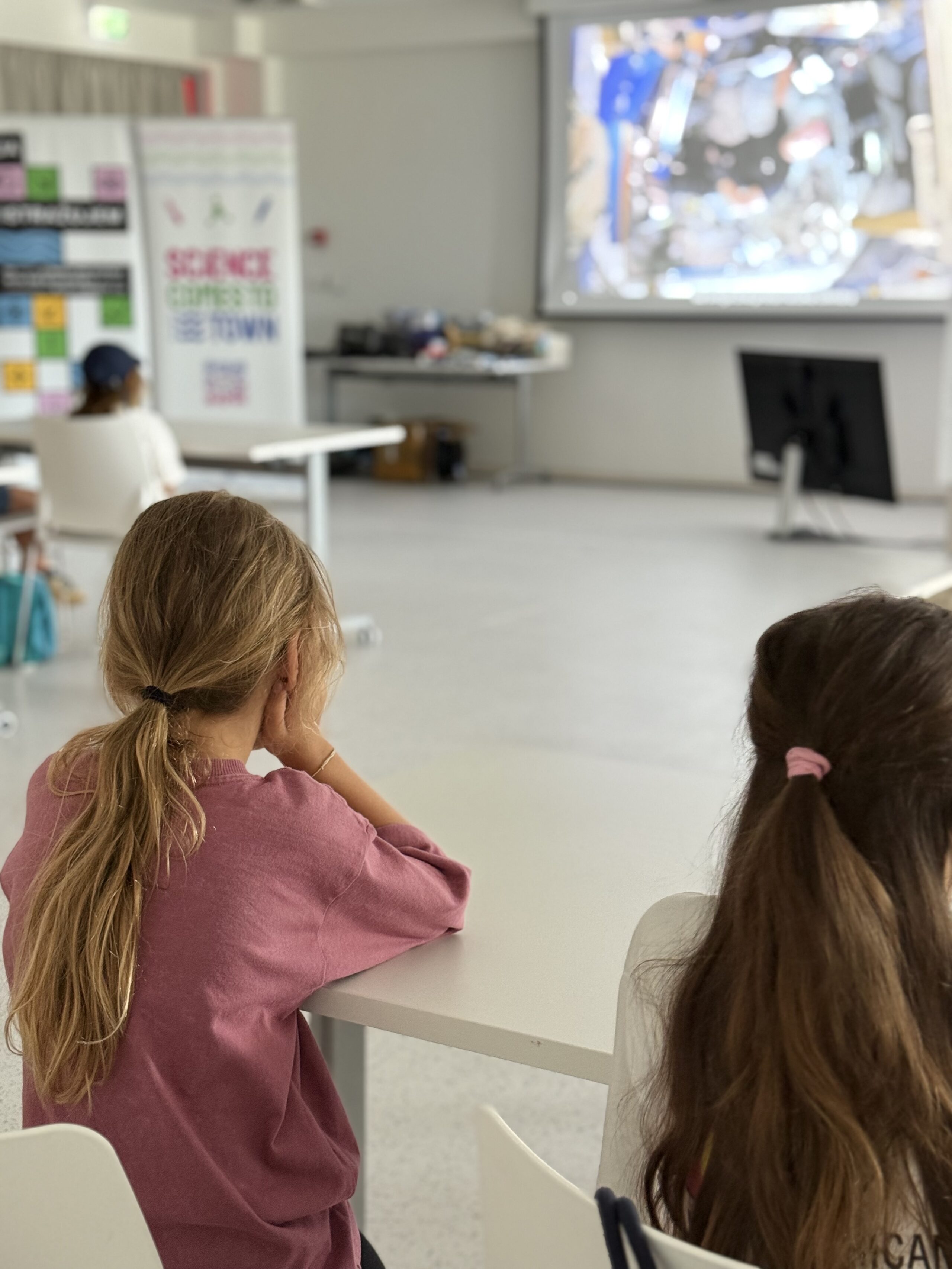
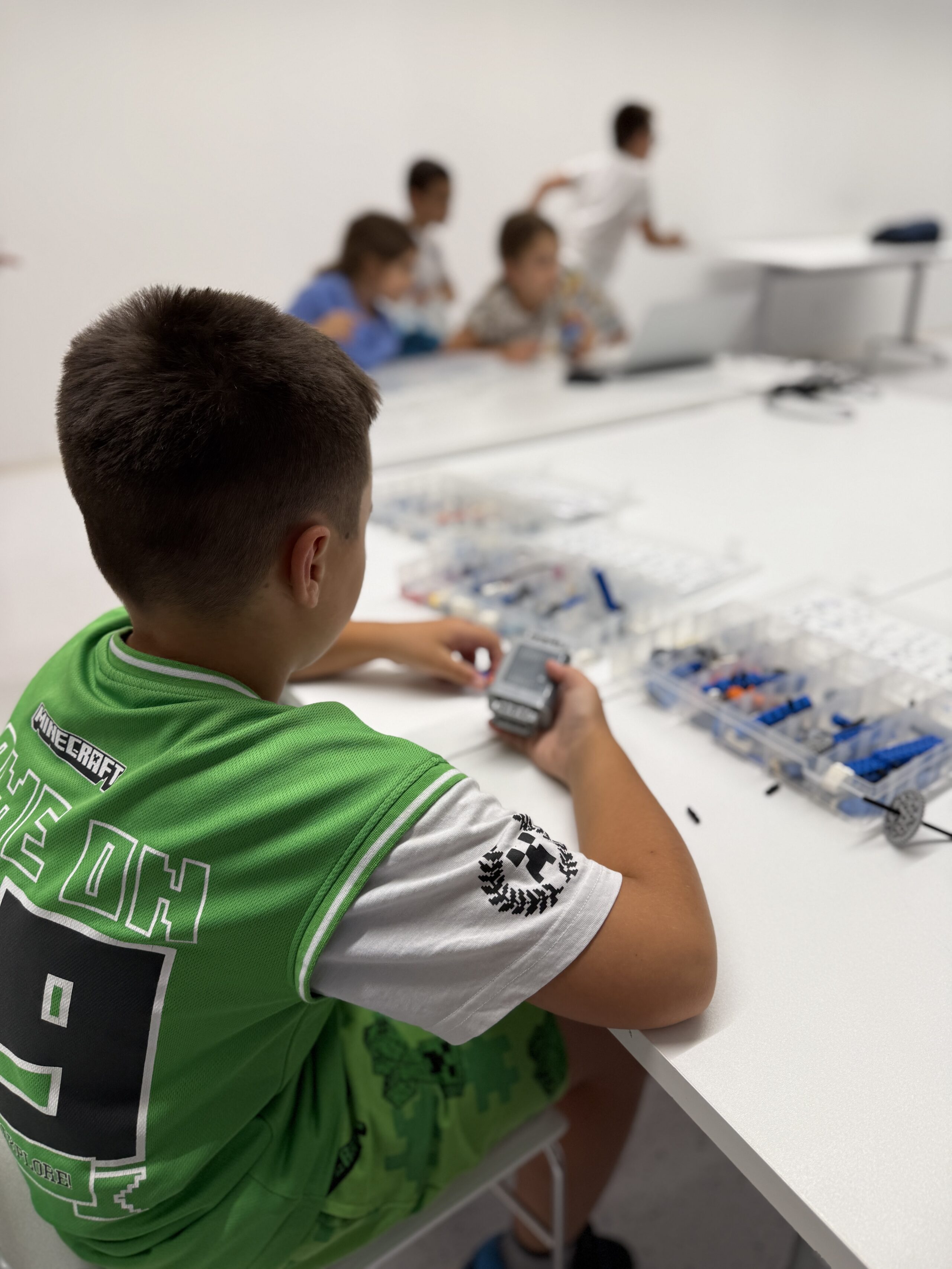
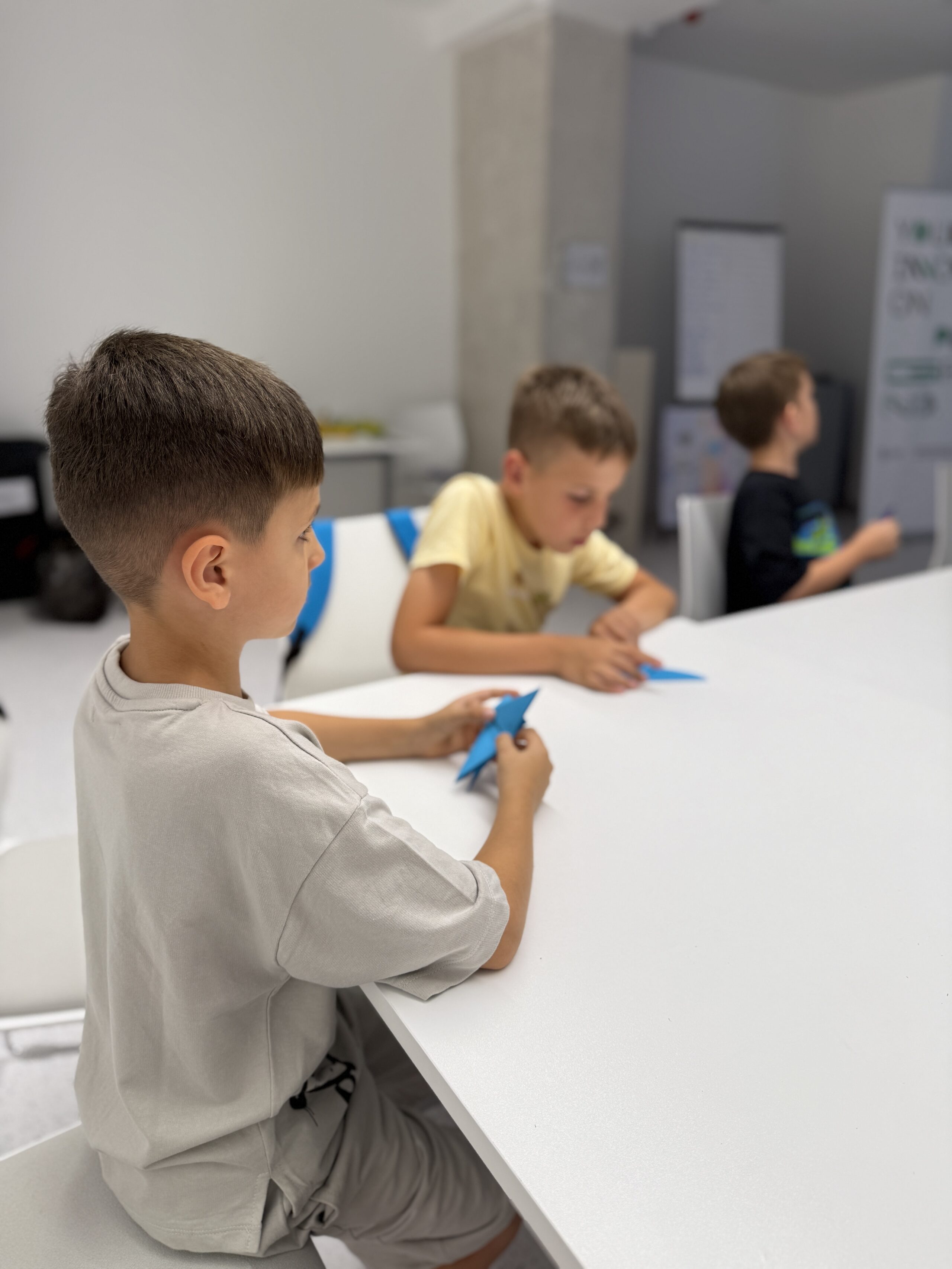
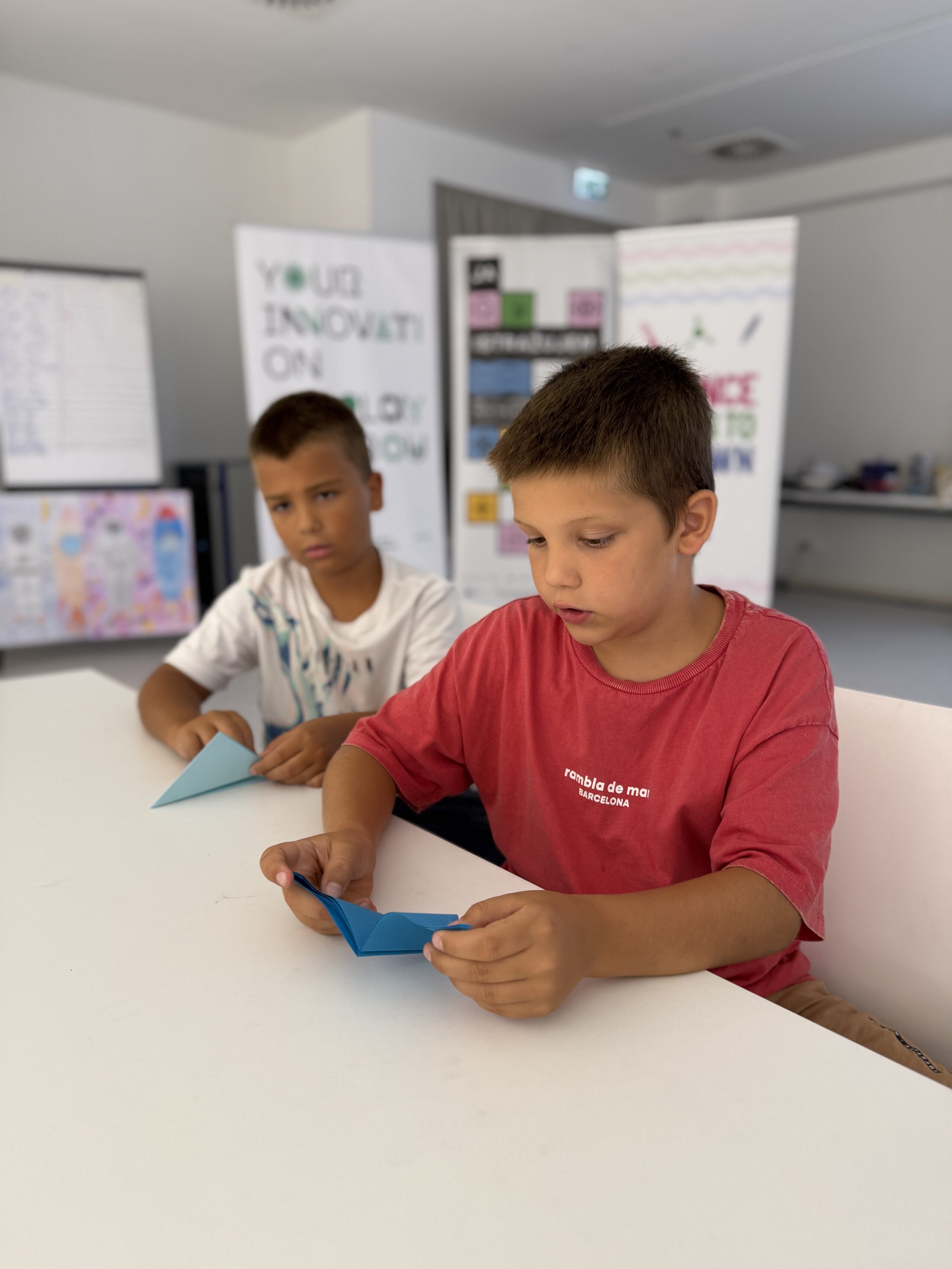
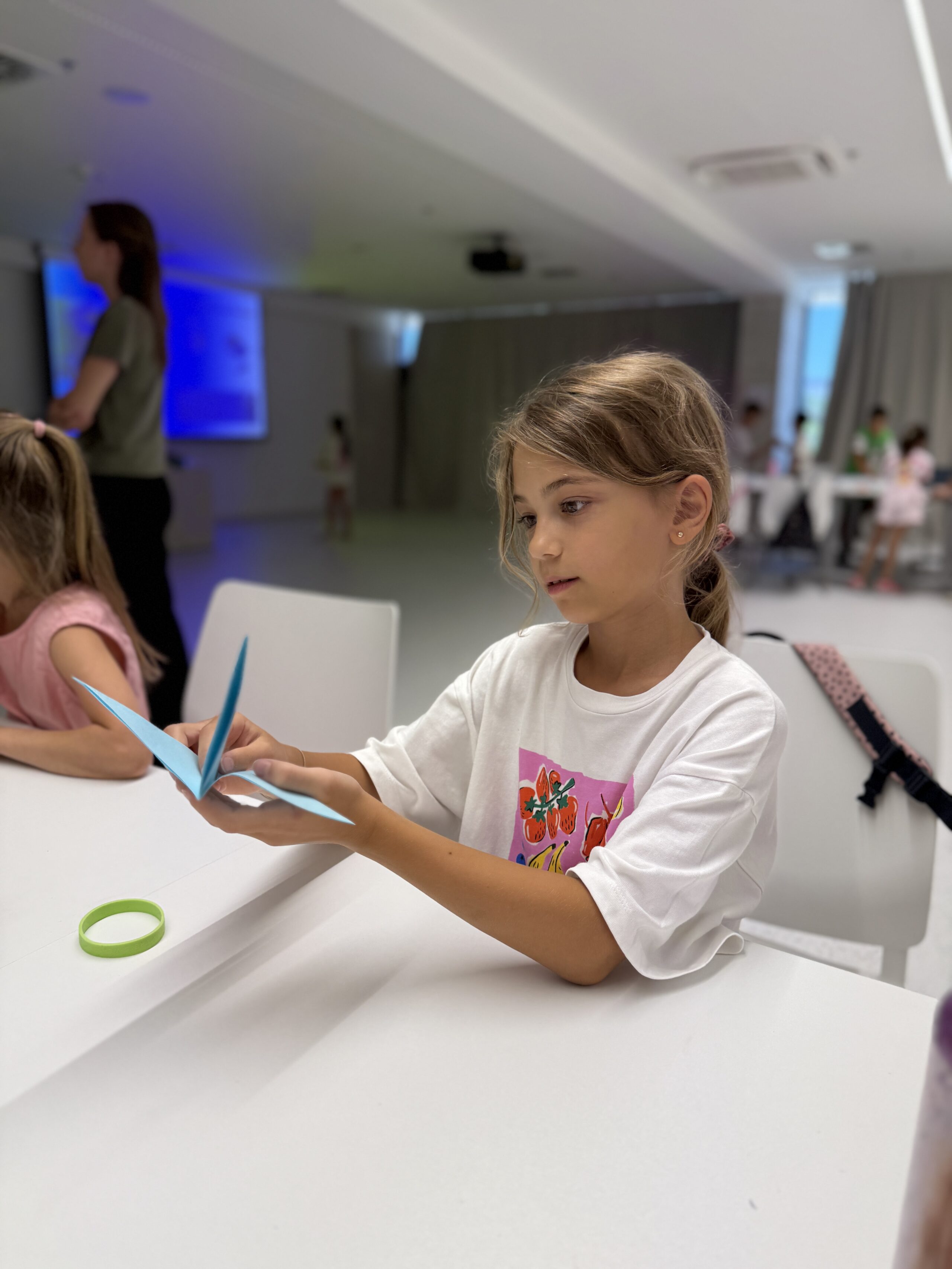
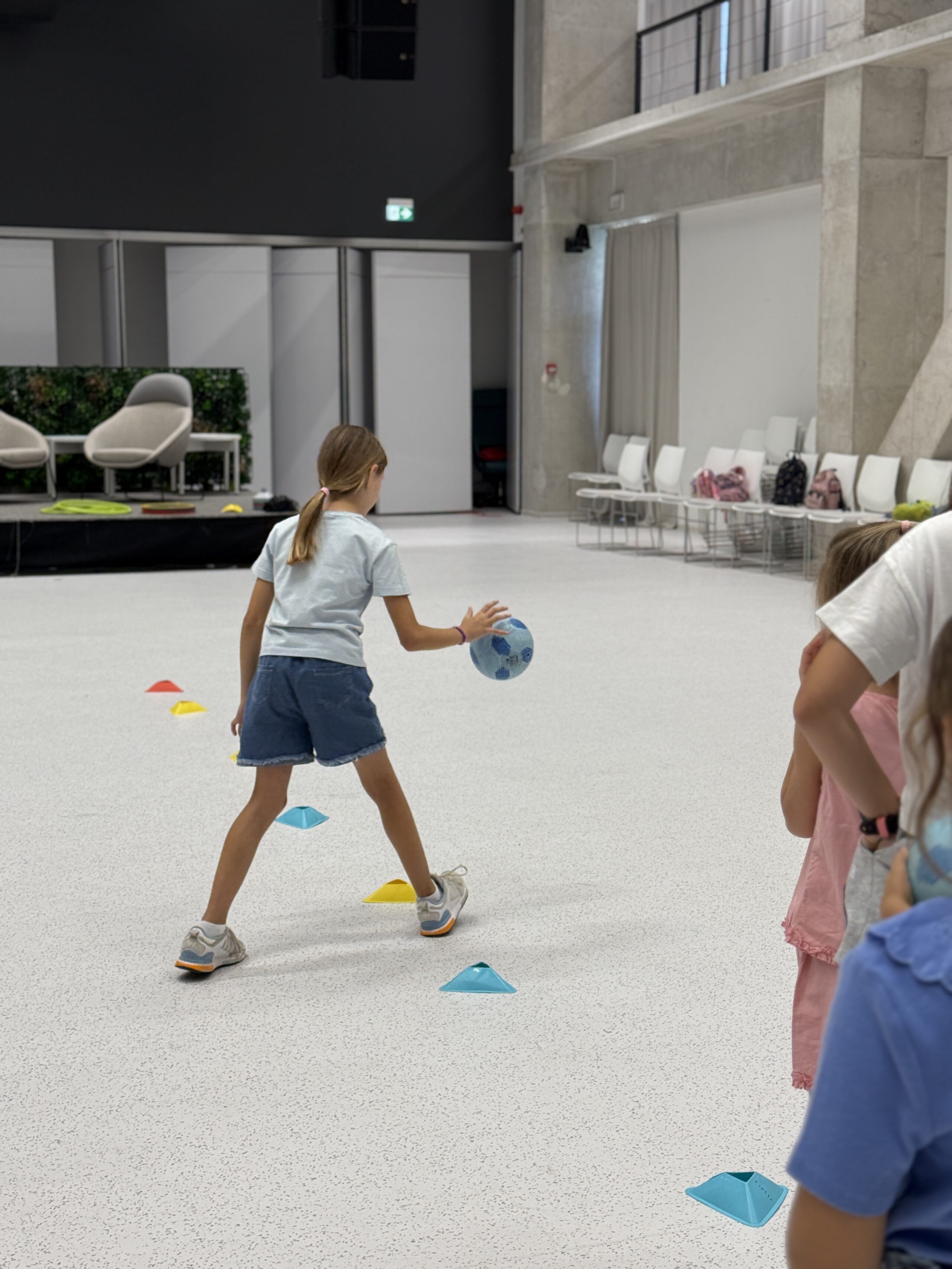
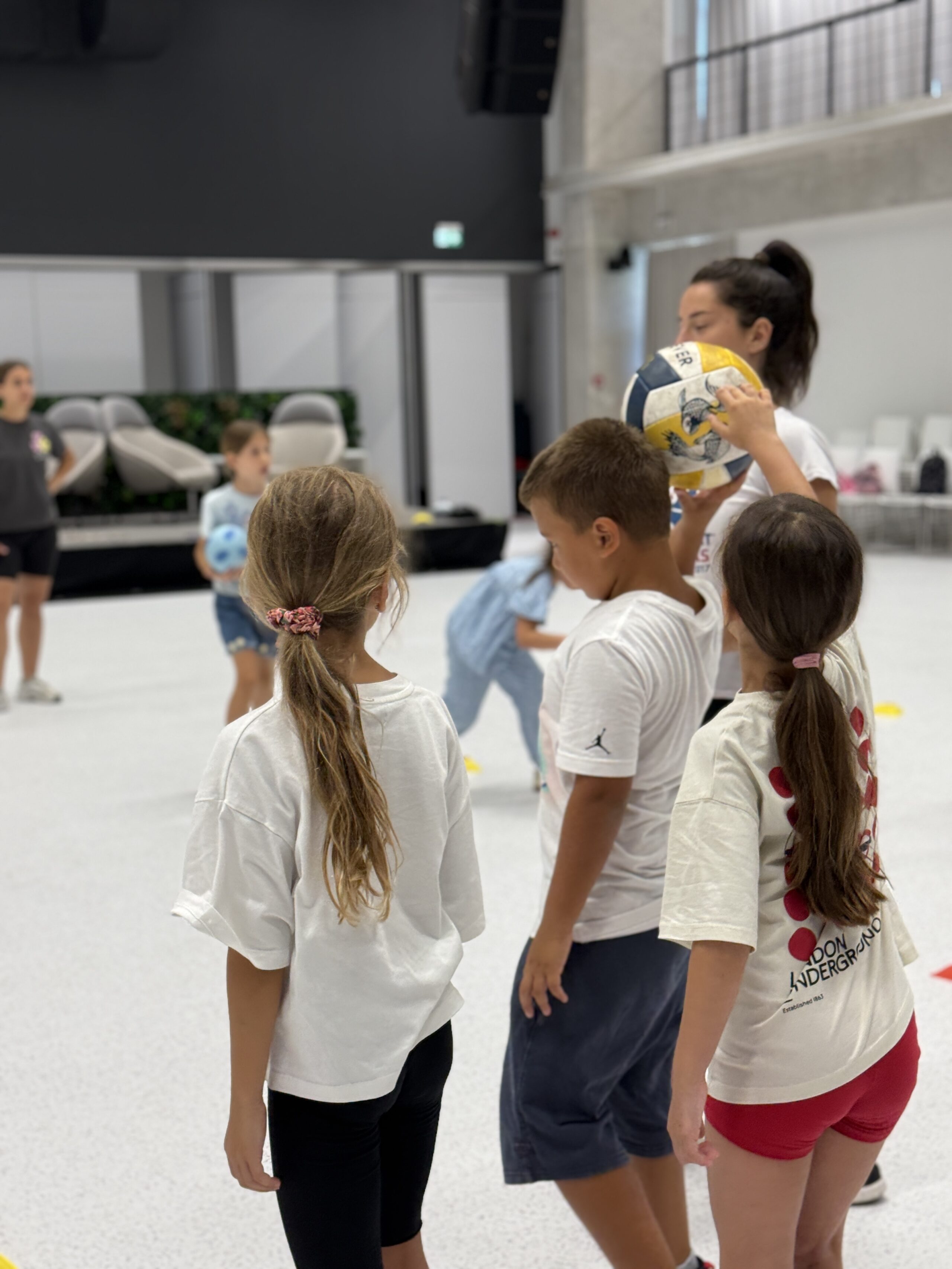
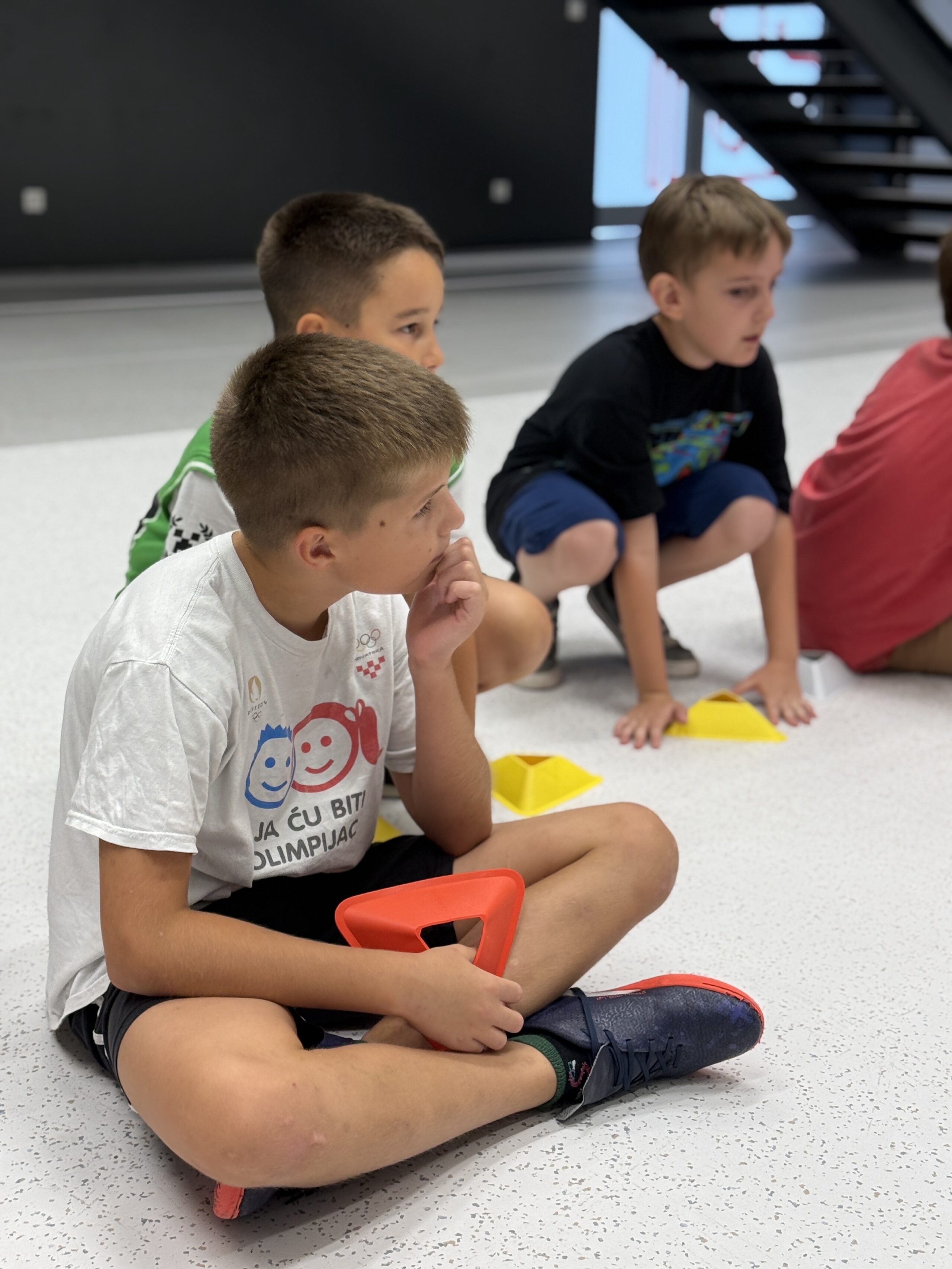
Over the two weeks of the camp, two groups of children took part in a wide range of sports activities, hands-on STEAM workshops and numerous educational and fun activities that encouraged creativity, logical thinking, teamwork and the development of new skills.

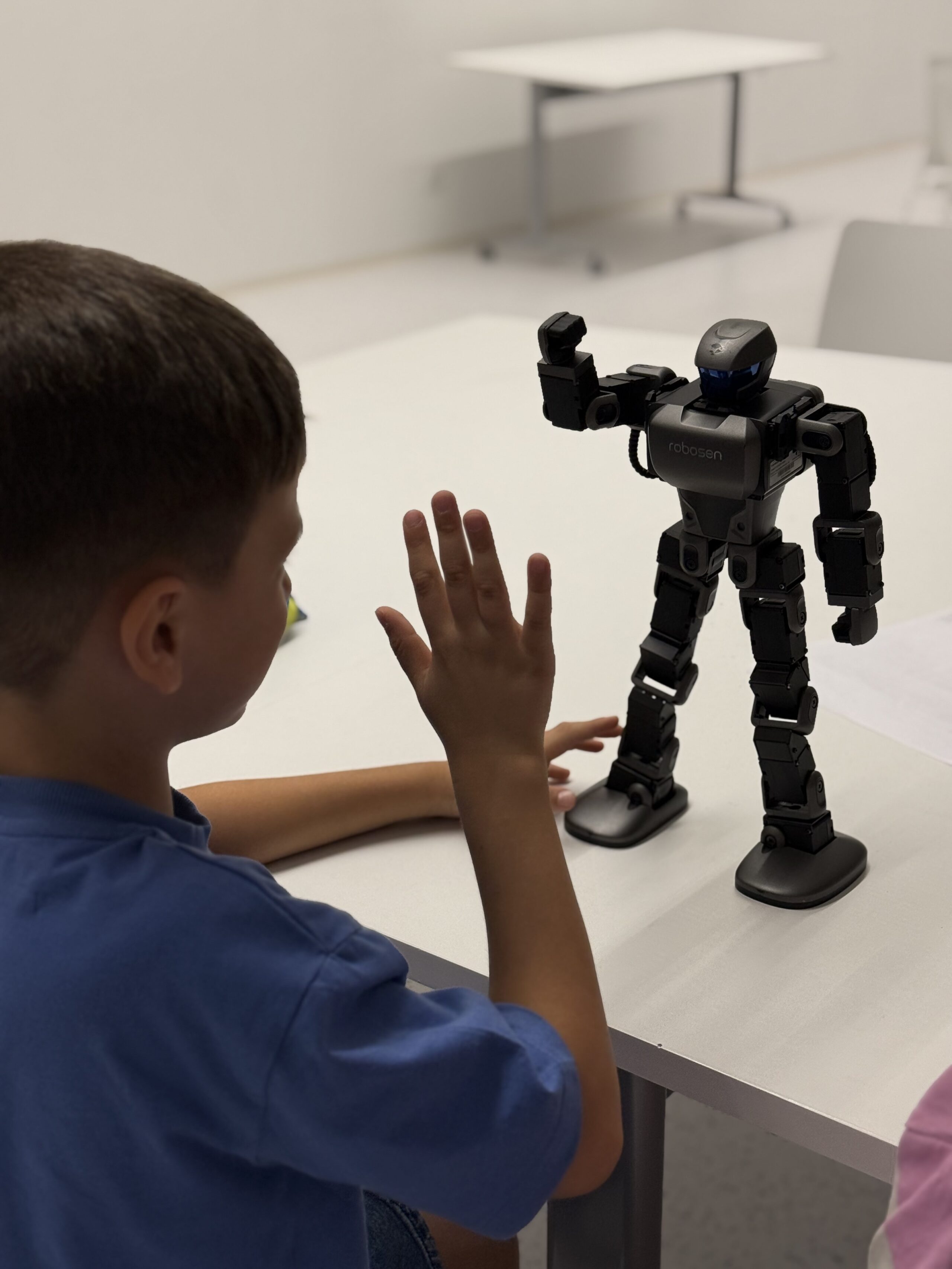
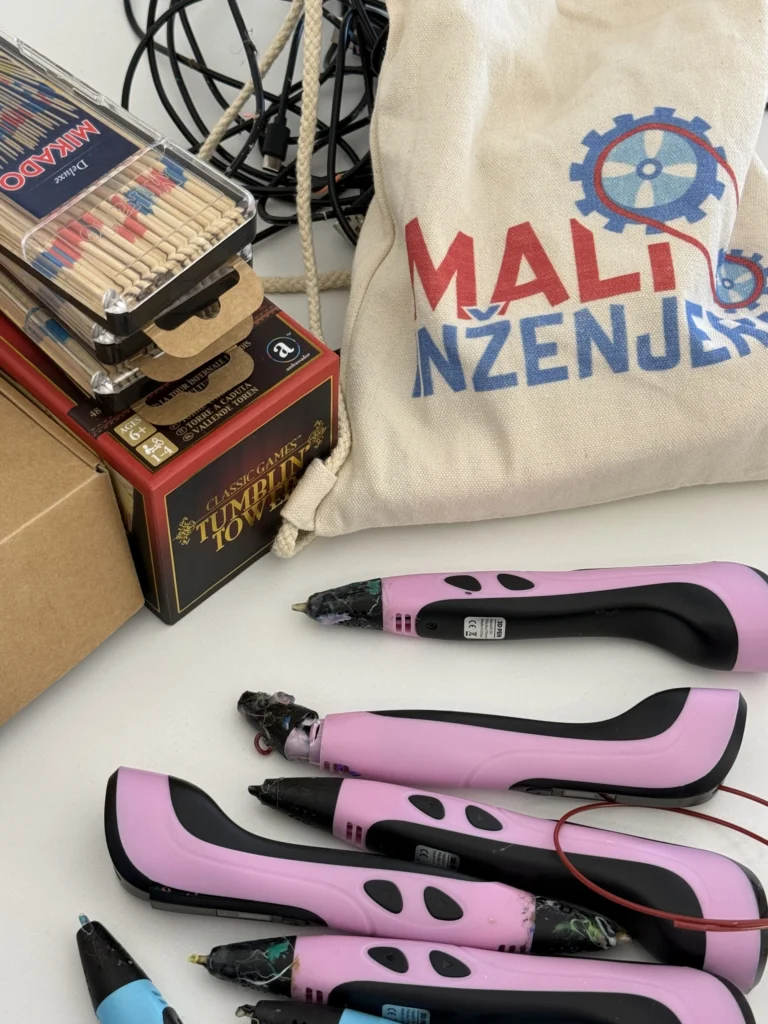
Through the programme, they explored the world of robotics and programming, built models with LEGO Education Spike kits, programmed micro:bit devices and Genibot robots, explored the Solar System, learned English commands with the Robosen K1 robot and solved various challenges in interactive workshops. Every day was rounded off with sports games that developed cooperation, coordination and team spirit.

Both weeks passed in an excellent atmosphere, with plenty of curiosity, laughter and new friendships. The children took part in all activities with great interest, showing how inspiring this combination of education, technology and sport can be during the summer holidays.

We thank all participants, parents and partners whose involvement contributed to the successful delivery of another edition of the STEAM camp. We look forward to seeing you again and to future generations of young explorers and innovators.

First Week of the Summer Sports and Educational STEAM Camp at Split Technology Park Completed

The first week of the summer sports and educational STEAM camp, organised by the Split Development Agency – RaST in cooperation with the City of Split, the Children’s Excellence Incubator and the University of Split, has been successfully completed at Split Technology Park.

Over five days, the children took part in a wide range of sports activities, hands-on STEAM workshops and numerous educational and fun activities that encouraged creativity, logical thinking, teamwork and the development of new skills.

Through the programme, the children explored the world of robotics and programming, built models with LEGO Education Spike kits, programmed Micro devices and Genibot robots, explored the Solar System, learned English commands with the Robosen K1 robot and solved various challenges in interactive workshops. In addition to the educational part of the programme, they also took part in sports games every day that developed cooperation, coordination and team spirit.

The first week was all about learning, play and socialising. The children took part in the workshops and sports activities with great interest, and a positive atmosphere accompanied the programme from the first day to the last.

The second week of the STEAM camp begins today, with a new group of participants looking forward to an equally rich programme full of learning, exploration, sport and socialising.

Innovate Meetup Events Supporting Startup Ideas and Entrepreneurs

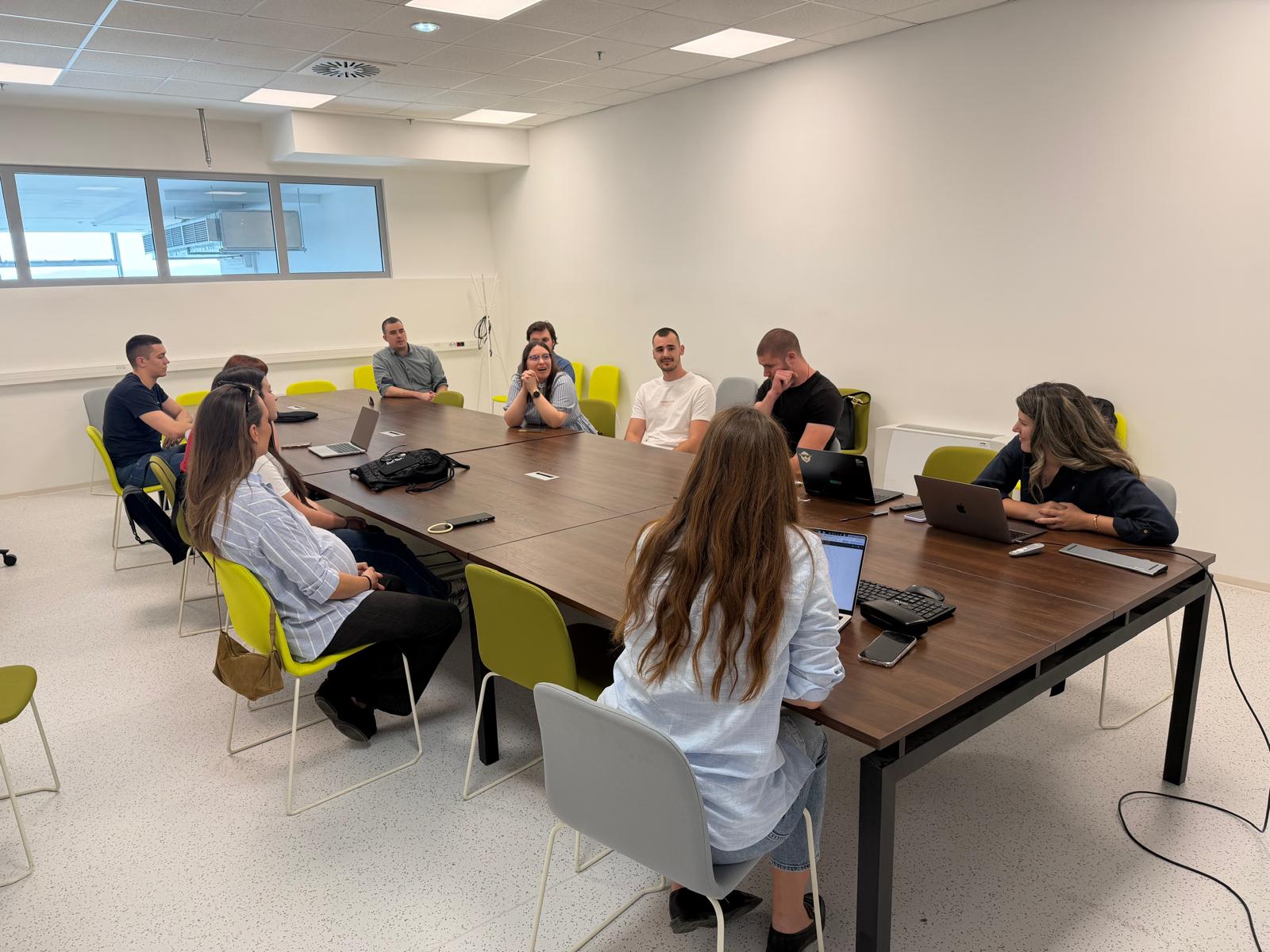
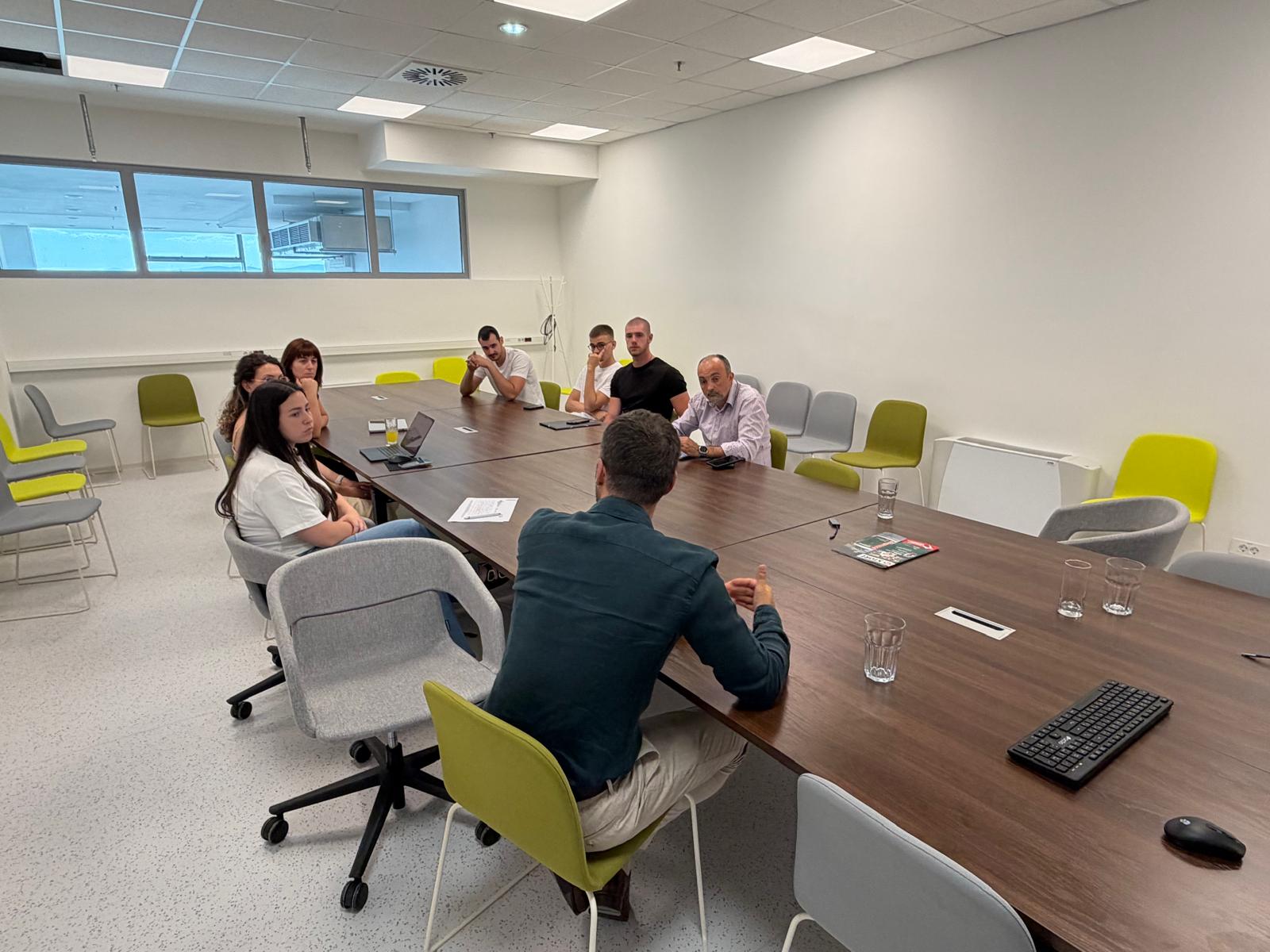
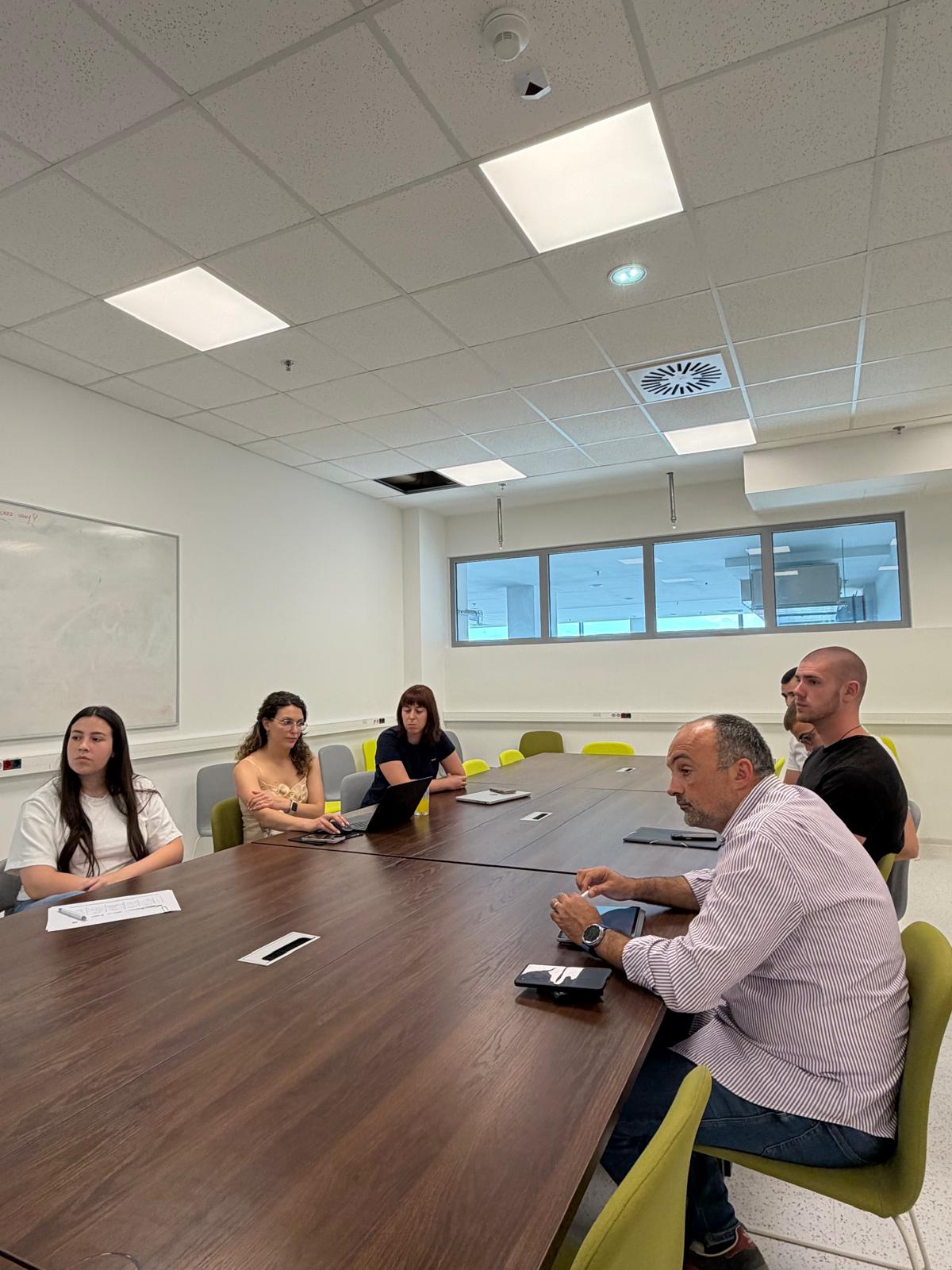
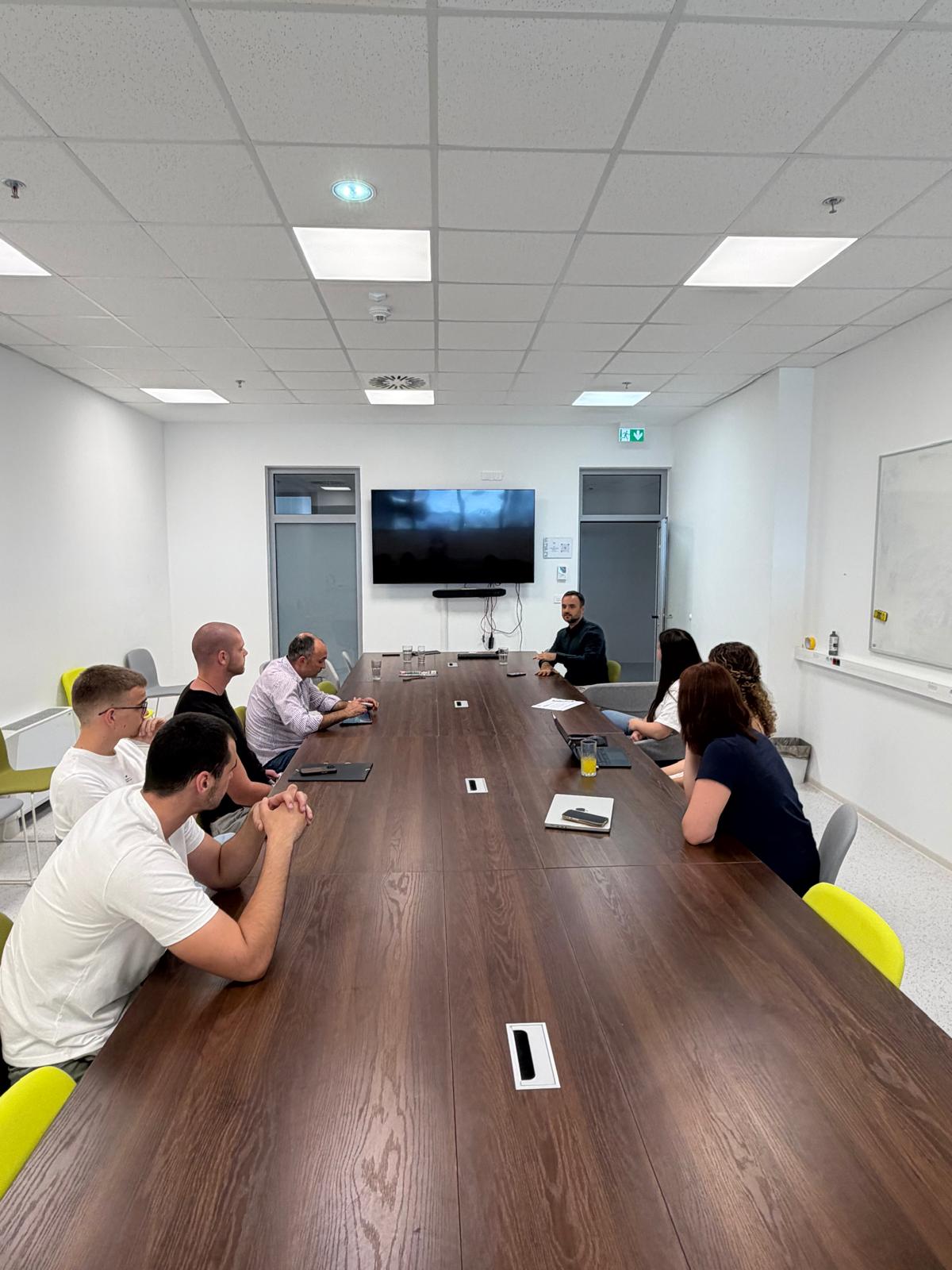
Following the successful completion of the Startup Academy, the Technology Park is continuing its networking and education programme through a series of Innovate Meetup events, designed to strengthen the startup community, encourage knowledge sharing and provide practical mentoring support to young entrepreneurs.

Innovate Meetup #1 – marketing, branding and idea development
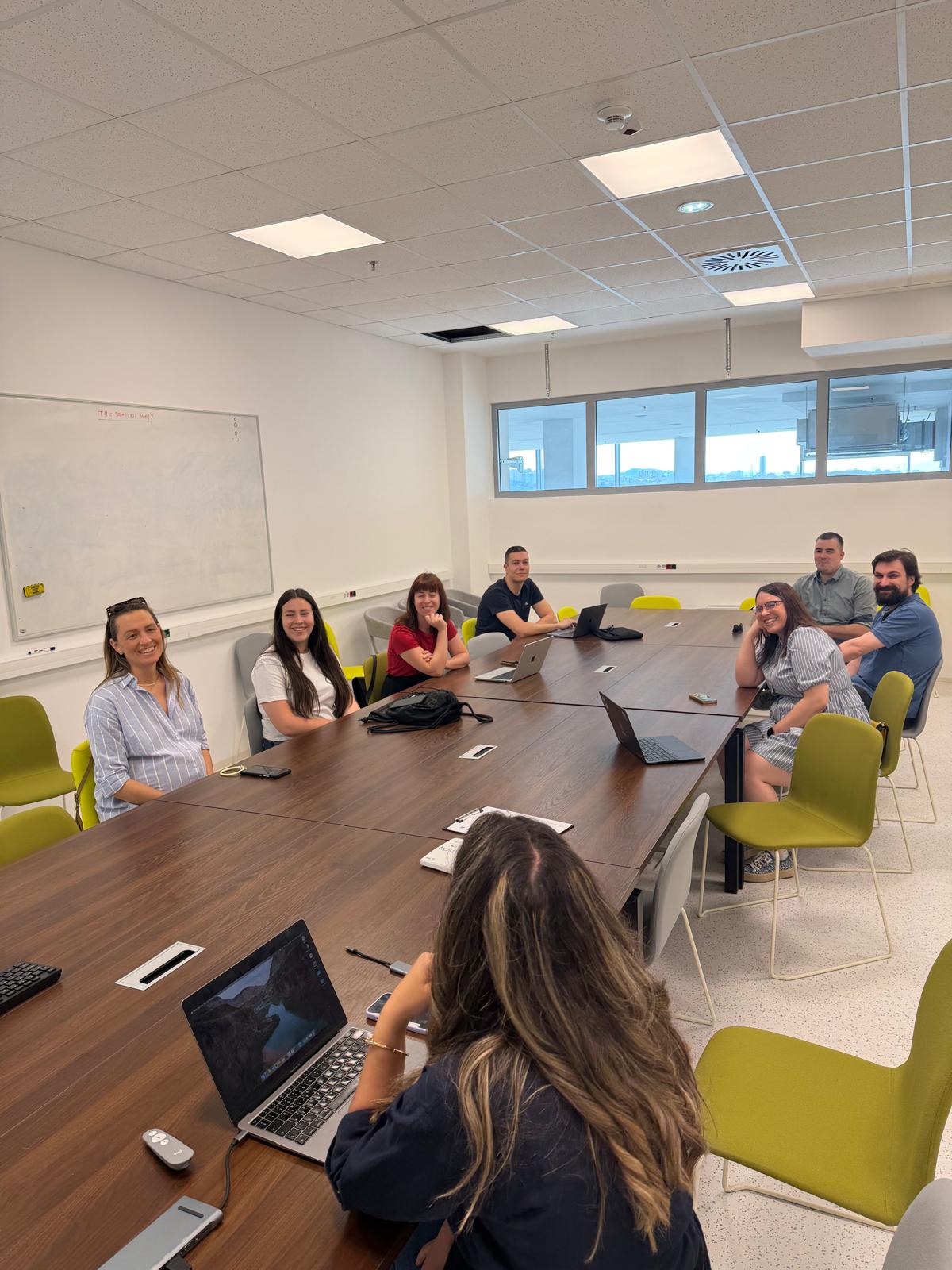
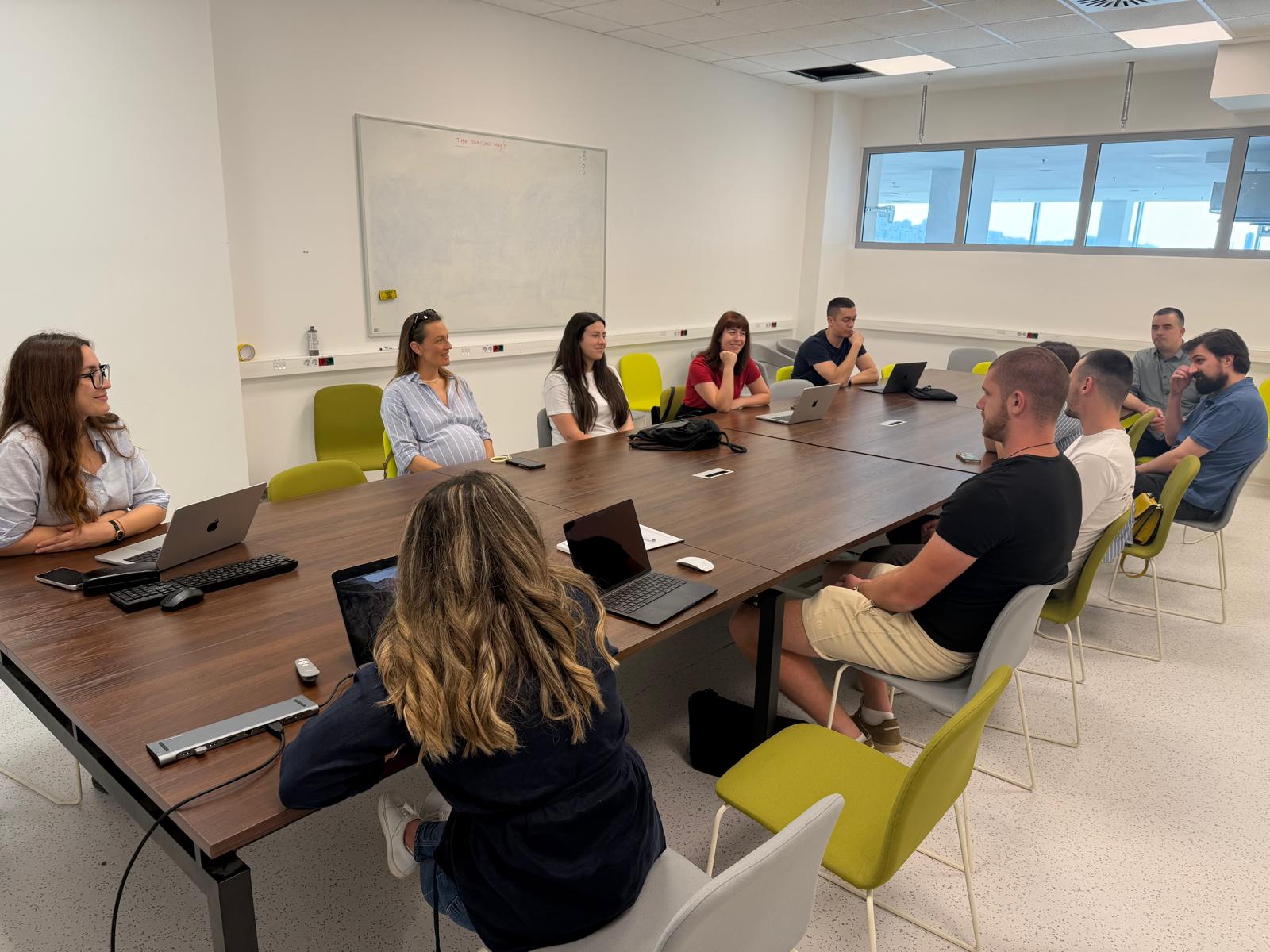
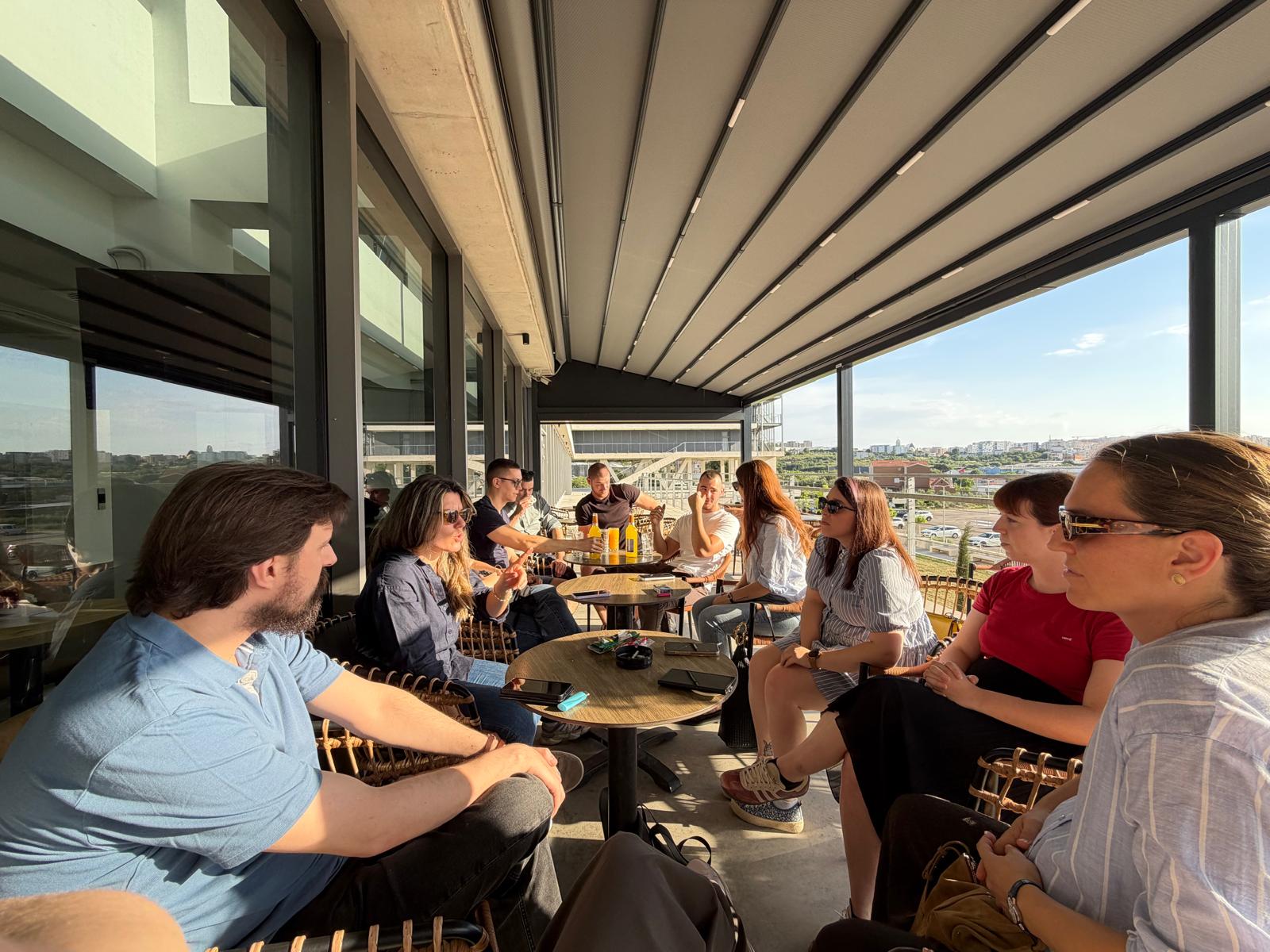
The first gathering in the new format, Innovate Meetup #1, was held on 28 May at the Technology Park. The focus was on developing startup projects, marketing and branding, and networking among participants.

The programme featured:

  • Katarina Lazari, Co-Founder & CEO of the FindYourCoach platform and business development consultant
  • Flor Nieto, marketing and brand strategist with experience in positioning startups and digital projects

Through joint discussion and a mentoring approach, participants had the opportunity to receive concrete advice from a real business environment, work on their own ideas and exchange experiences with other participants.
The meetup focused on project development, marketing and branding approaches, practical advice drawn from experience, and strengthening collaboration and mutual support within the startup community.

Innovate Meetup #2 – intellectual property and the legal foundations of startups
The second gathering in the series, Innovate Meetup #2, held on 18 June, was dedicated to intellectual property and the legal aspects of startup development.
The guest mentor was Frano Barović, a lawyer with experience working with startups, innovative companies and projects based on intellectual property.

In the introductory part of the programme, participants were introduced to key legal concepts important for startup development, including the protection of innovations, brands and copyright works, as well as the most important legal aspects that need to be considered at an early stage of developing business ideas.
The introduction was followed by individual sessions with teams, during which participants presented their projects and received concrete advice and guidance tailored to their specific challenges.

The Innovate Meetup programme continues to provide ongoing support to the startup community through a combination of education, mentoring and hands-on work, with the aim of strengthening entrepreneurial skills and developing innovative projects.

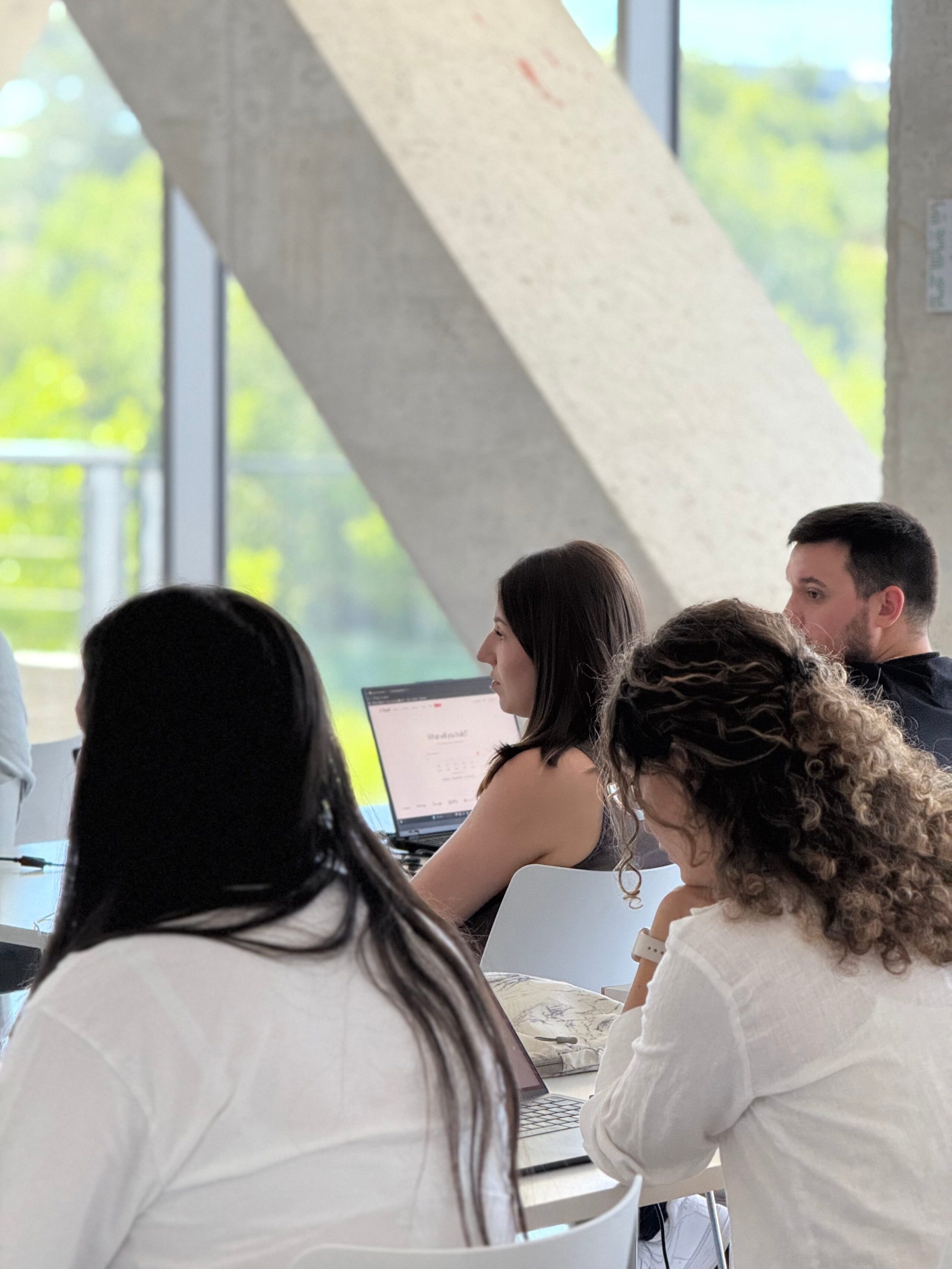
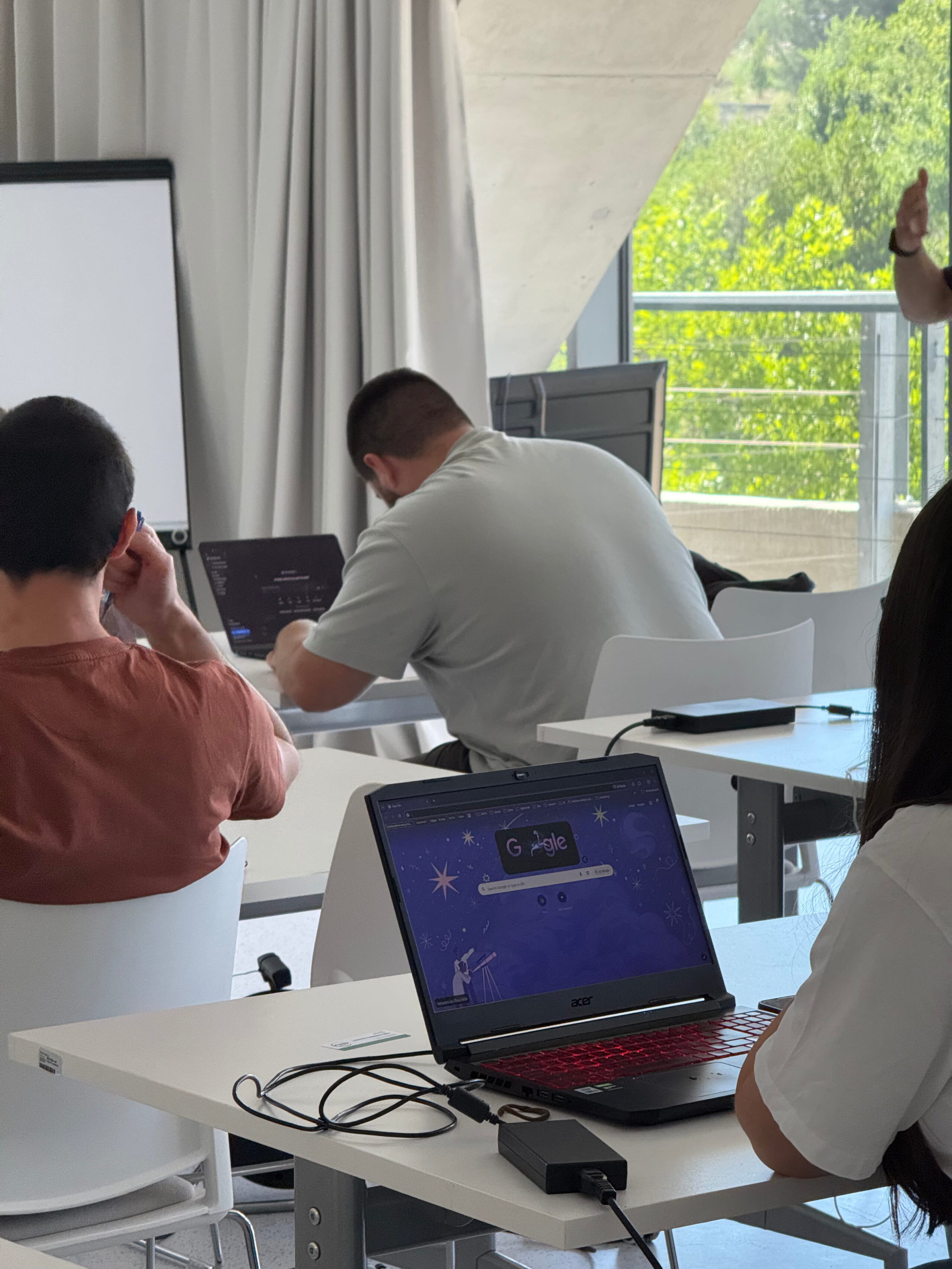
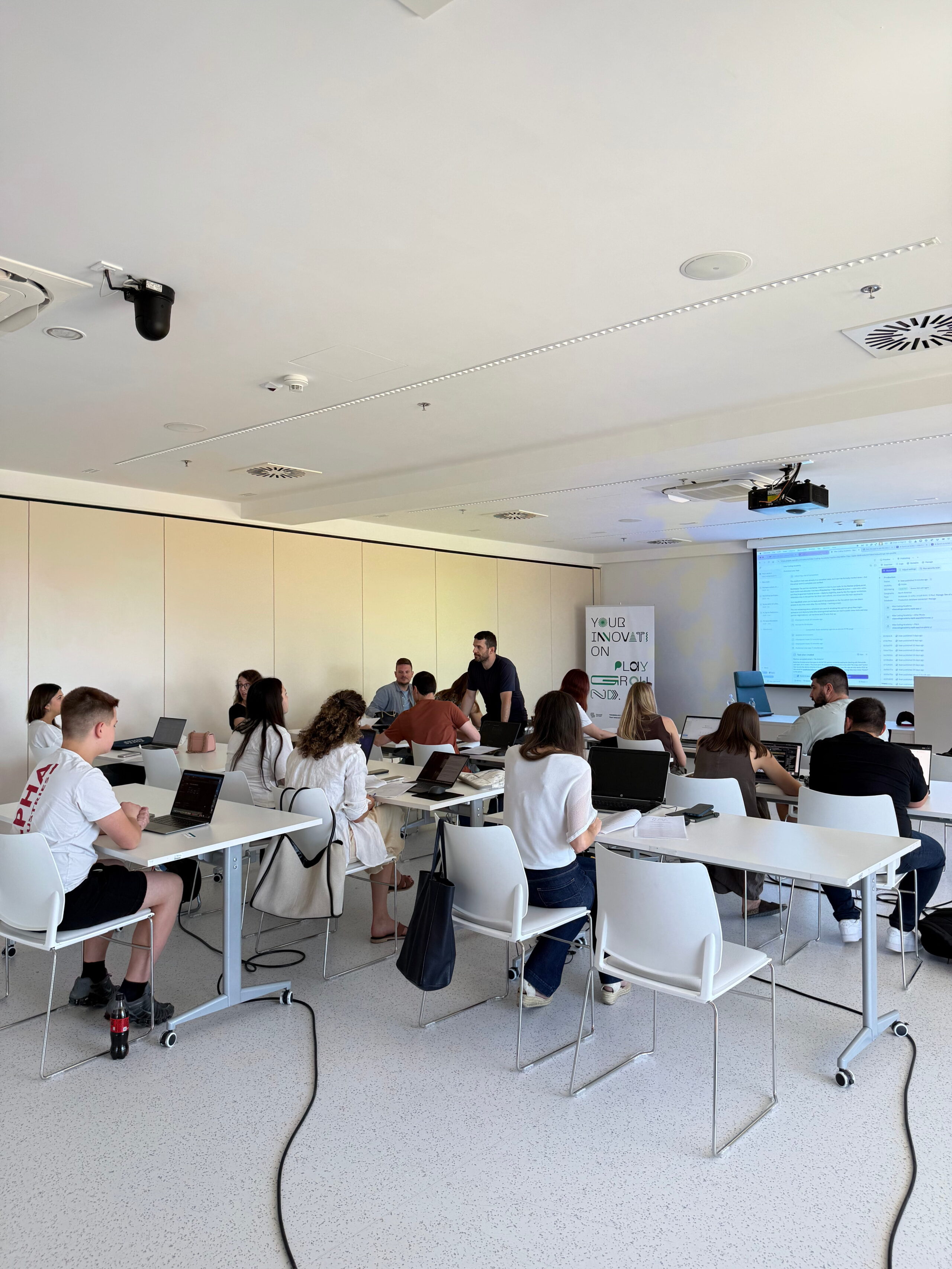
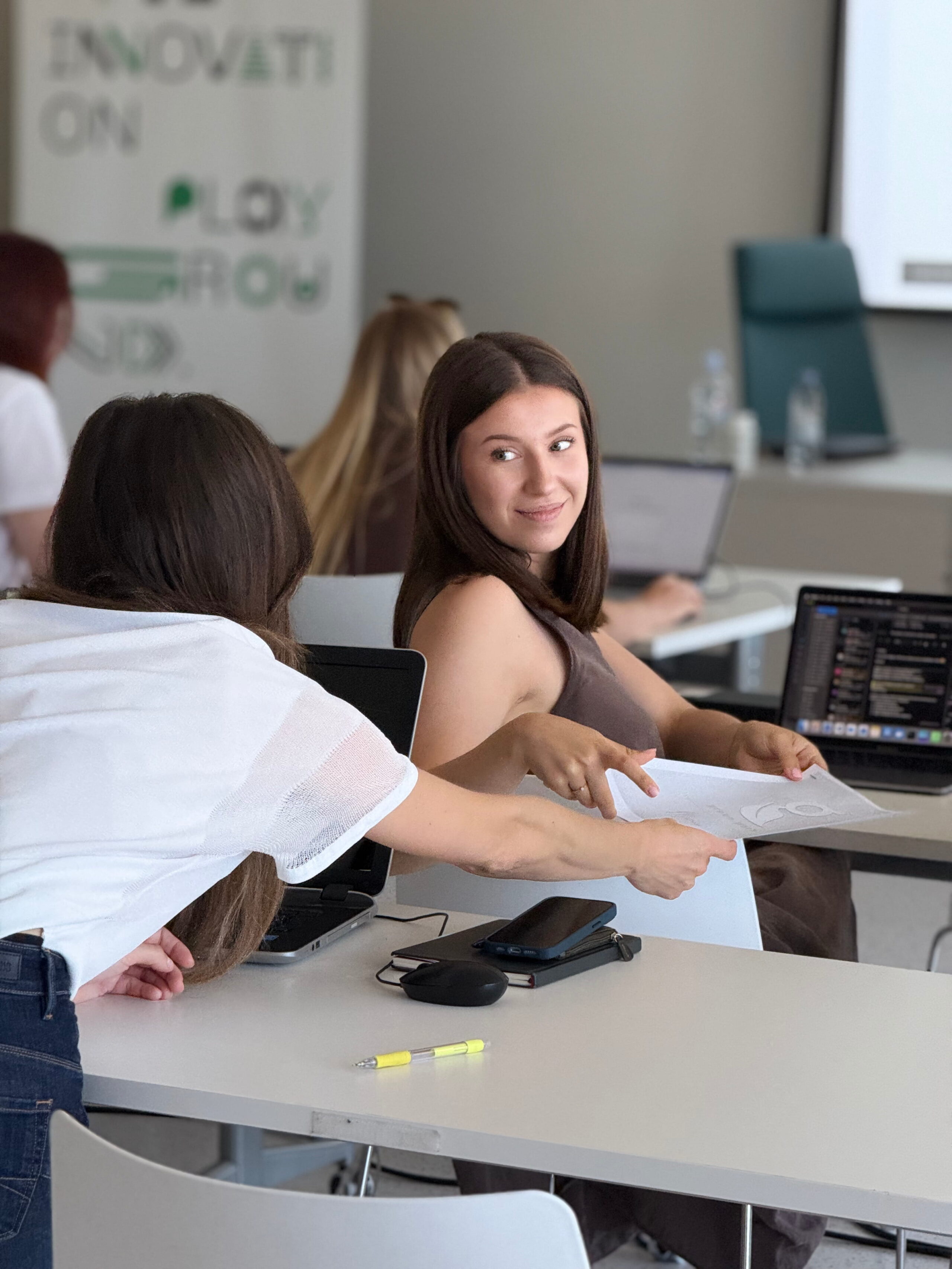
Vibe Coding Workshop Held at Split Technology Park

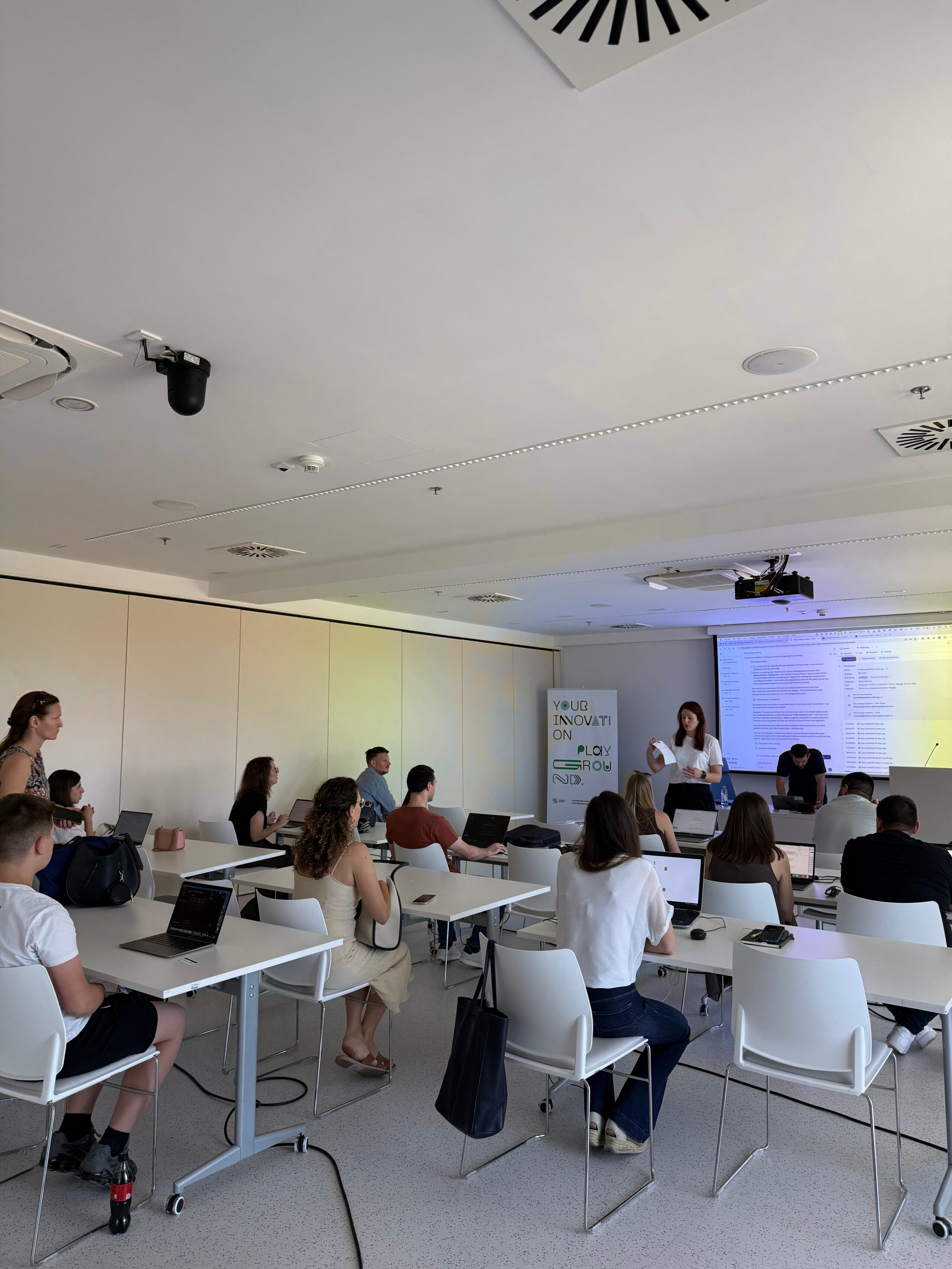
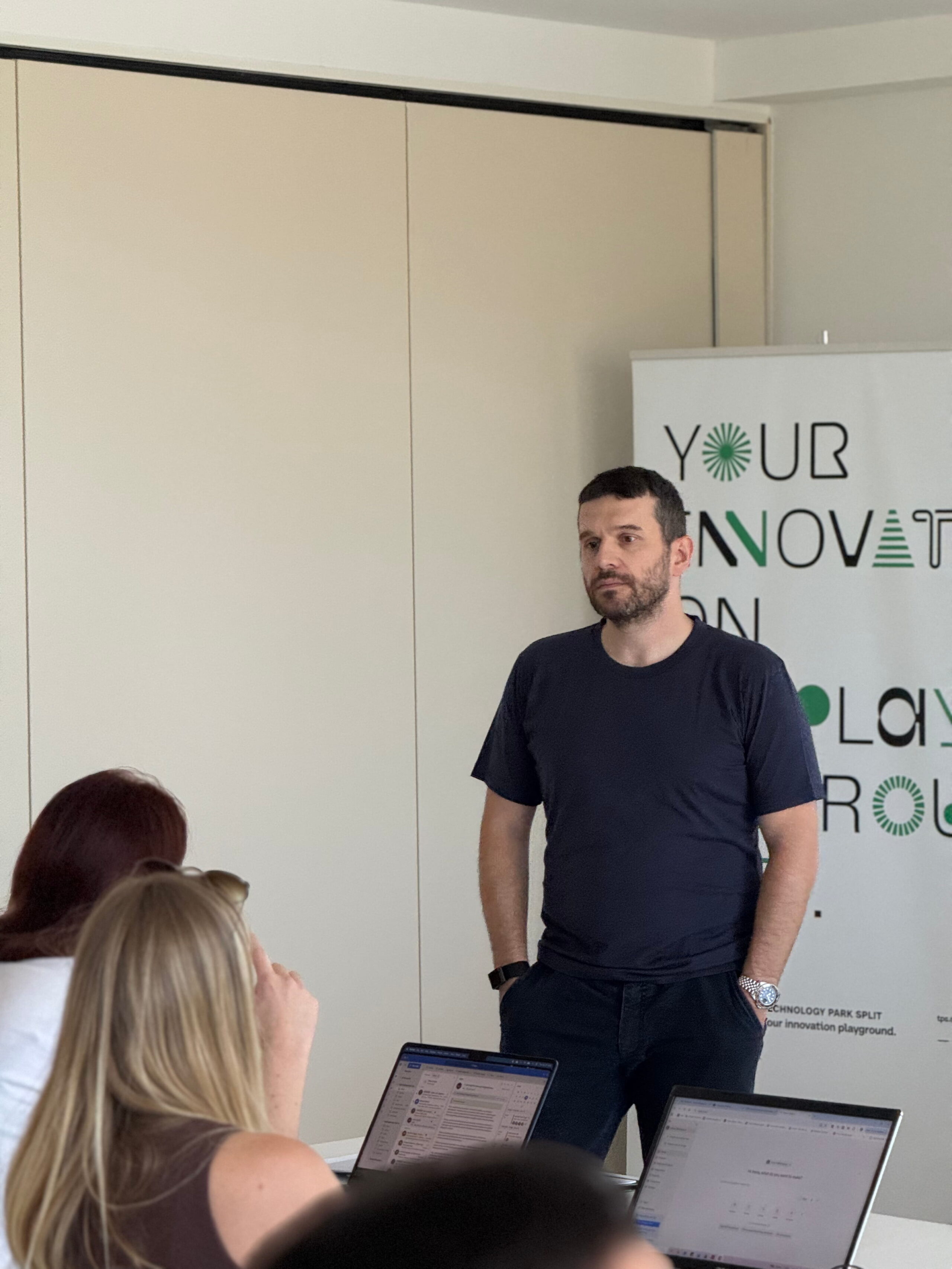
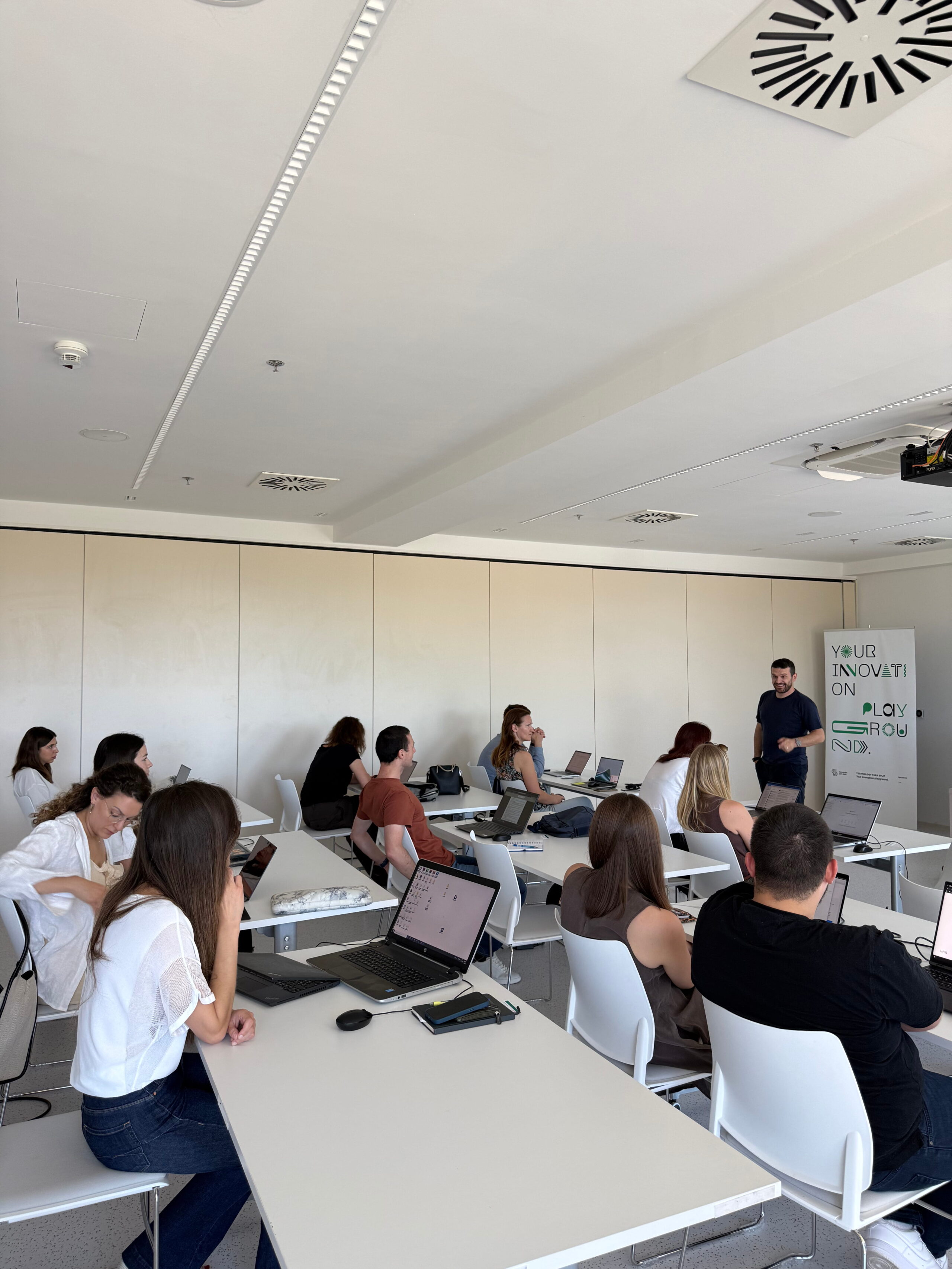
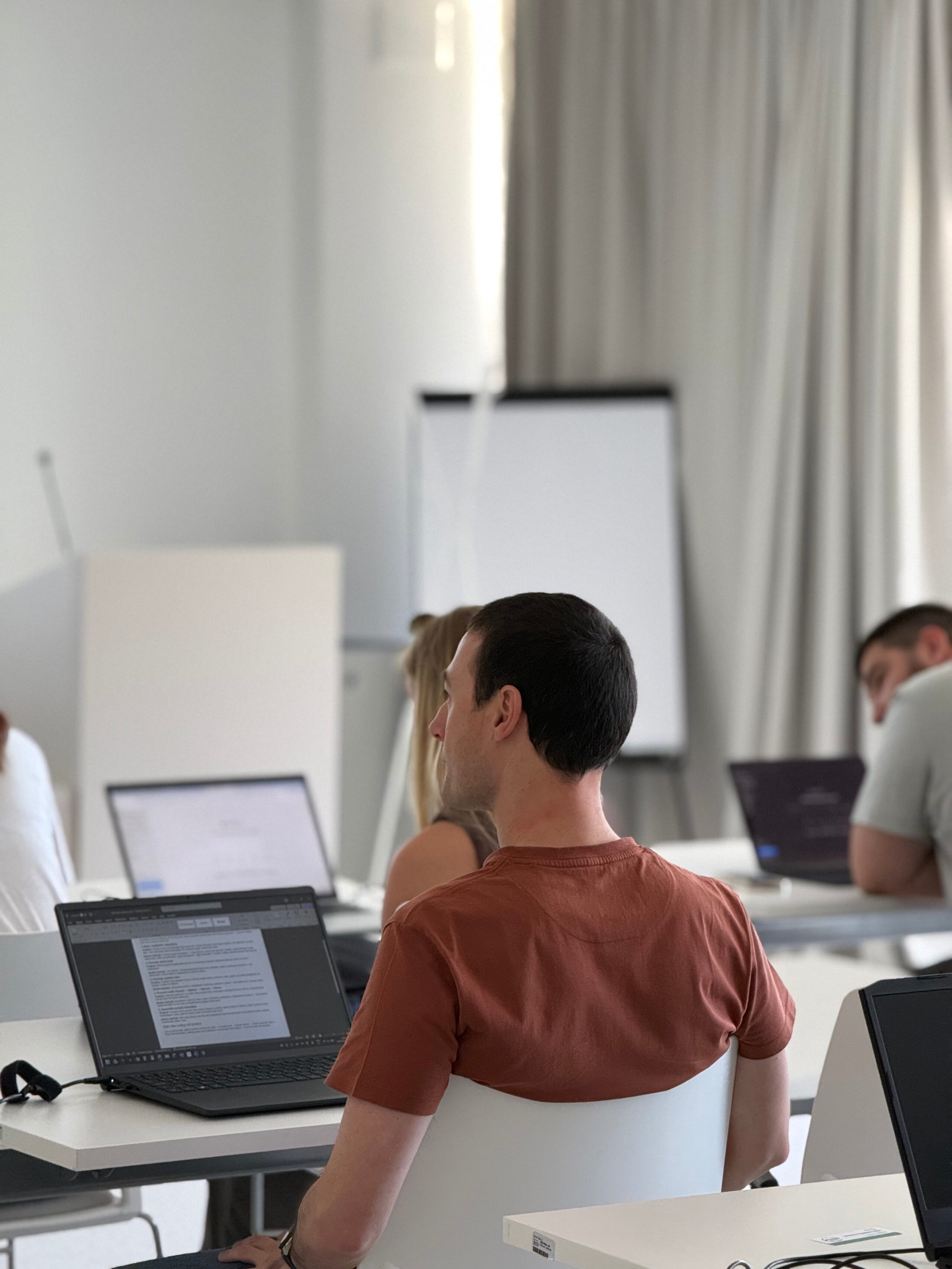
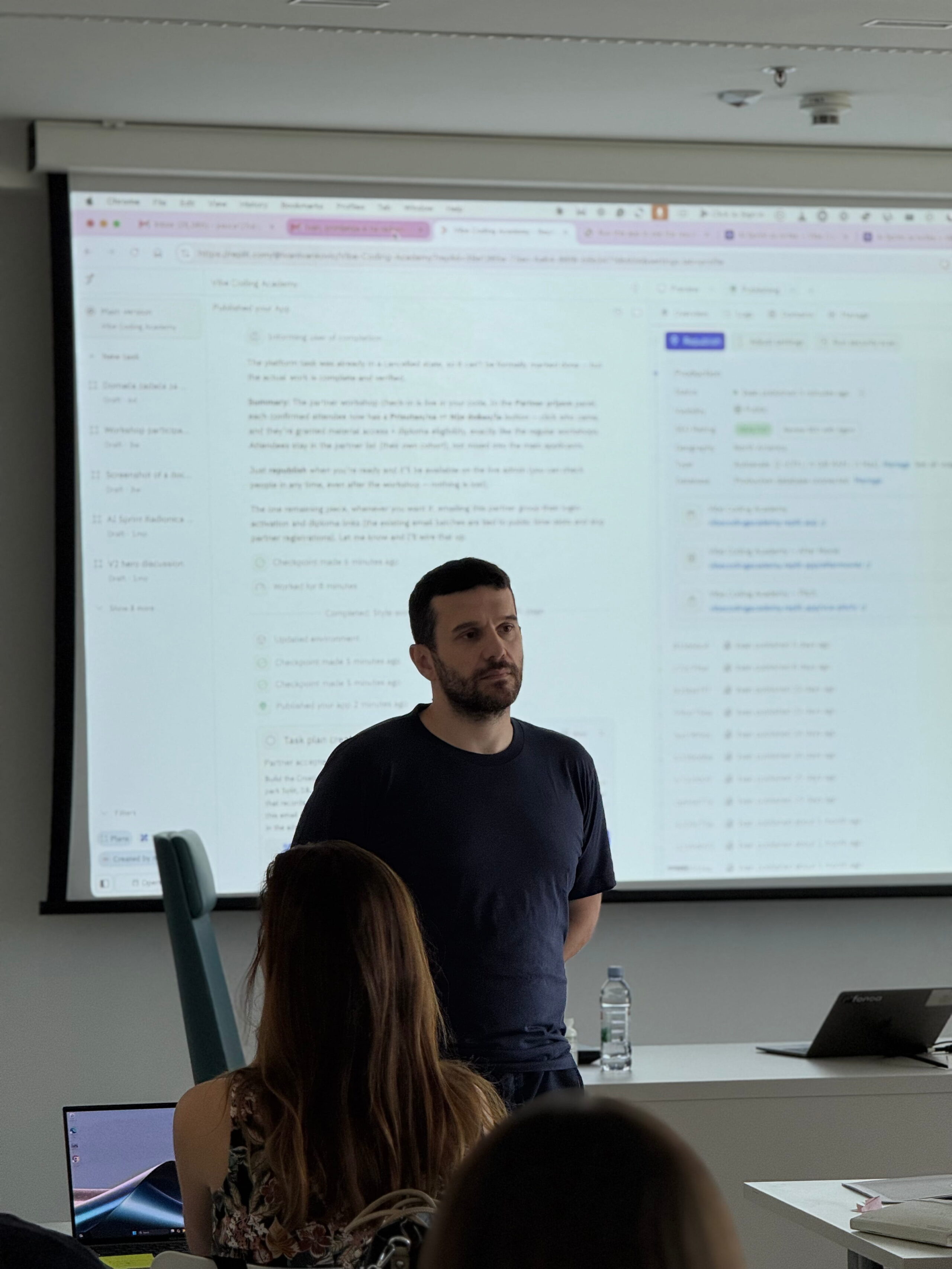
A Vibe Coding workshop was held at Split Technology Park, bringing together entrepreneurs, professionals and anyone interested in the practical application of artificial intelligence in business.

Participants had the opportunity to explore how AI tools can help them develop their own digital solutions and improve everyday business processes, all without any prior programming experience.

The workshop focused on concrete challenges from business practice. Participants first identified the processes they wanted to optimise and then, with mentoring support, worked on developing simple, functional solutions tailored to their own needs. During the workshop, ideas emerged for CRM systems, dashboards and various automations that can make day-to-day work easier.
Particular emphasis was placed on the practical application of artificial intelligence in sales, marketing, project management and the organisation of business processes. The Vibe Coding concept showed once again that modern AI tools have made developing digital solutions more accessible than ever, enabling even people without a technical background to create tools for their own business needs independently.

We would like to thank all participants for their strong interest, active participation and excellent atmosphere throughout the workshop. We are delighted to have hosted at Split Technology Park a programme that brings new technologies closer to people in an accessible, practical way and encourages their use in everyday business.

Summer Sports and Educational STEAM Camp Returns to Split Technology Park

The Split Development Agency, in cooperation with the City of Split and the Children’s Excellence Incubator, is once again organising a summer sports and educational STEAM camp at Split Technology Park this year. The camp will take place in two sessions: from 29 June to 3 July and from 6 to 10 July 2026.

The camp is intended for children aged 7 to 10, i.e. pupils in years 1 to 4 of primary school. Children starting first grade in September 2026 are also taking part. Over the five days of the programme, participants can look forward to a combination of sports activities, educational STEAM workshops and fun content designed to develop creativity, curiosity, team spirit and new skills.

The programme runs daily from 9:00 to 16:00, and lunch is provided for all participants.

The strong interest from parents and children confirms the importance of programmes like this during the summer holidays, and all places in both camp sessions have already been filled.

We look forward to another summer filled with learning, sport, socialising and fun!

Split-Based ELNAV.AI from the Technology Park Develops Technology for Safer Ship Navigation

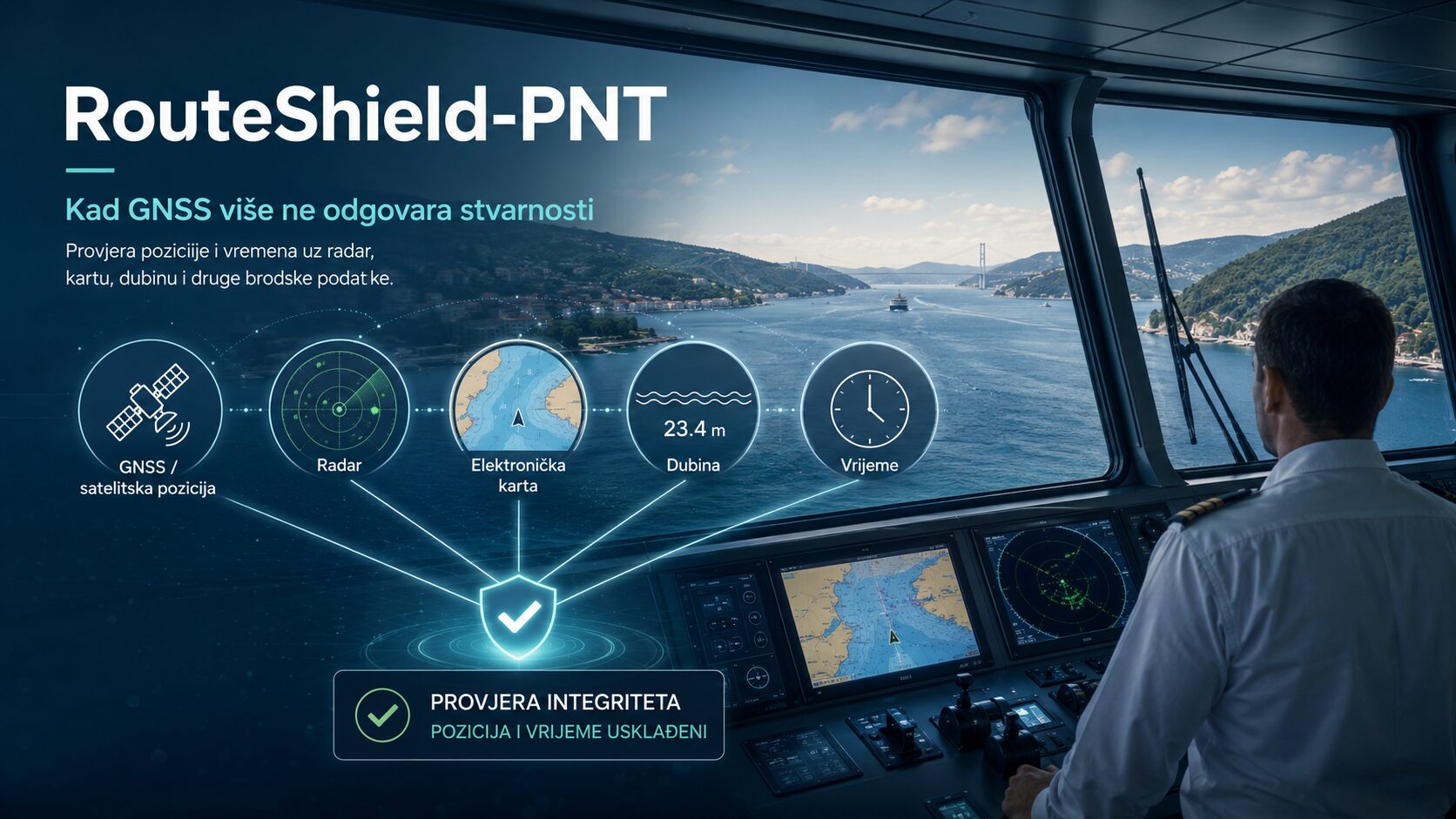
As of 1 June 2026, ELNAV.AI d.o.o. is a formal tenant of Split Technology Park. In the same period, the company is starting a new development phase of the RouteShield-PNT project, co-financed through DIGIT.2.2.01 – Seal of Excellence under the Synergies Program. This is a civilian research and development project in the field of maritime safety, focused on developing technology that helps the ship’s bridge recognise when GNSS position or time can no longer be trusted.

Most people refer to satellite navigation as GPS in everyday life. In the maritime sector, the broader term GNSS is more commonly used, covering several satellite navigation systems. On ships, this data is used to display position, plan routes, monitor movement and perform a range of other functions. Under normal conditions, the system works almost imperceptibly. The problem arises when the signal is jammed or spoofed, or when the ship receives data that looks plausible but no longer corresponds to its actual position.

This is exactly what RouteShield-PNT addresses. The system ELNAV.AI is developing will not rely on a single source of information. Instead, it will compare GNSS position and time against independent shipboard evidence: radar, the electronic navigational chart, an estimate of the ship’s motion, the echo sounder and an independent time reference. If these sources no longer agree, the system should alert the crew in a clear and standardised way.

In other words, if satellite navigation says “the ship is here”, but the radar, the chart, the depth and the ship’s movement show that this picture does not match, the bridge needs to know in time. RouteShield-PNT is conceived as an additional safety layer that helps the crew recognise risk earlier, reduce uncertainty and stay in control of decisions on the bridge.

It is important to stress that the system does not replace the officer, the master or existing navigation procedures. Its role is to help the crew spot inconsistencies more quickly that, in a complex situation, would be difficult to check manually fast enough. In the maritime sector, reaction time is often critical, especially in coastal navigation, port approaches, narrow passages and areas of heavy traffic.

Current events around the Strait of Hormuz clearly show the wider public why navigation resilience is no longer just a narrow technical issue. When important shipping routes come under the pressure of a security crisis, navigation no longer depends only on the ship, the crew and the weather. The reliability of navigation data, the security of communications, transit rules, insurance, risk to the crew and the ship’s ability to clearly understand its own situation all become important.

The RouteShield-PNT project previously underwent international evaluation under the Horizon Europe programme and was awarded the Seal of Excellence, the European quality label for projects that have passed the programme’s evaluation thresholds. Co-financing through DIGIT makes it possible to continue developing this kind of technology from Croatia – specifically from Split, a city with a strong maritime tradition and increasingly pronounced technological ambitions.

For ELNAV.AI, this is a continuation of a broader development direction: technologies for the ship’s bridge that help people before a risk turns into an incident. The company is already developing solutions focused on crew support and safety-critical decisions on the bridge, and RouteShield-PNT opens up a new area of specialisation in resilient PNT, i.e. resilient positioning, navigation and timing.

During project implementation, ELNAV.AI will work on engineering development, laboratory testing, preparation of a pilot system, validation in relevant maritime conditions, and dialogue with operators, marine equipment manufacturers and other maritime safety stakeholders. The expected result is a pilot-ready system that can be developed as a standalone device for existing ships or as a module that can in future be integrated into wider shipboard systems.

For Split Technology Park, the arrival of a project like this is yet another example of a high-tech product being developed within the local innovation environment. RouteShield-PNT brings together maritime experience, software development, safety engineering and Europe’s need for more resilient navigation systems. At a time when global trade and security increasingly meet at sea, projects like this show that relevant solutions can also be developed in Split.

For readers who want a deeper understanding of resilient positioning, navigation and timing, the ELNAV.AI white paper is also available: RouteShield-PNT white paper

The RouteShield-PNT project is co-financed by grants under DIGIT.2.2.01 – Seal of Excellence under the Synergies Program. The DIGIT Project is financed through Loan Agreement No. 9558-HR between the Republic of Croatia and the International Bank for Reconstruction and Development, part of the World Bank Group. The Ministry of Science, Education and Youth and the Croatian Science Foundation are involved in its implementation.

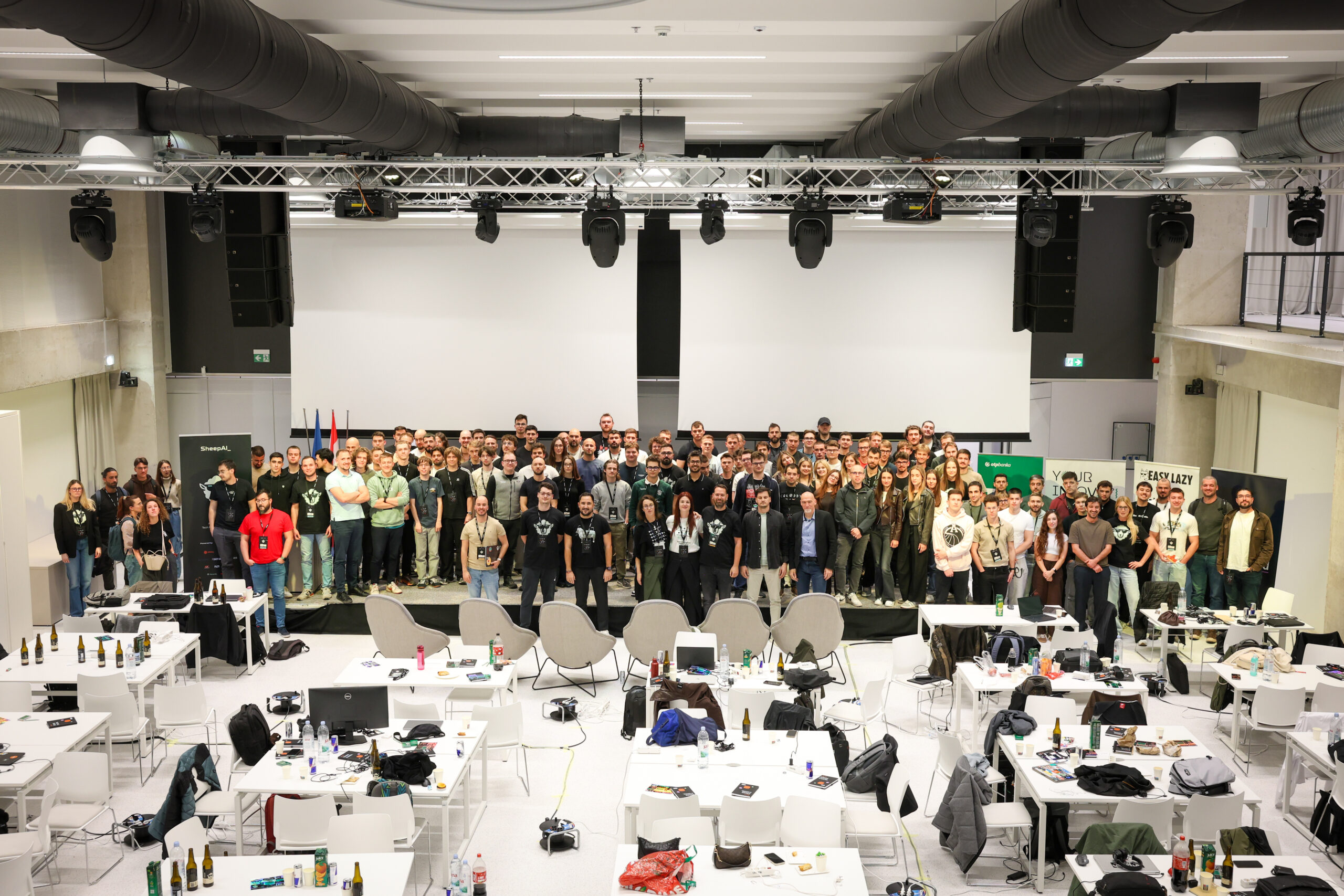
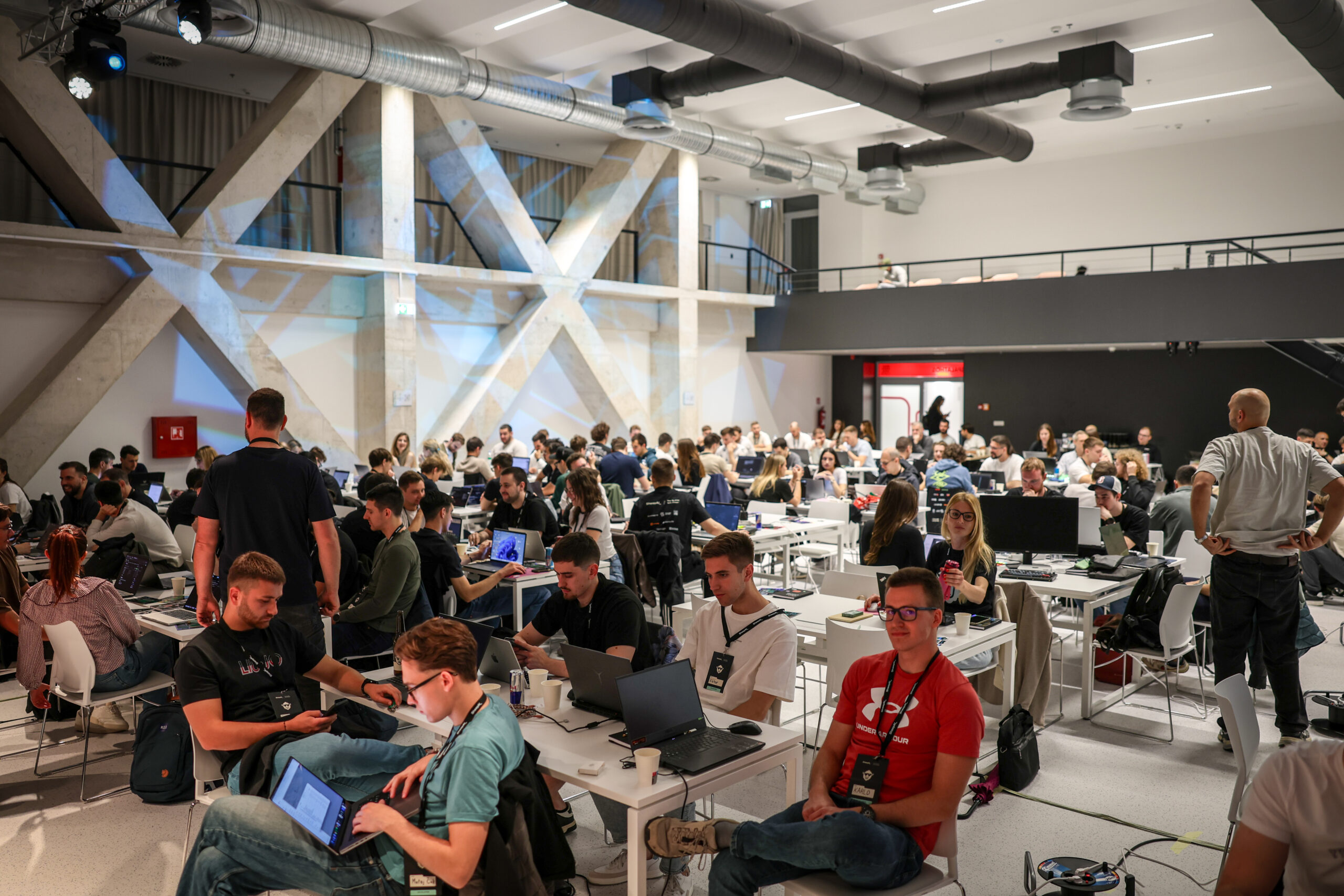
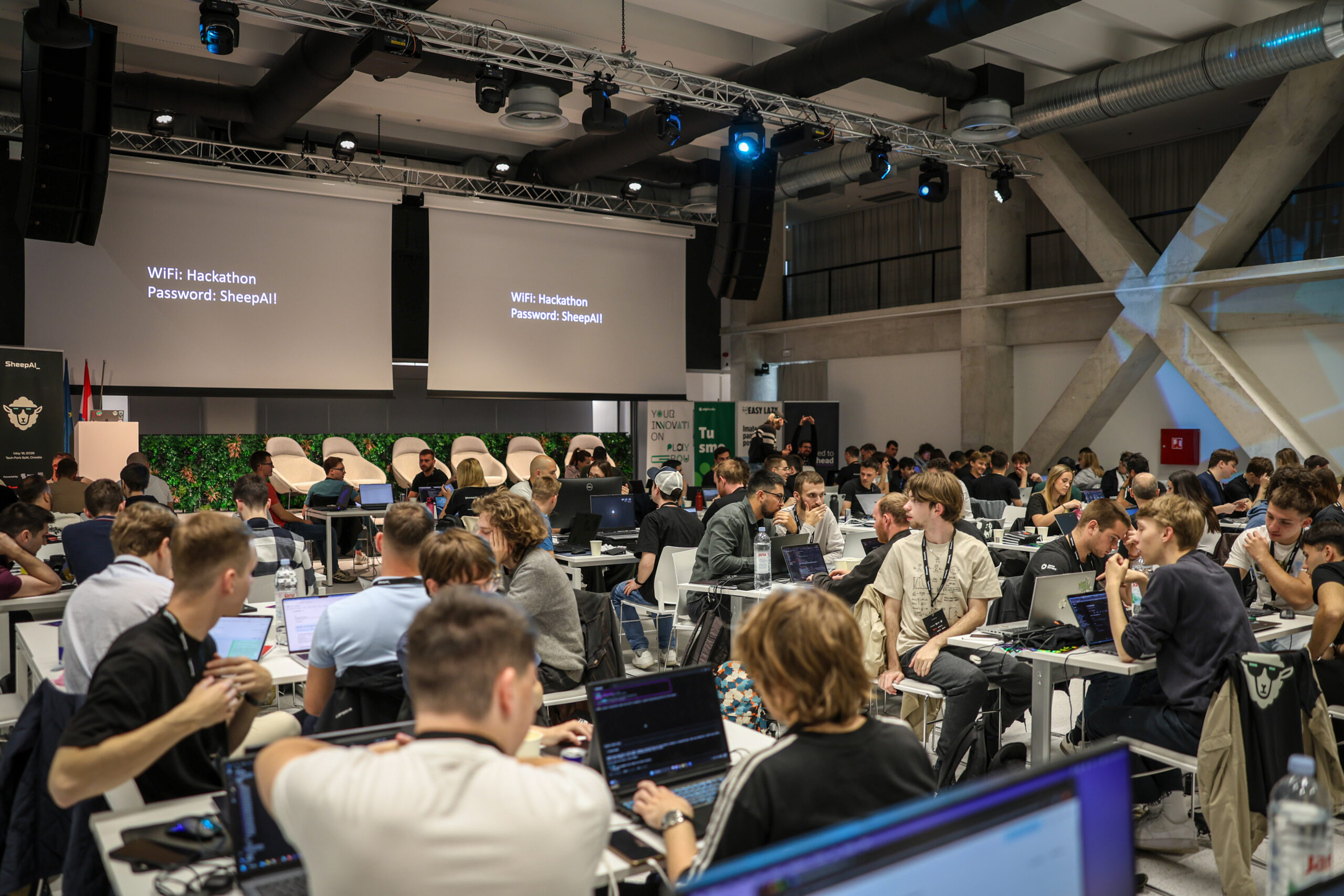
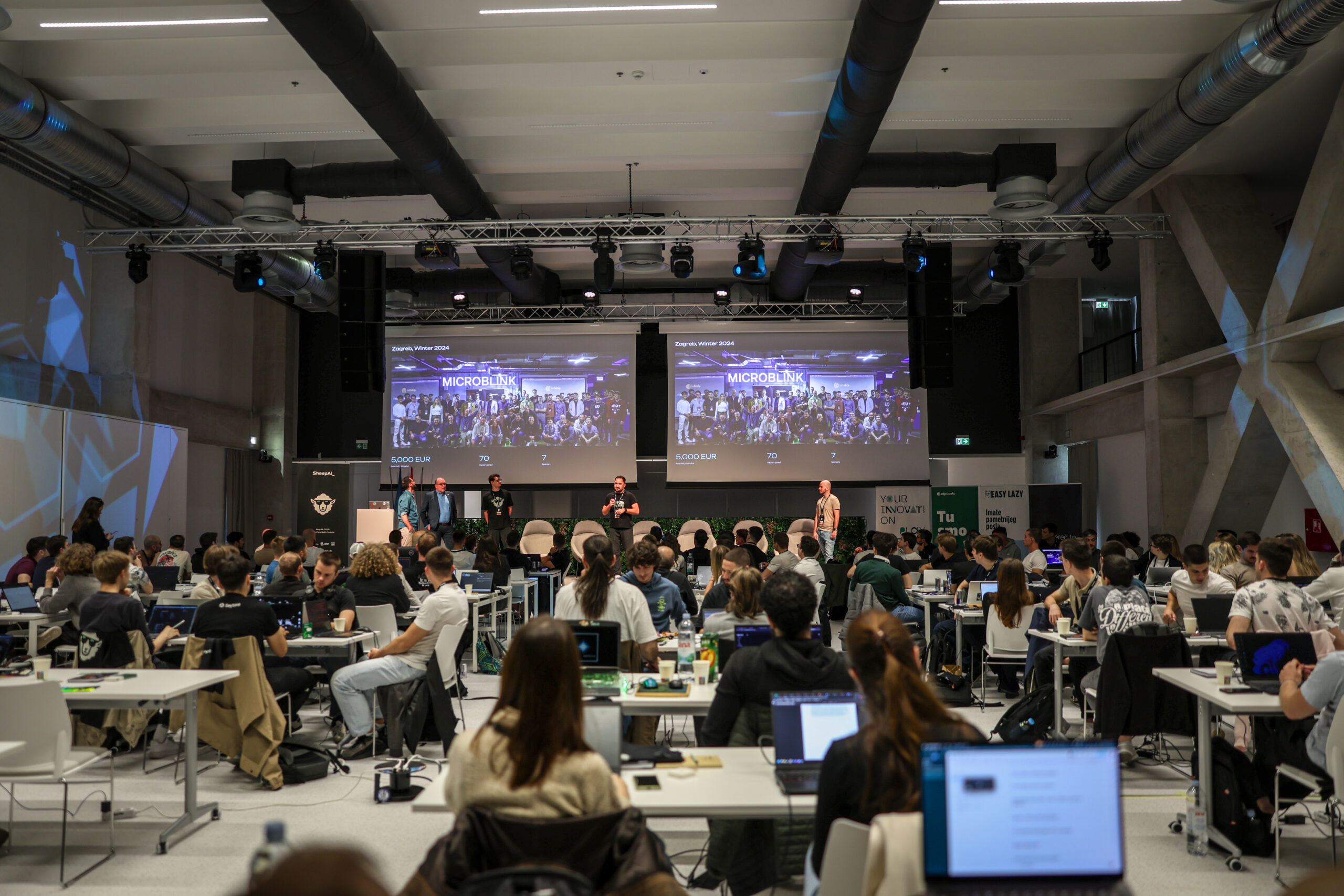
SheepAI Hackathon at Split Technology Park Brings Together More Than 150 Participants: Team Splitko Takes the Win

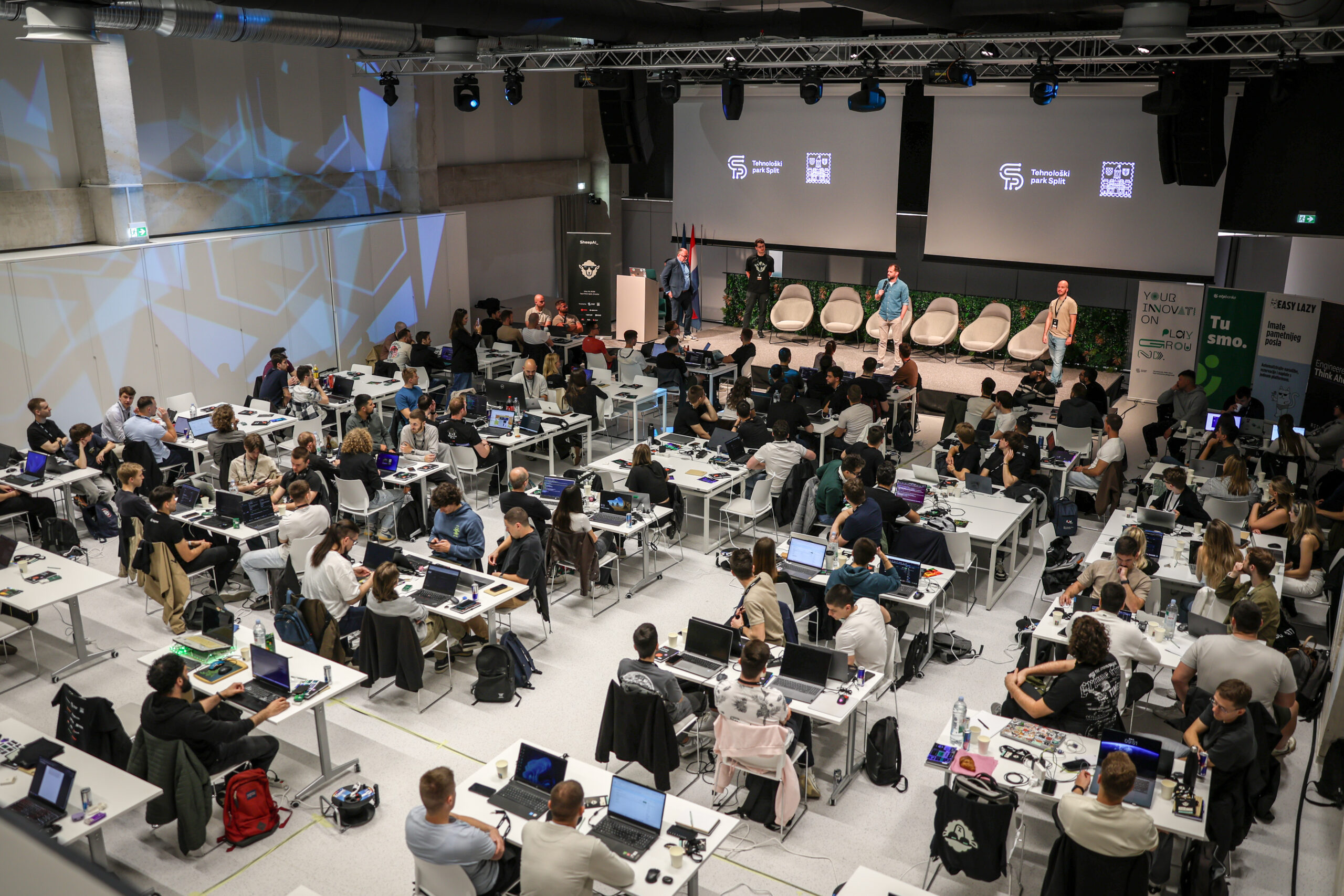
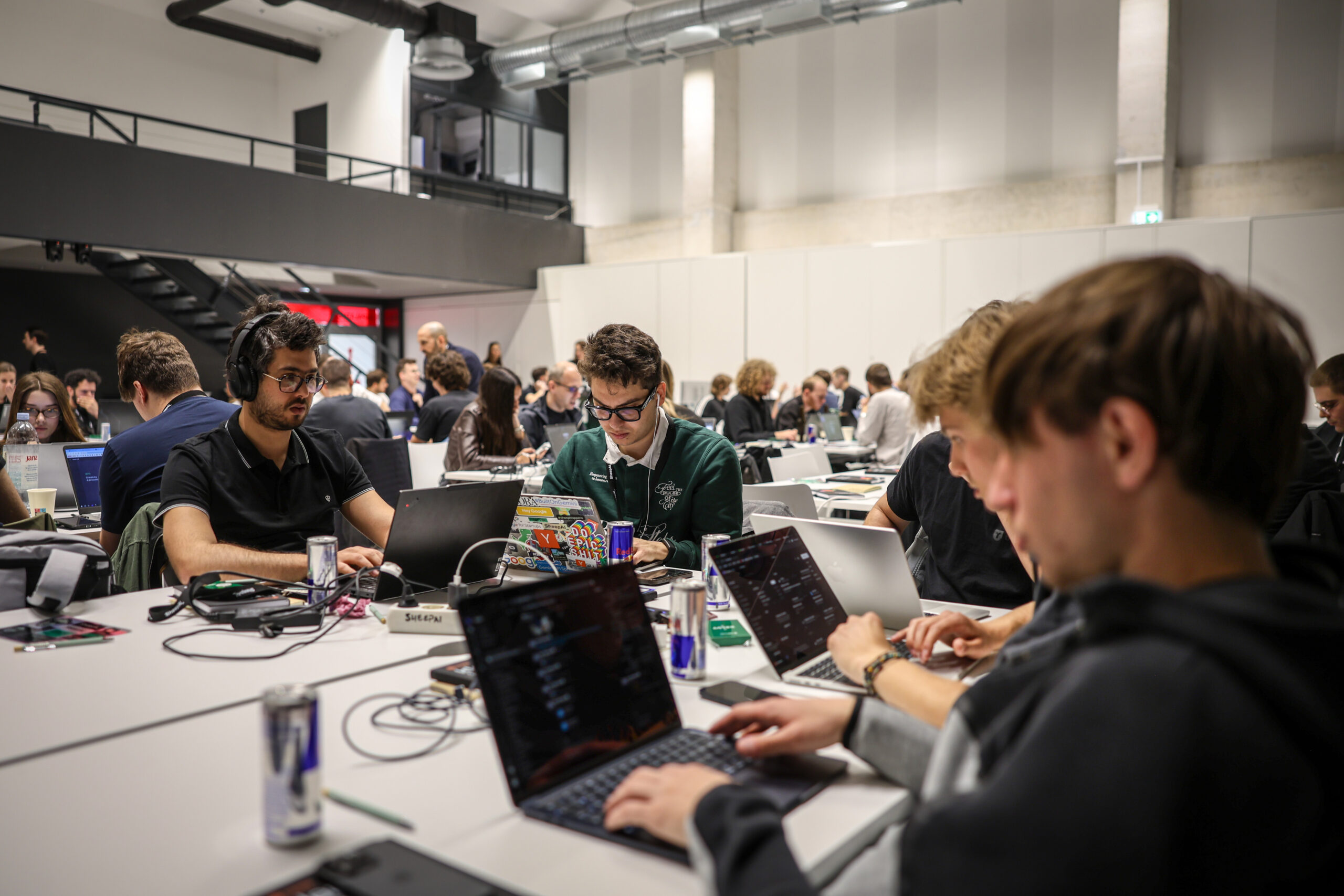
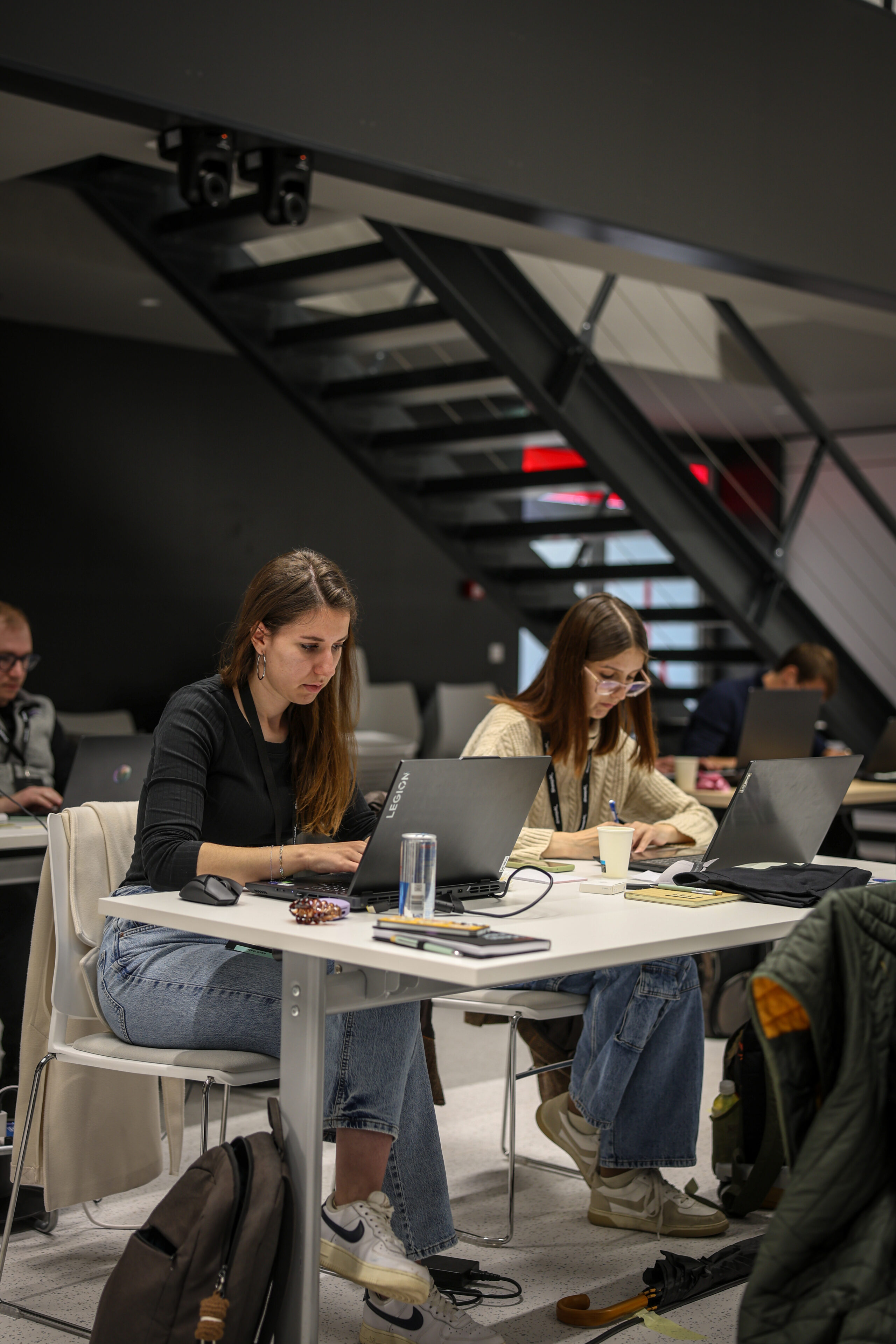
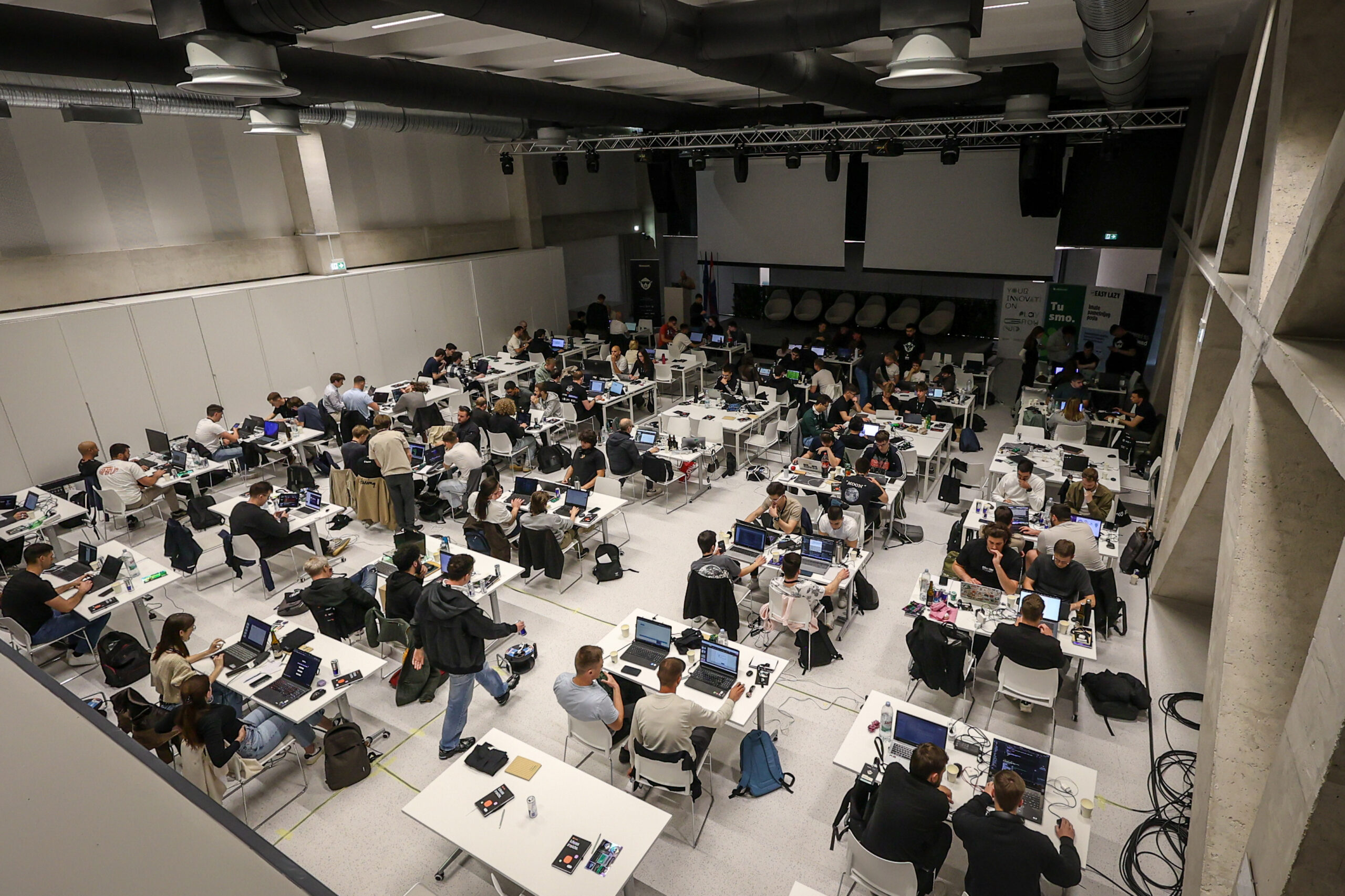
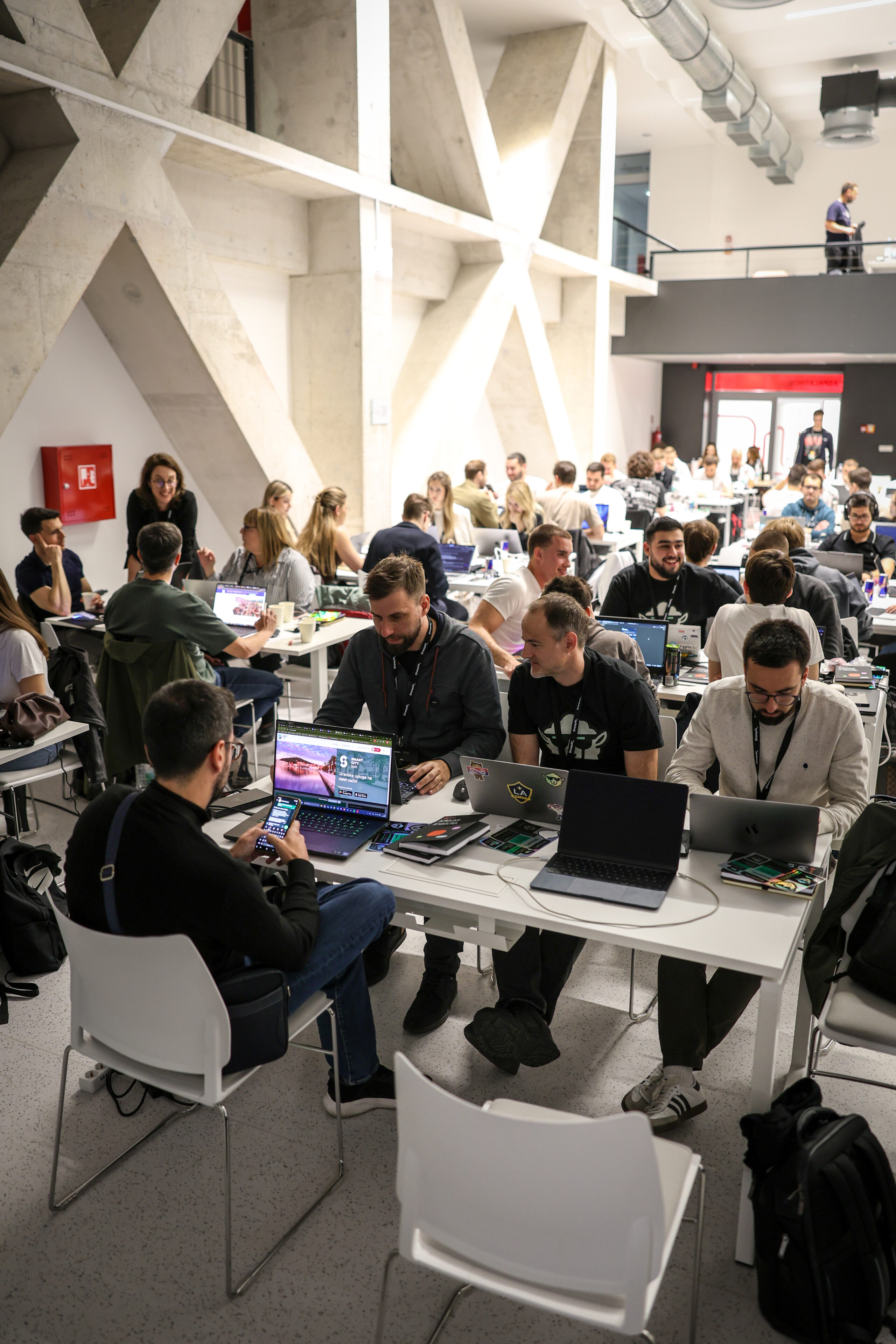
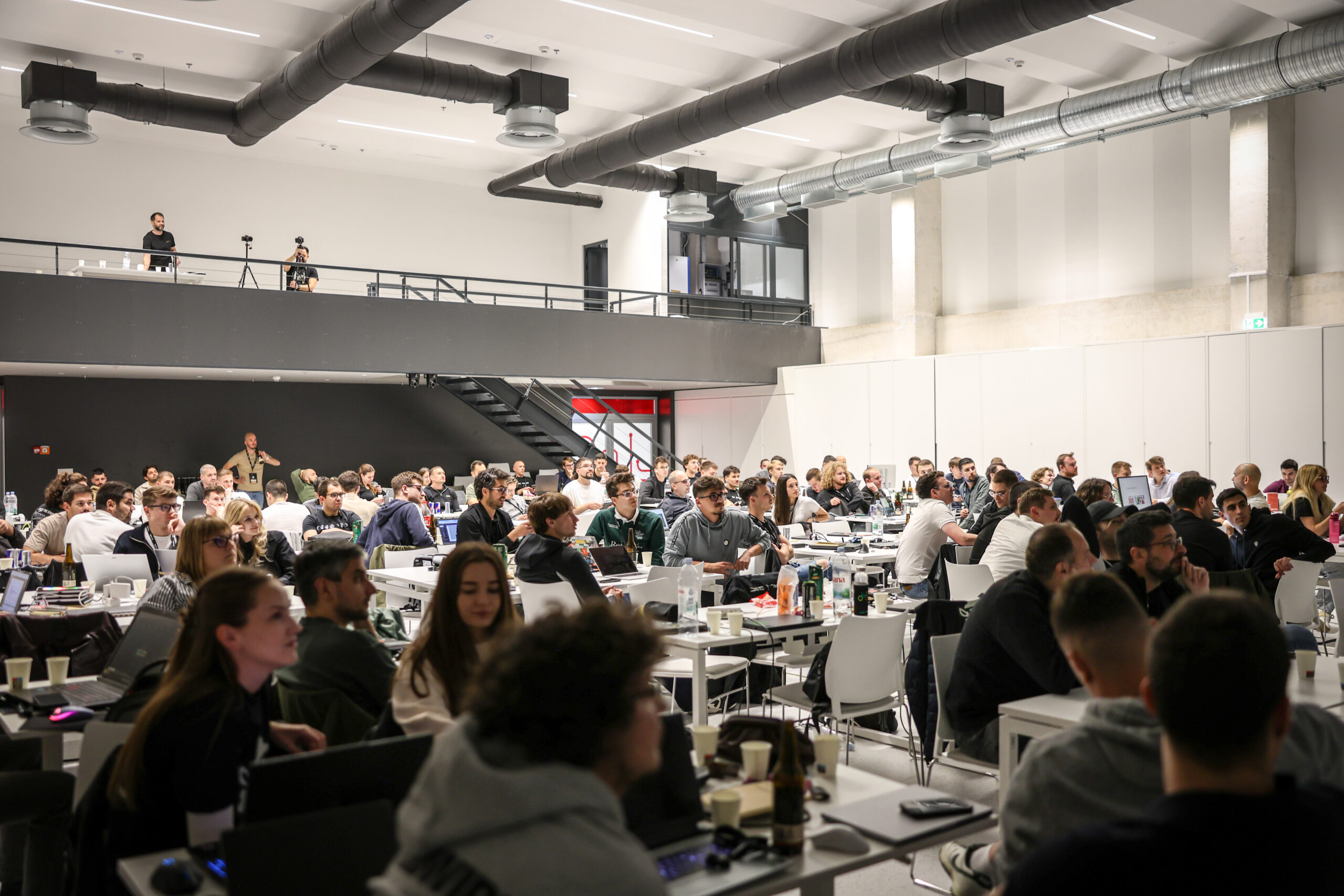
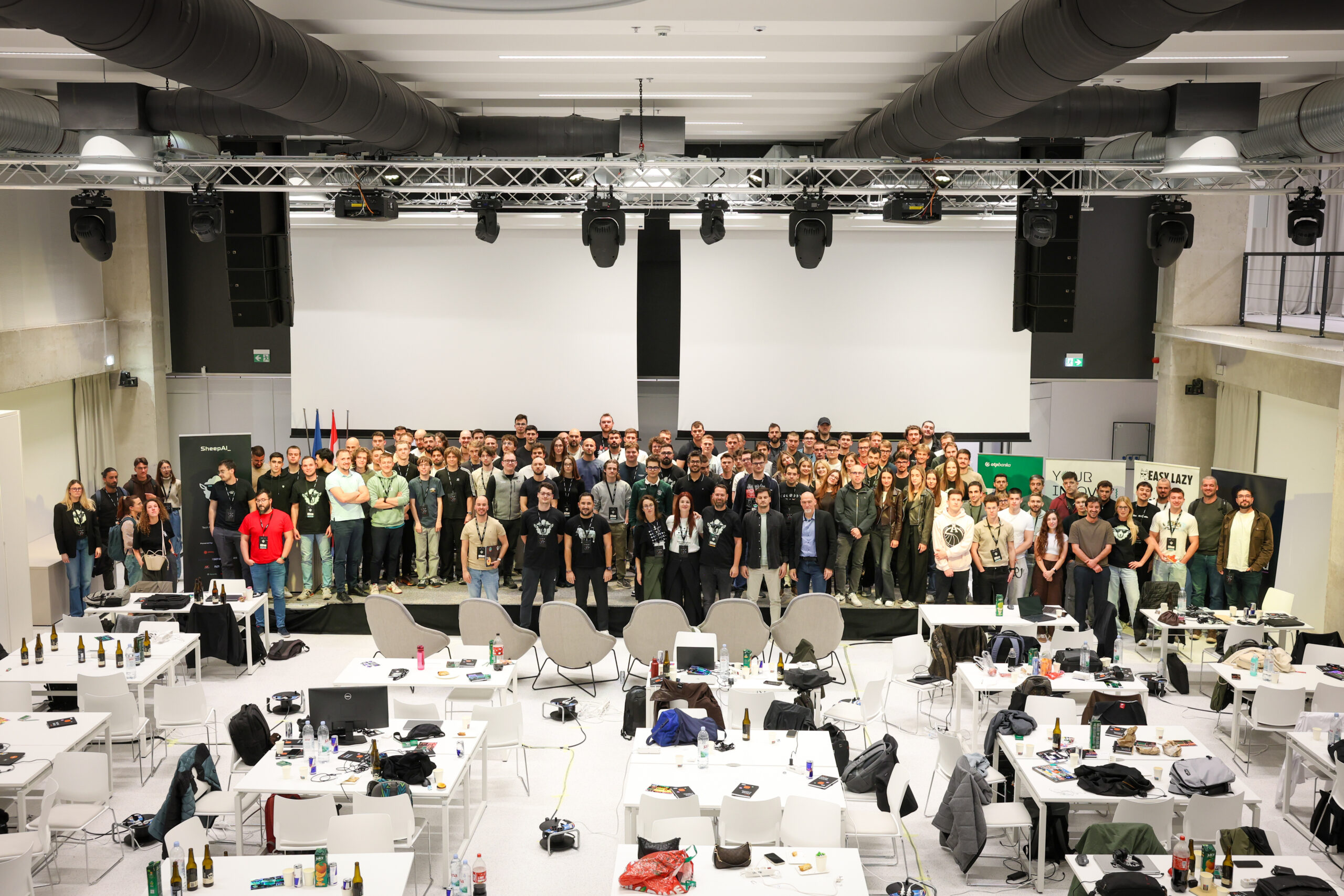
Split Technology Park hosted the SheepAI Hackathon, the largest AI hackathon ever organised in Croatia, which brought together more than 150 participants from Croatia and the region. During the one-day competition, developers, designers, startup and product teams developed AI solutions to everyday urban challenges under the theme “Let’s Make Split Better”, competing for a prize fund of EUR 15,000.

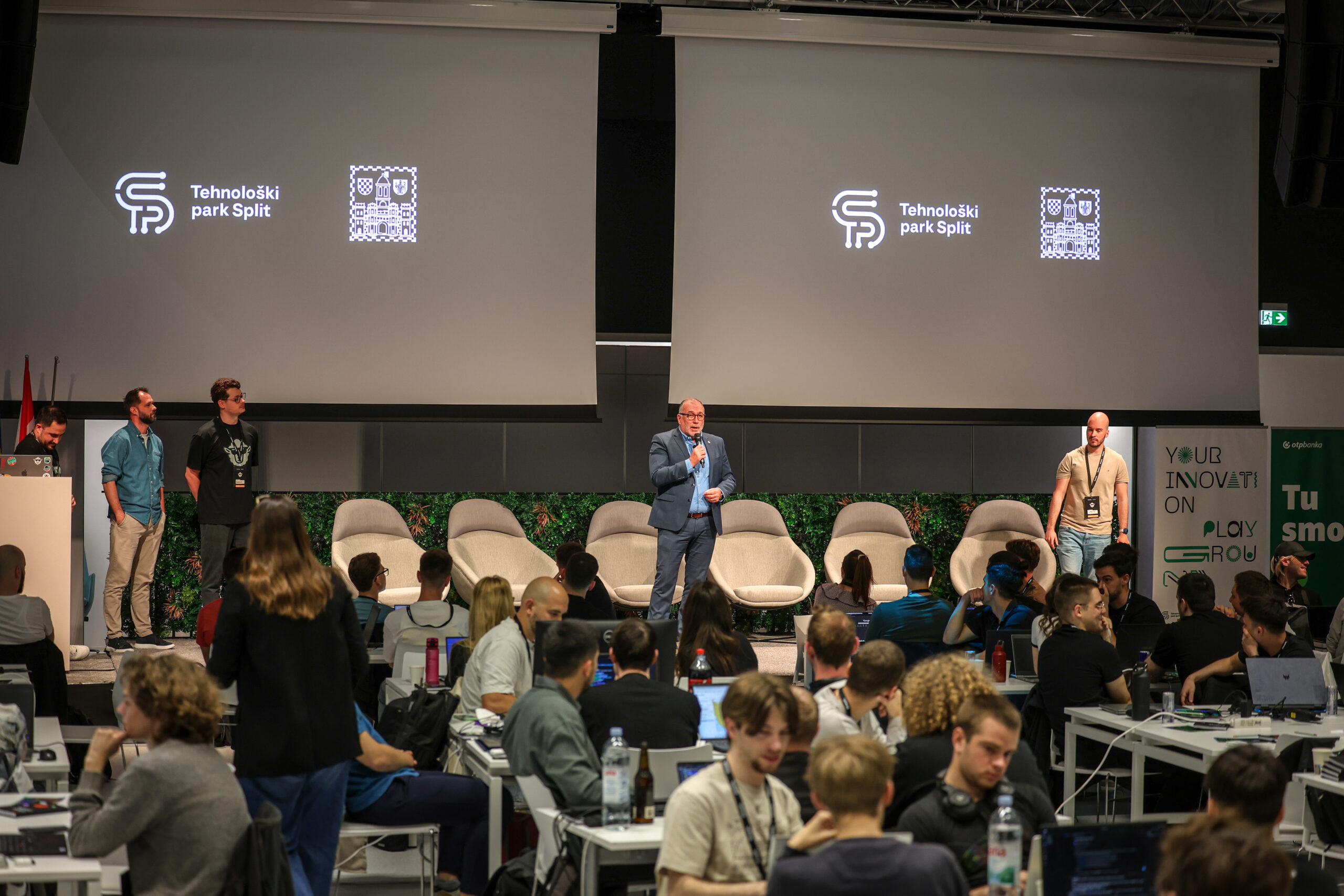
The hackathon was organised by SheepAI, Split Technology Park and the City of Split with the aim of strengthening the local and regional AI and tech community and encouraging the development of concrete solutions based on artificial intelligence. The event was opened by representatives of the organisers, Split Development Agency – RaST and the City of Split.
During the hackathon, participants developed prototypes focused on the everyday life of the city, public services, tourism, mobility, communication with citizens and the use of city data. The solutions presented showed how artificial intelligence can help make communication between citizens and the public administration simpler, manage tourist crowds, report municipal issues and develop new digital services for the city.

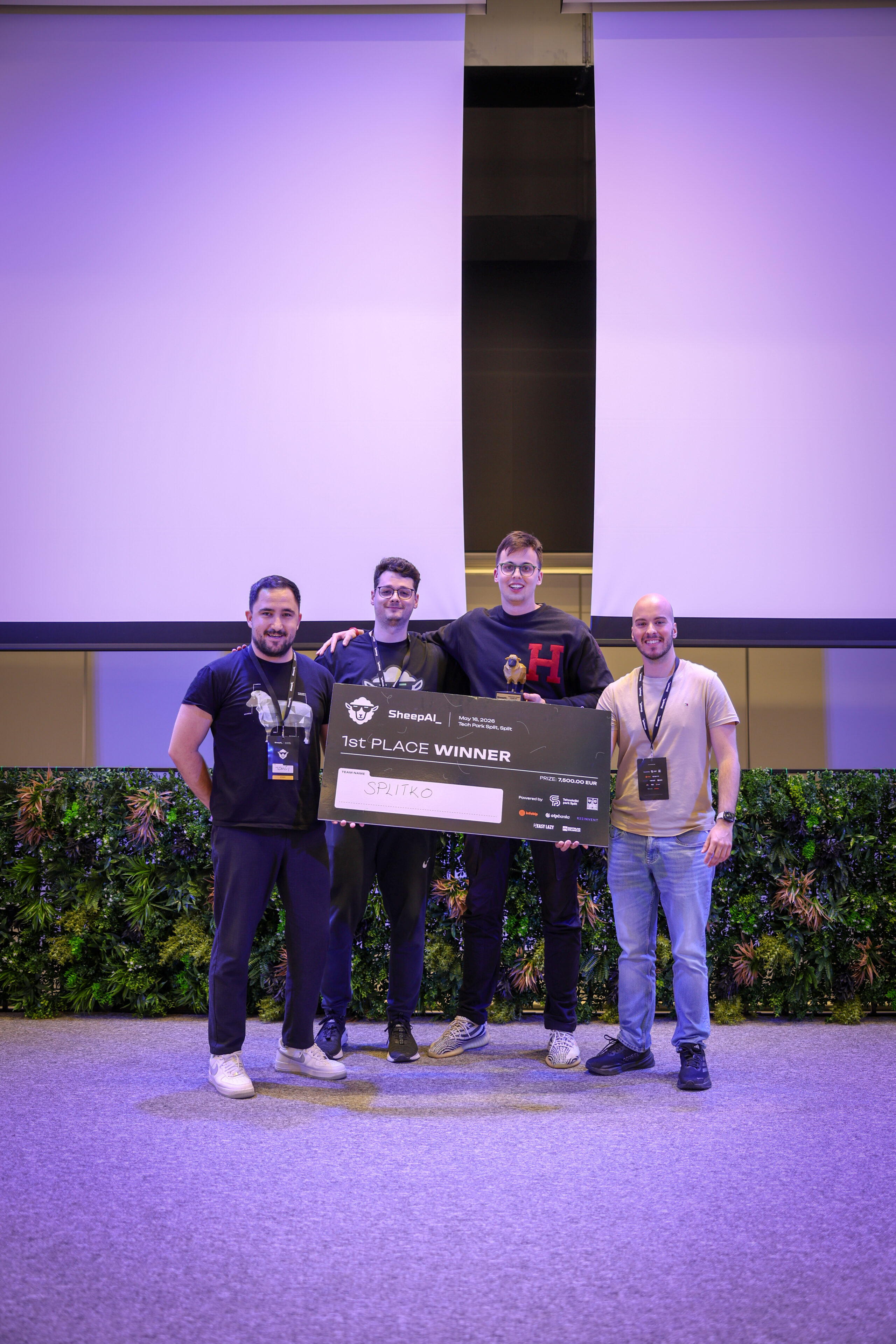
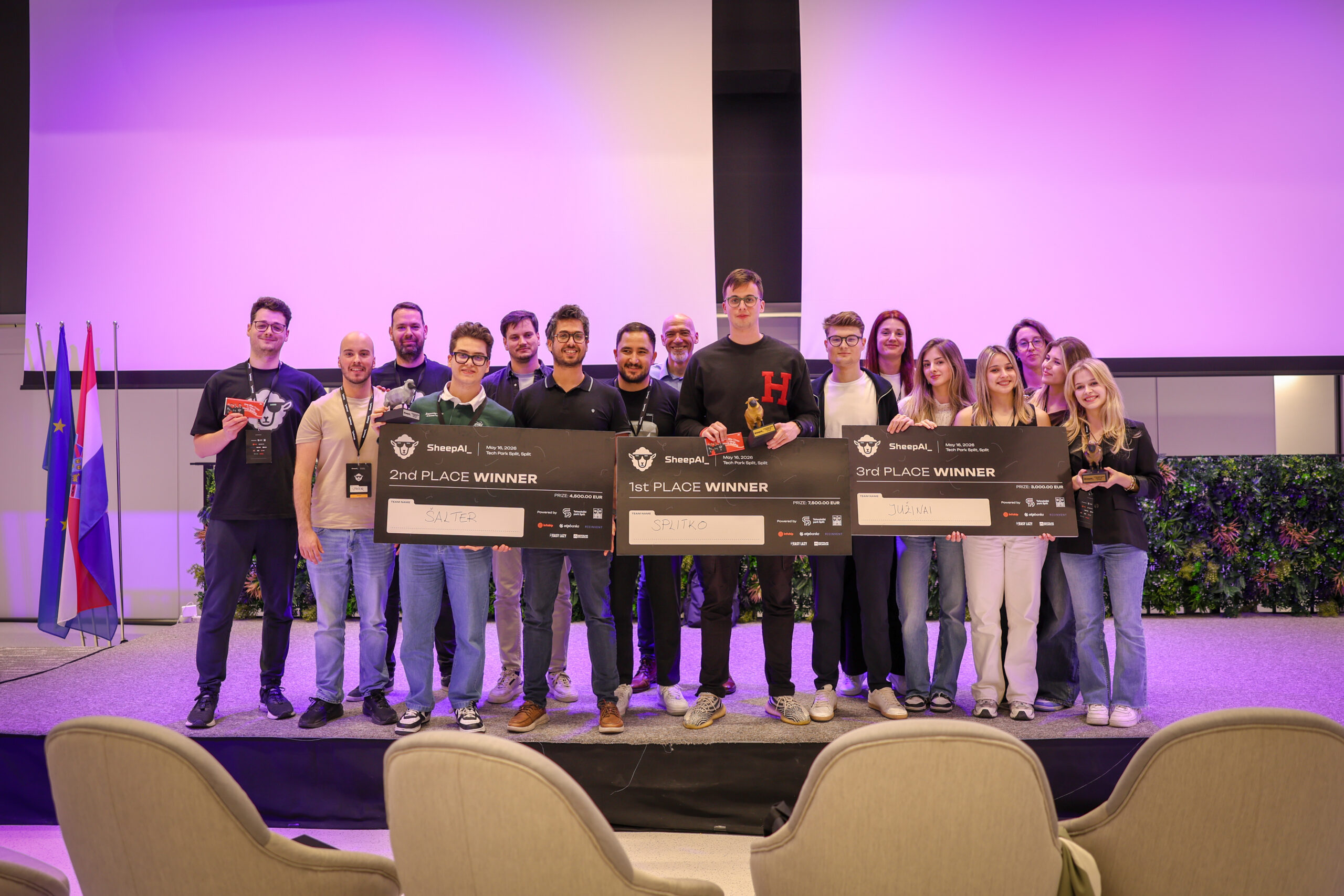
First place went to team Splitko, which developed the concept of a city AI assistant and data orchestrator. The solution brings together various public and city data sources and presents them to citizens and services through a conversational interface, a dashboard, WhatsApp or a telephone channel, with the aim of simplifying access to information and city services.

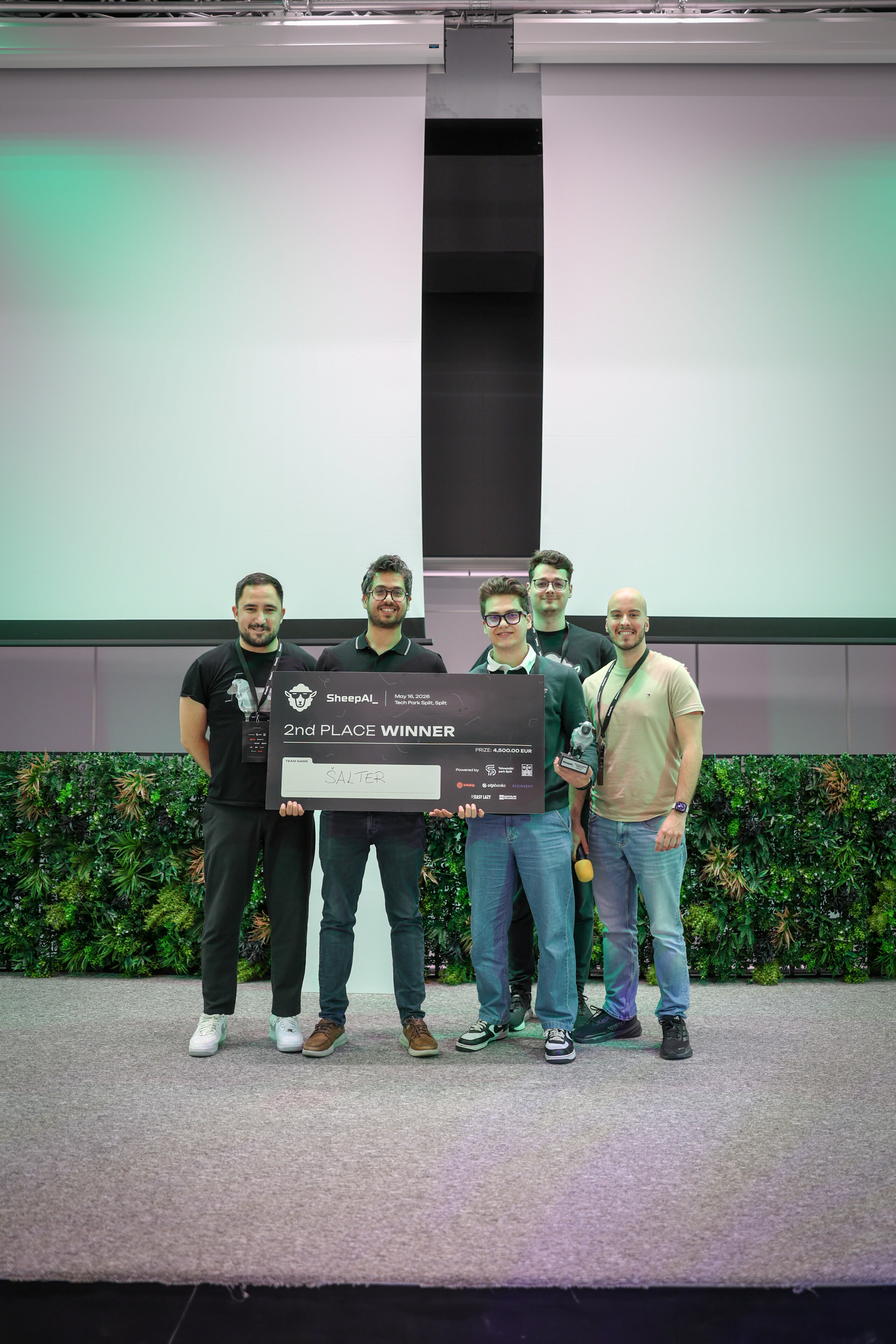
Second place went to team Šalter with a solution that allows citizens to report problems and ask administrative questions via WhatsApp. Their AI agent assists with communication with city services, processing reports of municipal issues and directing users to relevant information and procedures.

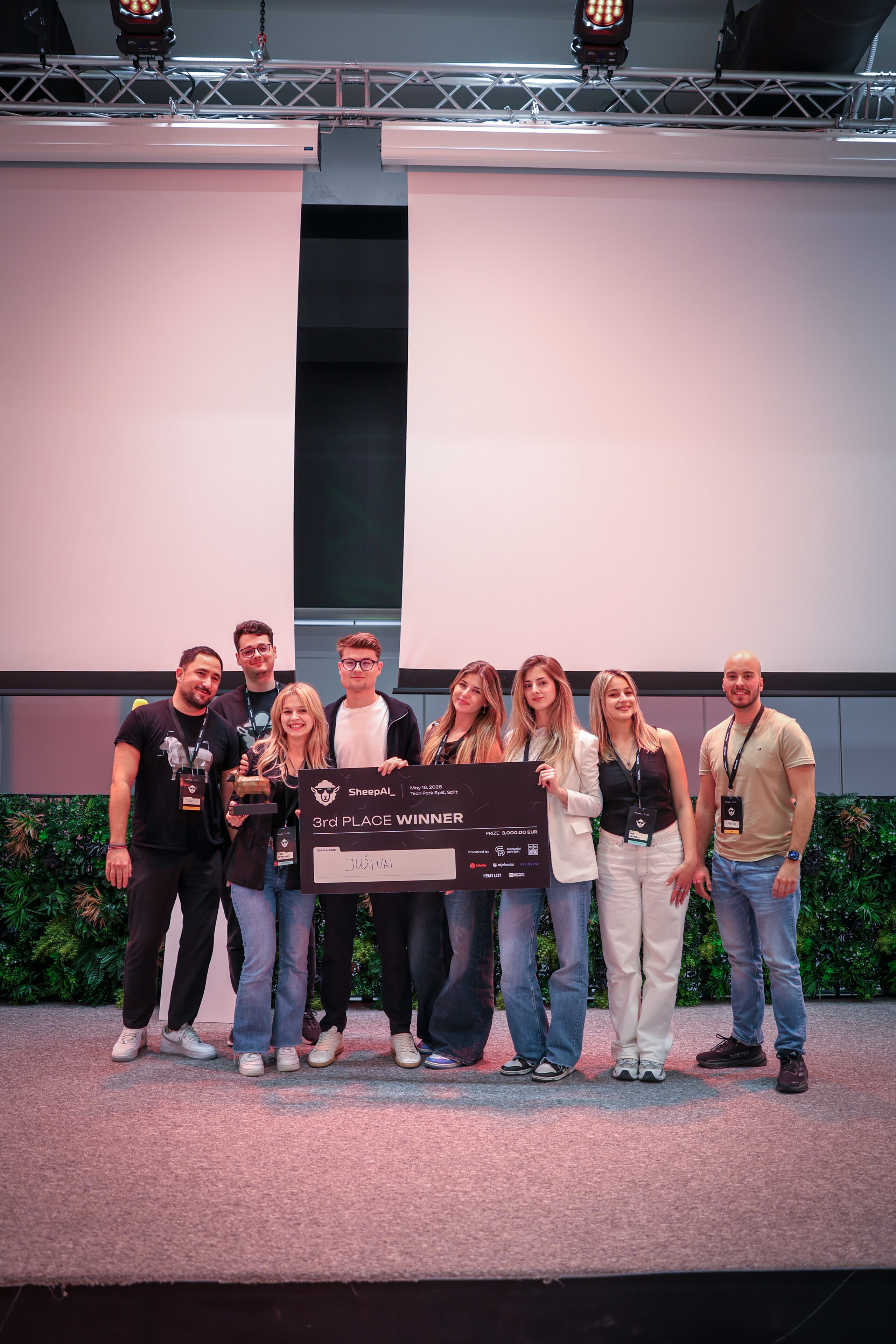
Third place went to team JužinaAI for Guardians of Split, a solution focused on managing tourist flows and reducing crowding in Split’s historic centre. The solution combines an interactive city map, recommendations for alternative routes and AR elements to offer tourists a better experience and give the city insight into the pressure on its most visited locations.

In addition to the winning teams, participants developed a number of other ideas during the hackathon linking artificial intelligence, urban challenges and practical digital services. The emphasis of the event was on learning by doing, networking and developing prototypes that can serve as inspiration for future smart city solutions.

This year’s SheepAI Hackathon showed strong interest in developing AI solutions in Split and further brought together students, developers, designers, startup and product teams, experts and enthusiasts around the city’s concrete challenges. The event was supported by numerous Croatian technology companies and partners, including Infobip, OTP banka, Reeinvent, EasyLazy, Digitalna Dalmacija and Serenity.

Meetup “3D Printing in Mechanical Engineering: From Idea to Finished Product” Held at Split Technology Park

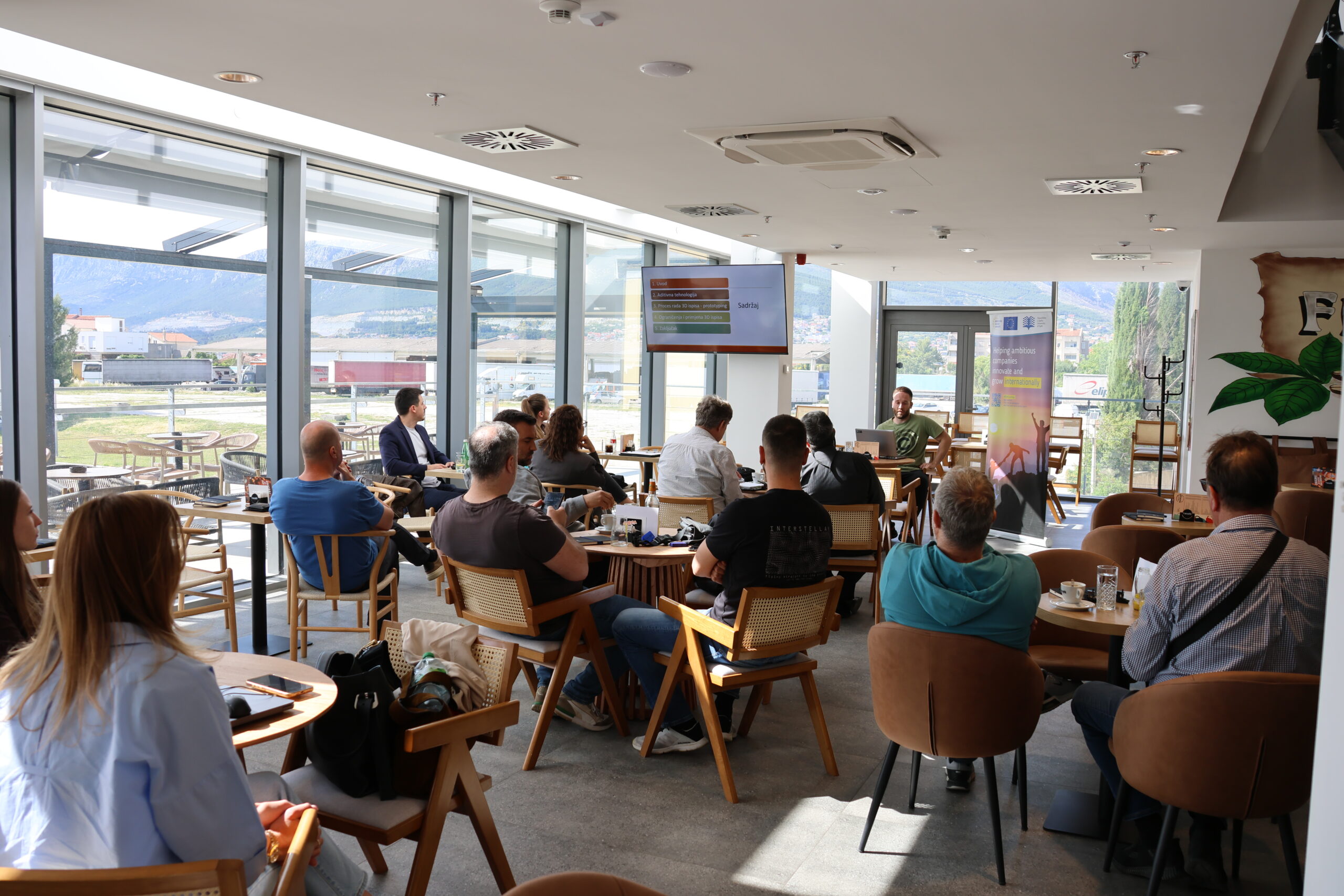
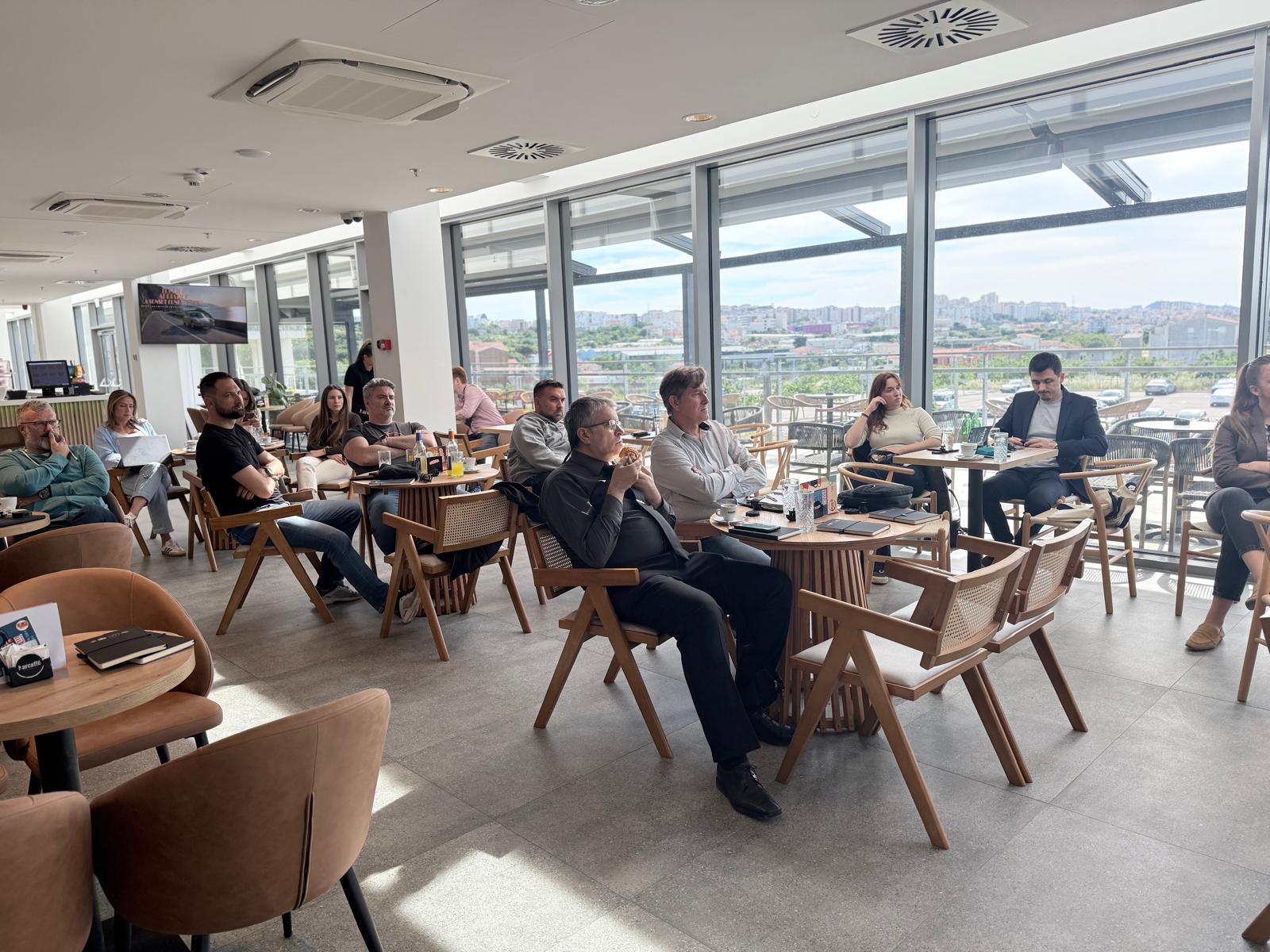
Split Technology Park hosted a meetup dedicated to 3D printing in mechanical engineering and the application of additive technologies in product development and manufacturing.

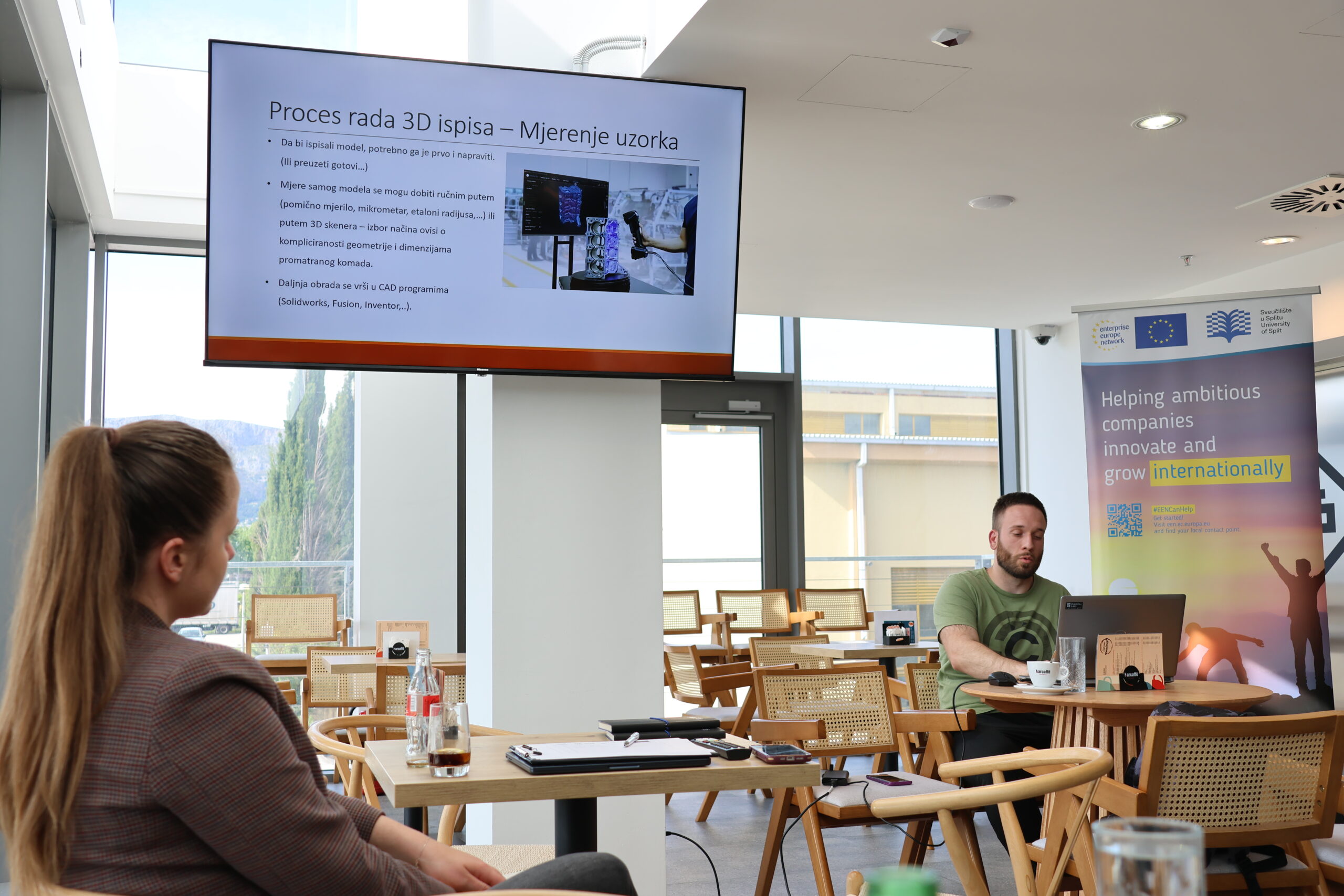
The lecture was given by Josip Varkaš, who walked participants through the 3D printing process – from measuring and modelling a part to preparing it for printing and producing the finished product. Using practical examples, he presented the most common 3D printing technologies and explained their capabilities, advantages and limitations in different applications.

Particular emphasis was placed on the importance of careful model preparation and choosing the right technology so that the final product is functional and fit for purpose.

After the lecture, participants continued the conversation and shared experiences on the use of 3D technologies in mechanical engineering and other fields.

We thank Josip Varkaš for an interesting and informative lecture, and all participants for coming and taking part.